Blog
Groin Pain in Athletes: From Evaluation to Return to Sport
Groin pain is not one specific injury. Understanding what is driving the symptoms and rebuilding the demands of sport are key parts of a successful return-to-sport plan.
Groin pain is not one specific injury. Learn how evaluation, strength testing, progressive loading, and sport-specific rehab can help guide an athlete's return to sport.

Why Consistency in Testing Parameters Matters
Small changes in joint position, stabilization, equipment placement, and instructions can change testing results, even when the athlete’s physical capacity has not changed.
Small changes in testing setup can change the result. Learn why consistent positioning, stabilization, equipment placement, and instructions matter in objective testing.

Rotator Cuff Shoulder Pain: Why Your MRI Does Not Tell the Whole Story
Shoulder pain is about more than what shows up on imaging. Learn why strength, function, workload, confidence, and your individual goals matter when building a rehabilitation plan.
An MRI is only one piece of the shoulder pain puzzle. Learn why strength, function, workload, and confidence matter when treating rotator cuff related shoulder pain.
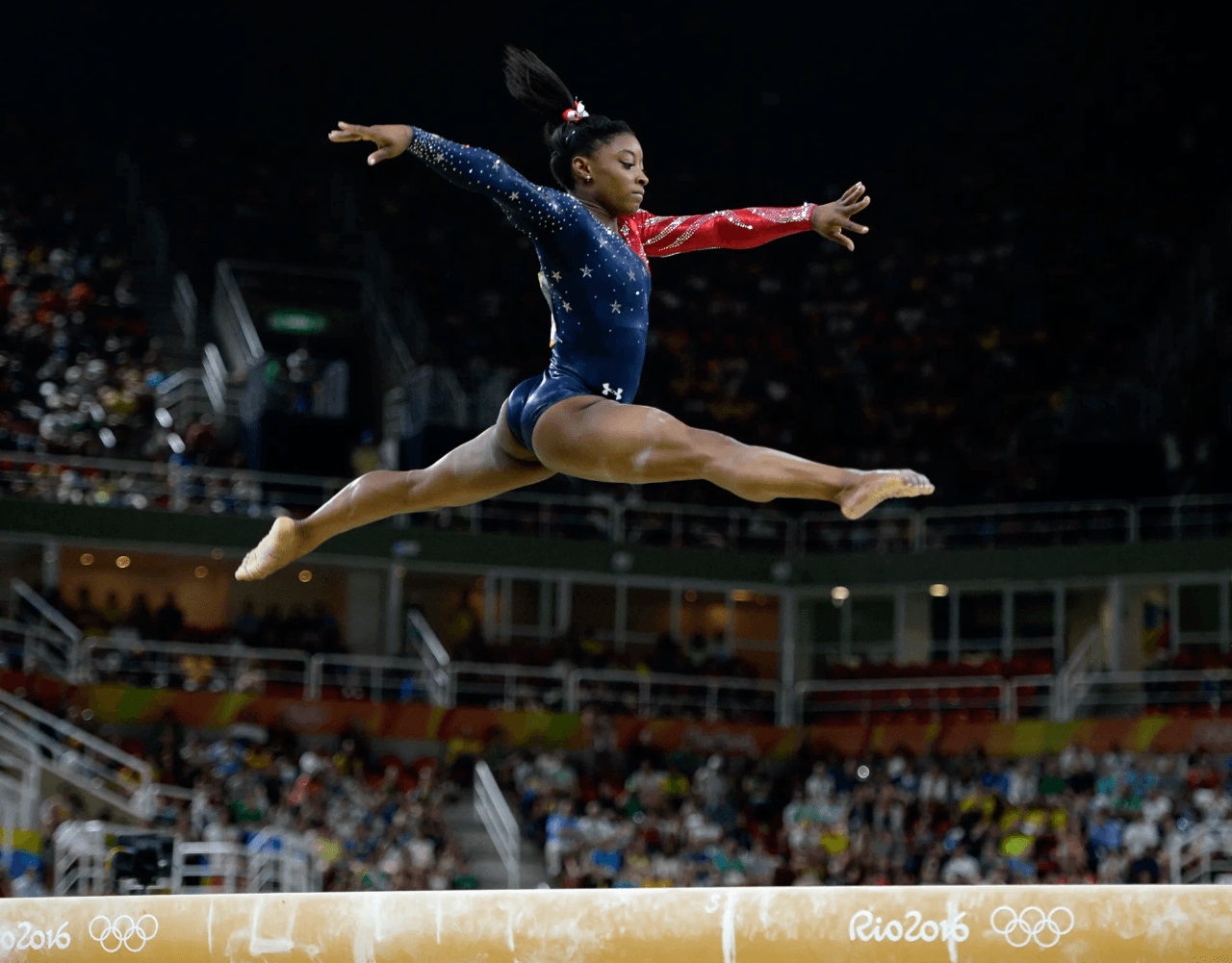
Beyond Flexibility: Why Gymnasts Need Strength to Control Their Range
Flexibility gives gymnasts access to impressive positions. Strength and control are what make those positions usable.
Flexibility helps gymnasts reach demanding positions, but strength and control help make that range usable during skills, landings, and training.
What Should I Do in the 4–6 Weeks Before ACL Surgery?
How to use the weeks before ACL reconstruction to calm the knee, rebuild strength, and establish a strong starting point for post-surgery rehab.
ACL surgery scheduled? Learn how to use the 4–6 weeks before reconstruction to calm your knee, build strength, and prepare for the rehab ahead.
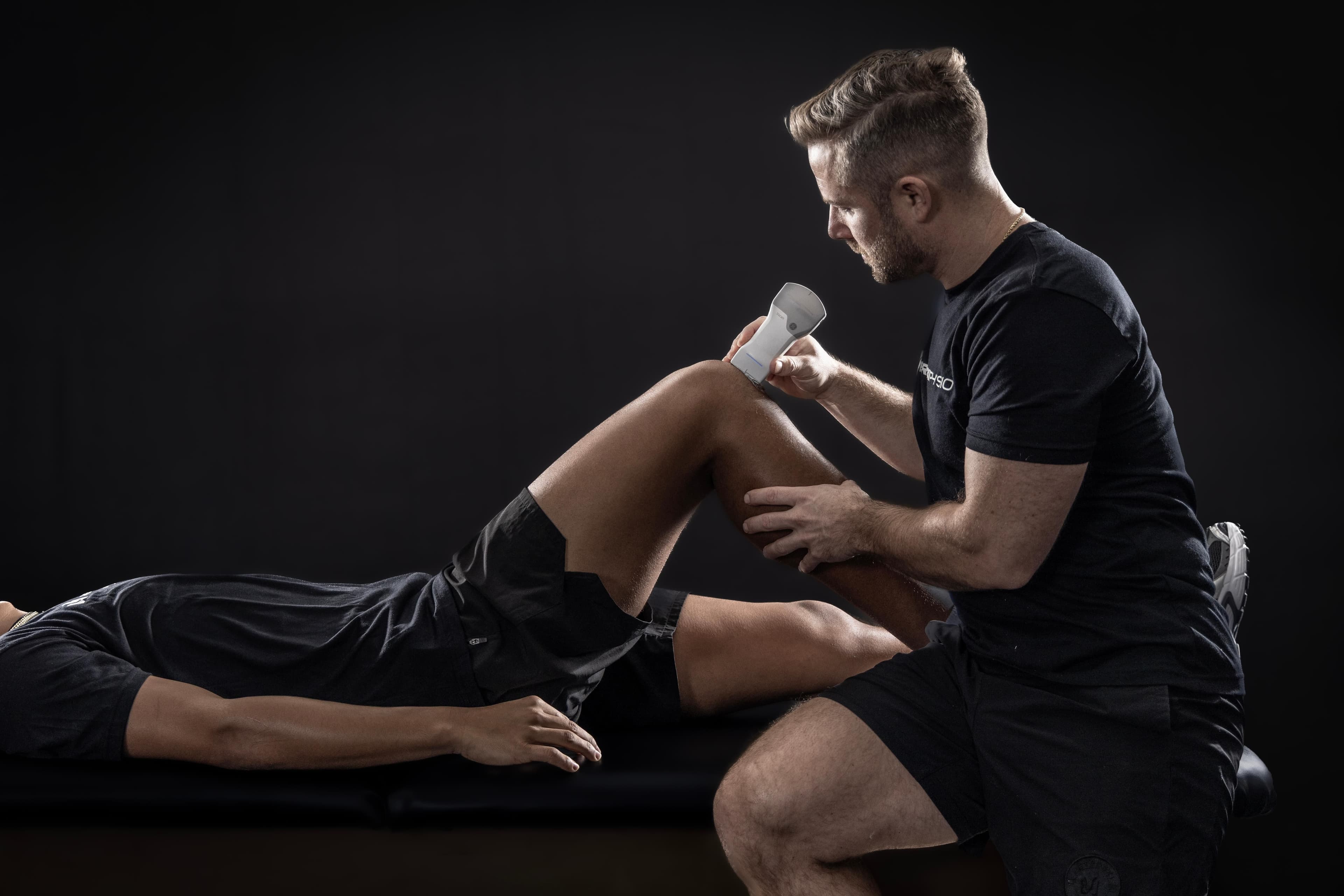
Why Do We Test the “Good” Leg Before ACL Surgery?
Testing your uninvolved leg before ACL surgery gives your physical therapist a baseline that can help measure your progress later in rehabilitation.
Why test your “good” leg before ACL surgery? Pre-surgery strength and performance testing can provide a valuable baseline for measuring your progress later in rehab.
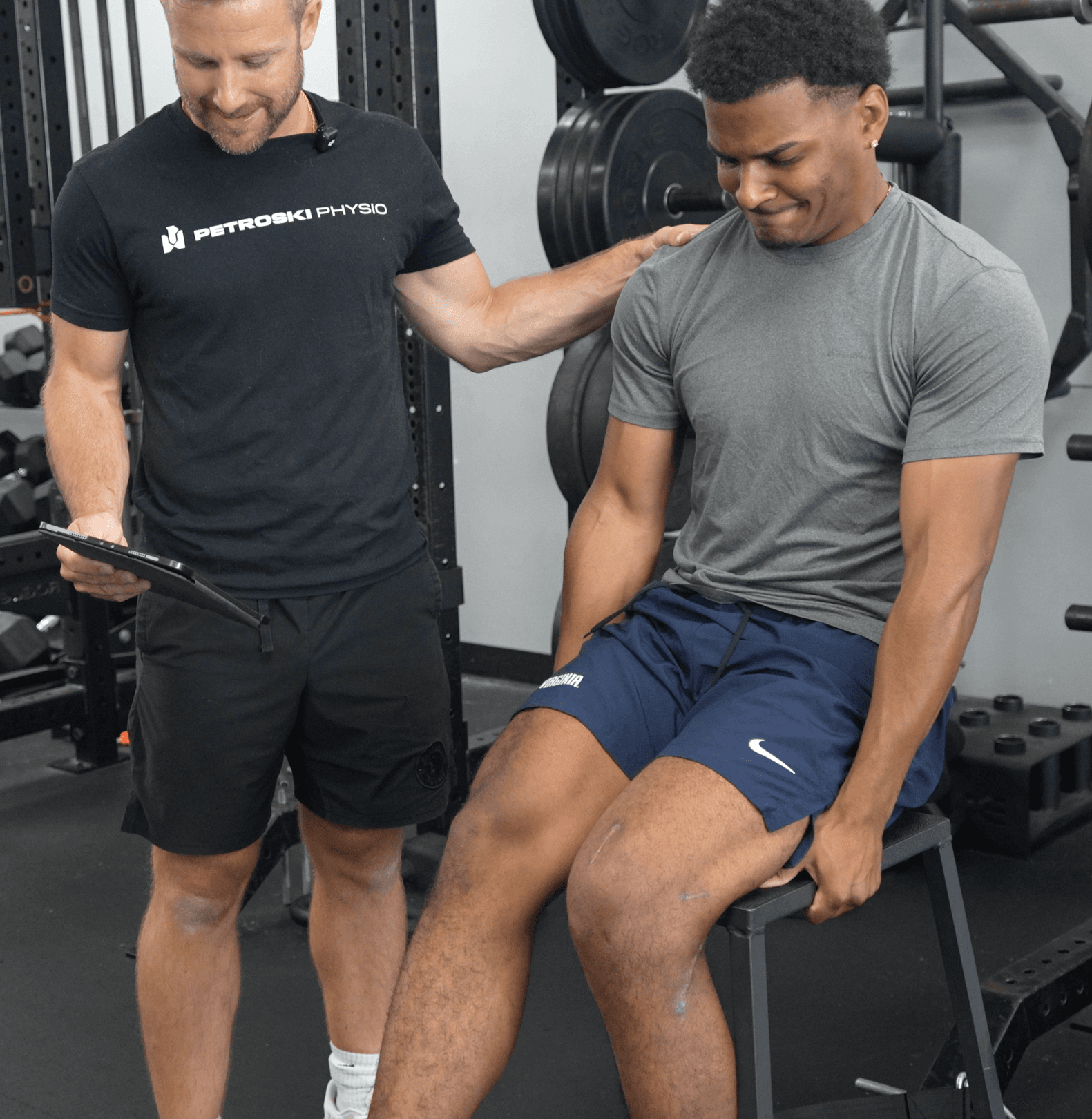
Why Does Your Quad Feel So Weak After an ACL Tear?
Why your quadriceps can feel weak after an ACL injury and why rebuilding quad function often starts before surgery.
After an ACL tear, your quad may feel weak or difficult to activate. Learn why this happens and why rebuilding quad function can start before surgery.
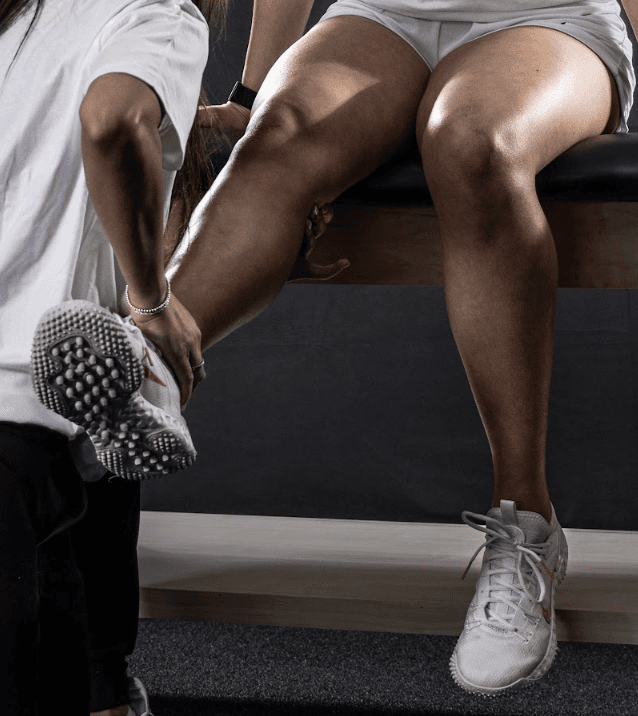
Why Full Knee Extension Matters Before ACL Surgery
Getting your knee completely straight is a key early goal when preparing for ACL reconstruction.
Getting your knee fully straight before ACL surgery is a key prehab goal. Learn how extension affects walking, quadriceps function, and early rehabilitation.
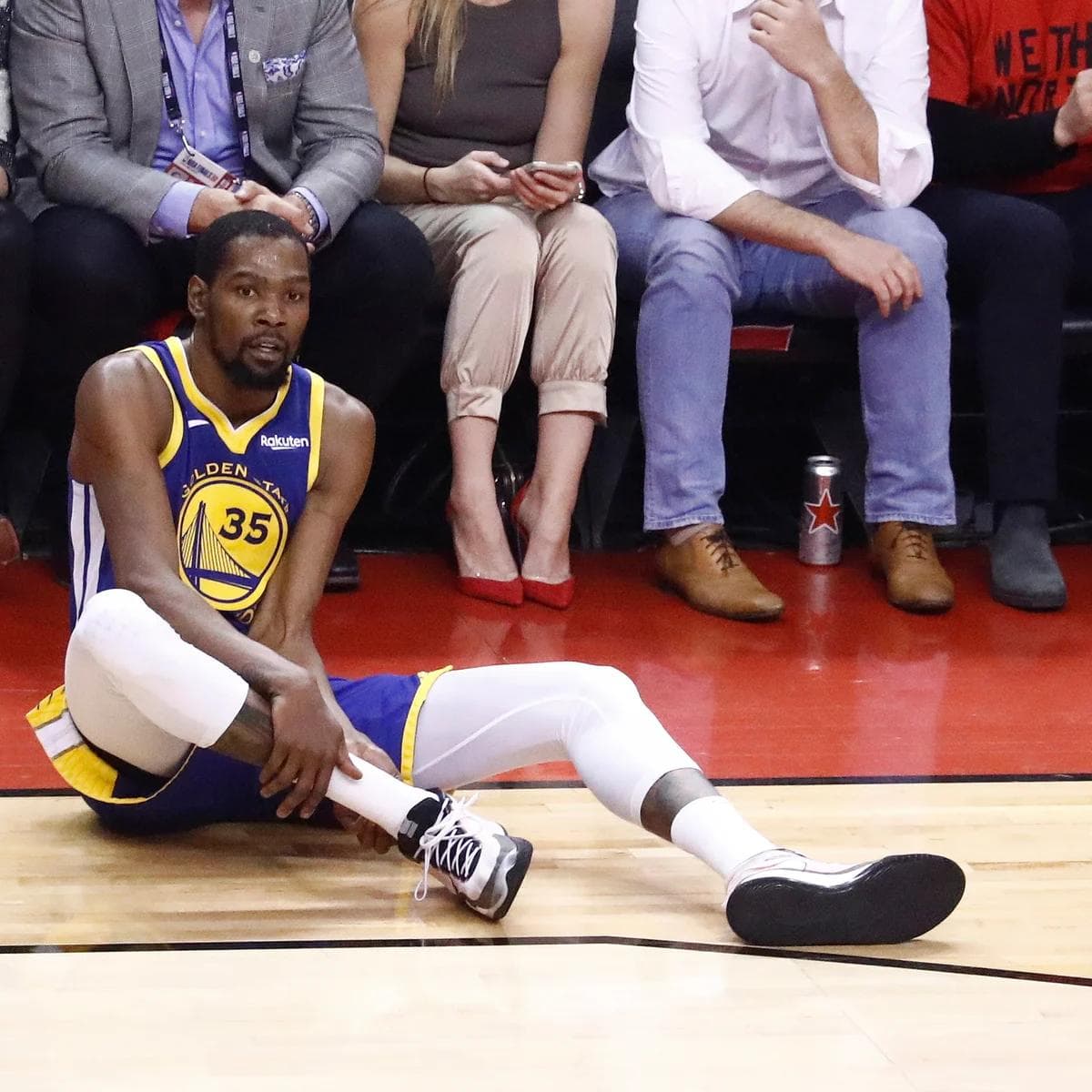
Achilles Tendon Ruptures in the NBA: Why They Happen
Why Achilles ruptures can change an NBA career, what places the tendon at risk, and whether high-top basketball shoes actually provide meaningful protection.
Why do Achilles ruptures happen in NBA players? Explore tendon loading, career outcomes, footwear, traction, and the physical qualities athletes need to reduce risk.