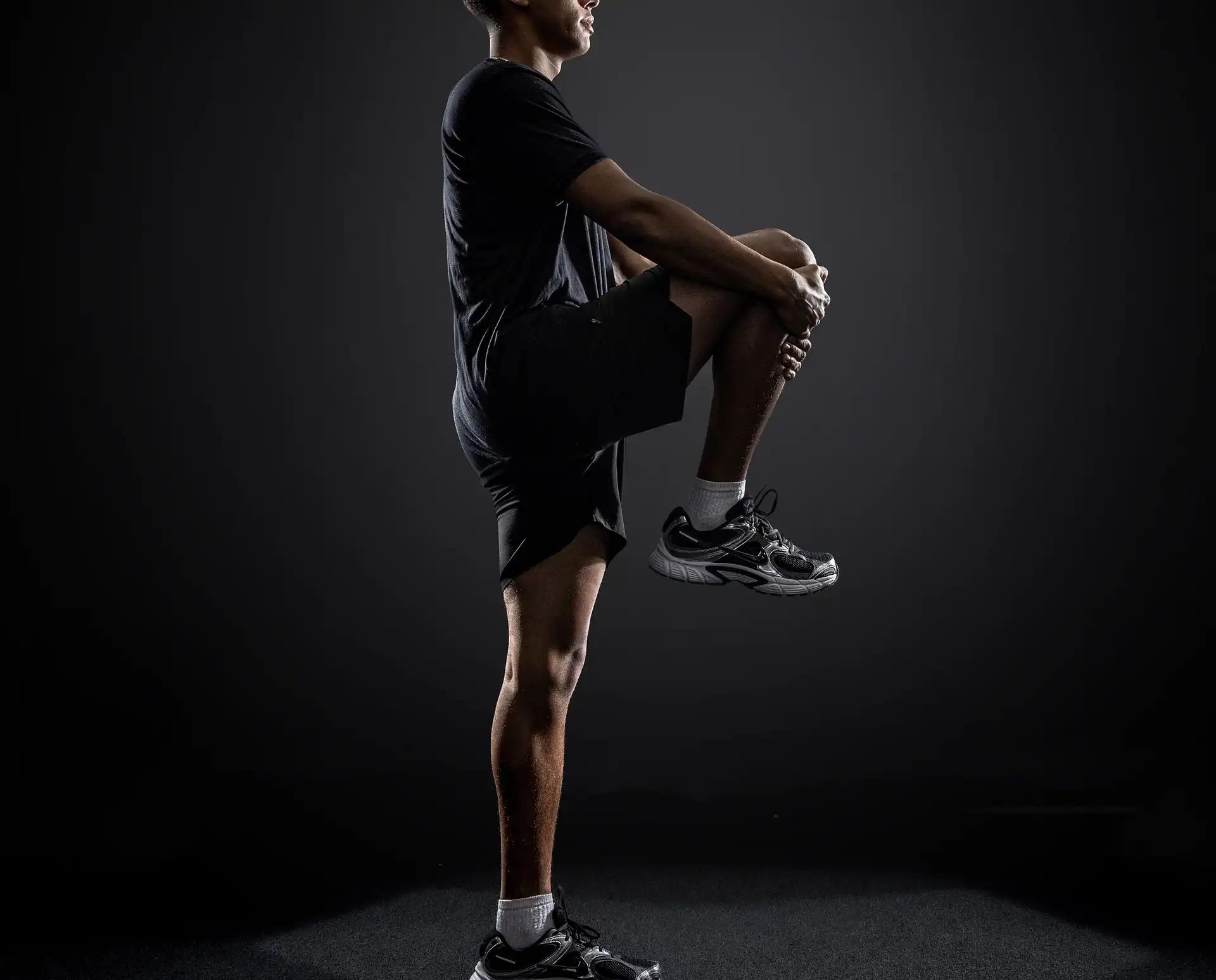
Tommy John Revision: Returning to Division I Baseball
He came to us facing one of baseball’s toughest recoveries — and returned to the mound with rebuilt strength, refined mechanics, and a deeper understanding of how to protect his arm while performing at an elite level.
Nick Petroski, DPT, Petroski Physio
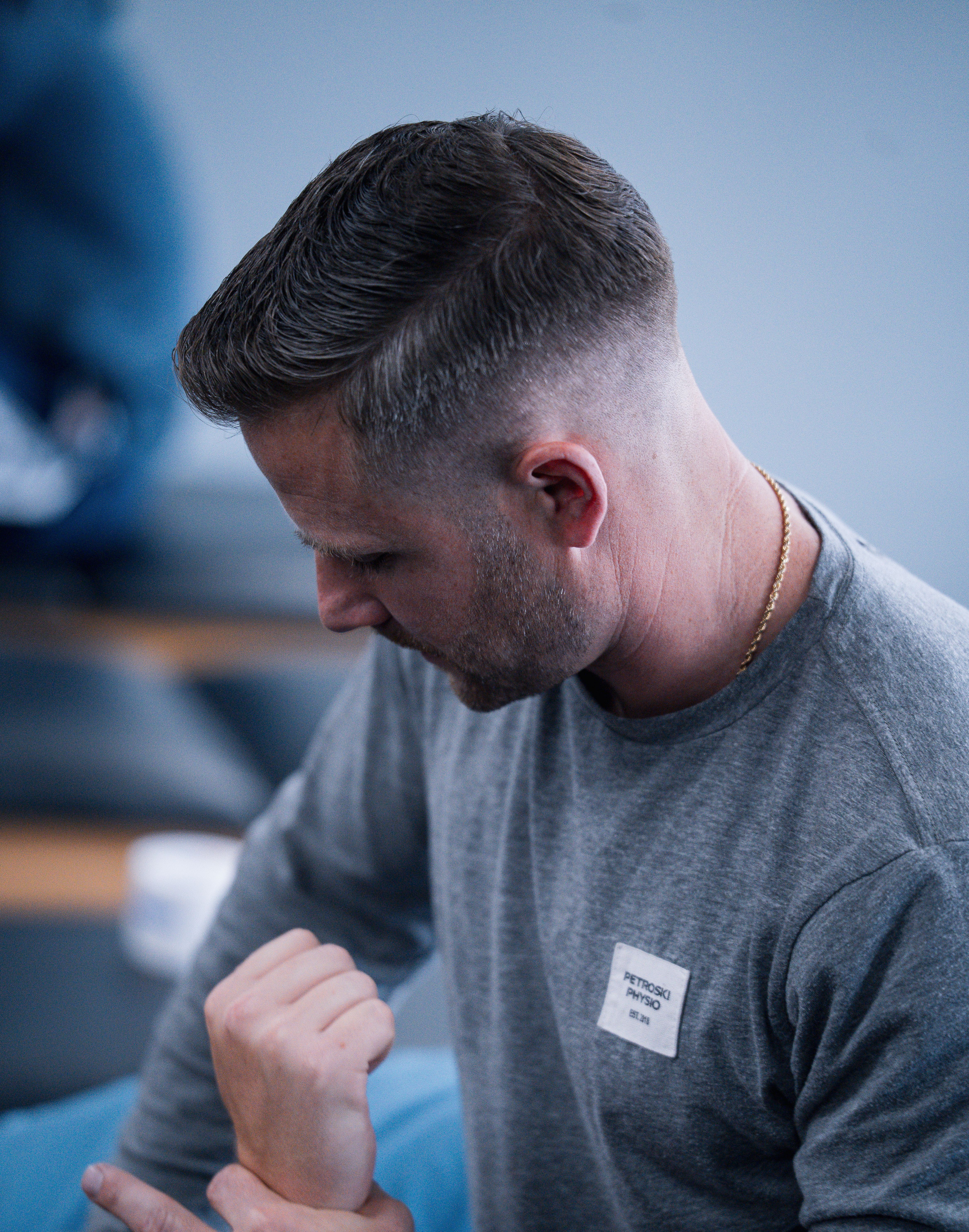
Meet the Athlete
Robert Kelly is a middle infielder committed to Monmouth University, preparing to compete at the Division I level. His position demands frequent high-velocity throws from multiple arm slots, often under fatigue, time pressure, and imperfect footwork. Durability, confidence, and repeatable arm performance were essential for his return.

Robert Kelly
MLB Player
What was the challenge?
Robert’s injury came during what felt like a routine moment. As a senior in high school, he made a standard throw across the field and immediately felt and heard a pop in his elbow. He knew something was wrong.
After further evaluation and imaging, he underwent a revision Tommy John procedure, TJ3, performed by Dr. Dodson. Revision UCL surgeries are more complex than first-time procedures, with tighter margins for error and less predictable outcomes.
Beyond healing the ligament, Robert faced several key challenges:
Significant elbow stiffness from prolonged bracing
Loss of throwing confidence following multiple surgeries
The need to rebuild arm strength, power, and tolerance for real game demands
Preparing his arm for the transition to Division I baseball, not just return to activity
He needed more than a standard rehab timeline. He needed a performance-driven plan that respected both tissue healing and the realities of his position.
What was our process?
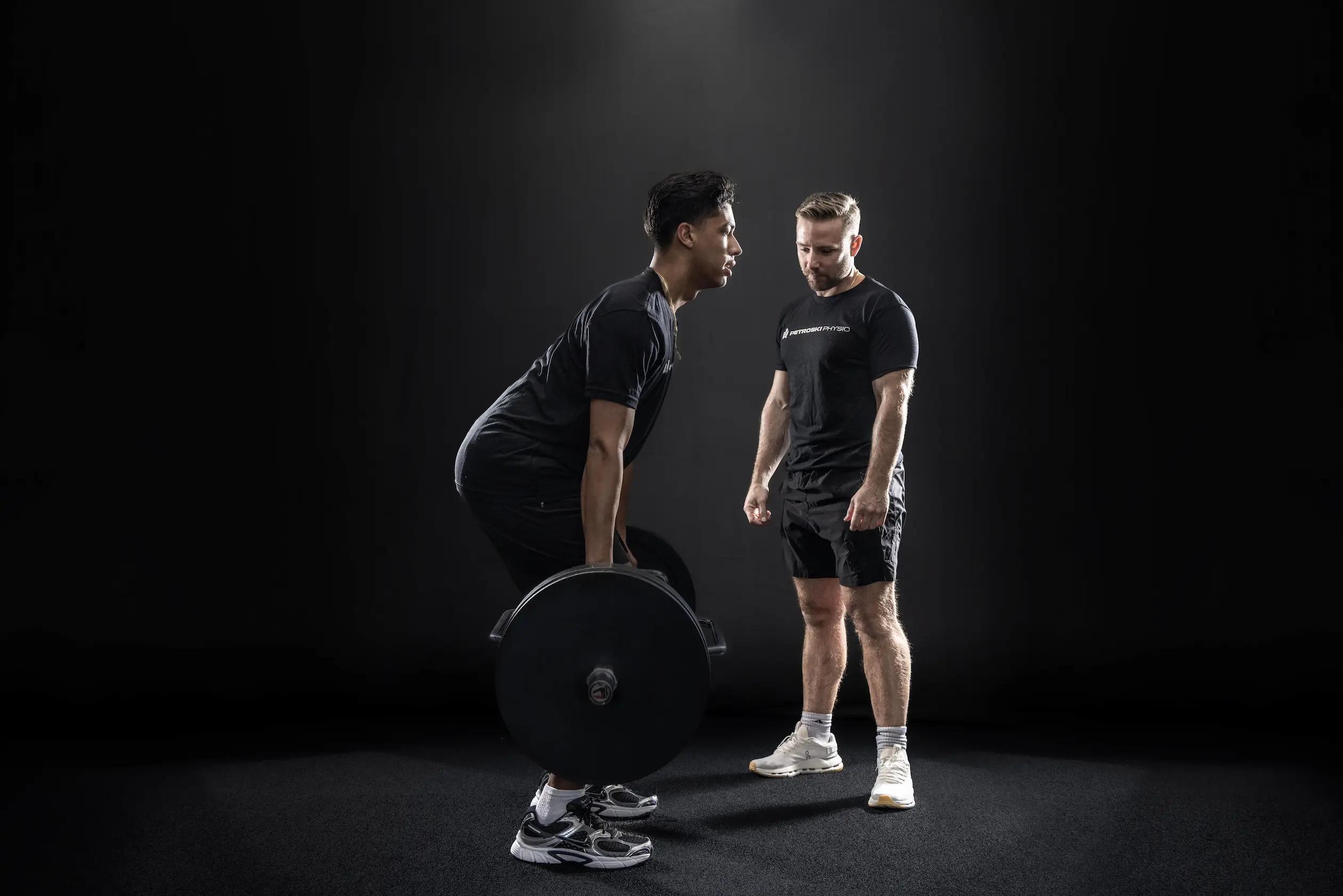
We treated Robert’s rehab as a full performance rebuild, grounded in objective data and guided by baseball-specific demands.
Step 1: Restore Motion and Establish Control
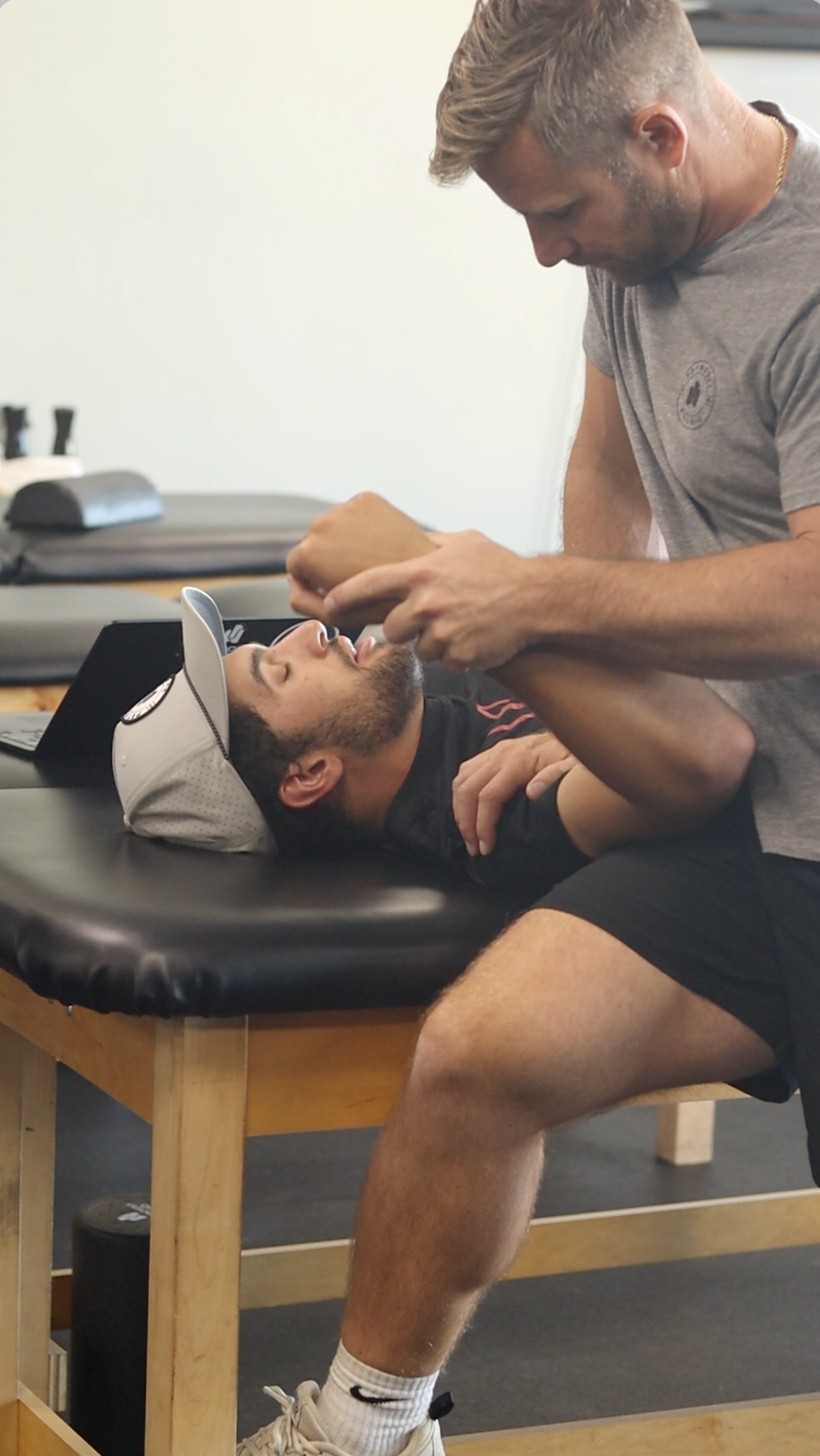
Early on, the primary limitation was not strength but stiffness. His elbow had been immobilized longer than ideal, limiting range of motion and joint quality.
We focused on:
Daily restoration of elbow range of motion
Addressing soft tissue and joint restrictions
Pairing mobility work with foundational strength to maintain control
We did not rush this phase. Research consistently shows that return-to-throwing must be criteria-based, requiring full, pain-free range of motion and tolerance to progressive loading before advancing.
Step 2: Rebuild Strength, Capacity, and Power
Once full range of motion was established, we shifted to the phase that most strongly influences long-term outcomes.
Rehab emphasized:
Heavy, progressive strength loading
Building capacity through the shoulder, scapula, forearm, and trunk
Reducing stress concentration at the elbow by improving whole-chain contribution
As strength returned, we layered in explosive plyometrics to restore intent, elasticity, and arm speed. From there, we began bridging him toward real baseball demands, recognizing that infield throws are rarely controlled or repeatable.
Step 3: Data-Driven Return to Throwing
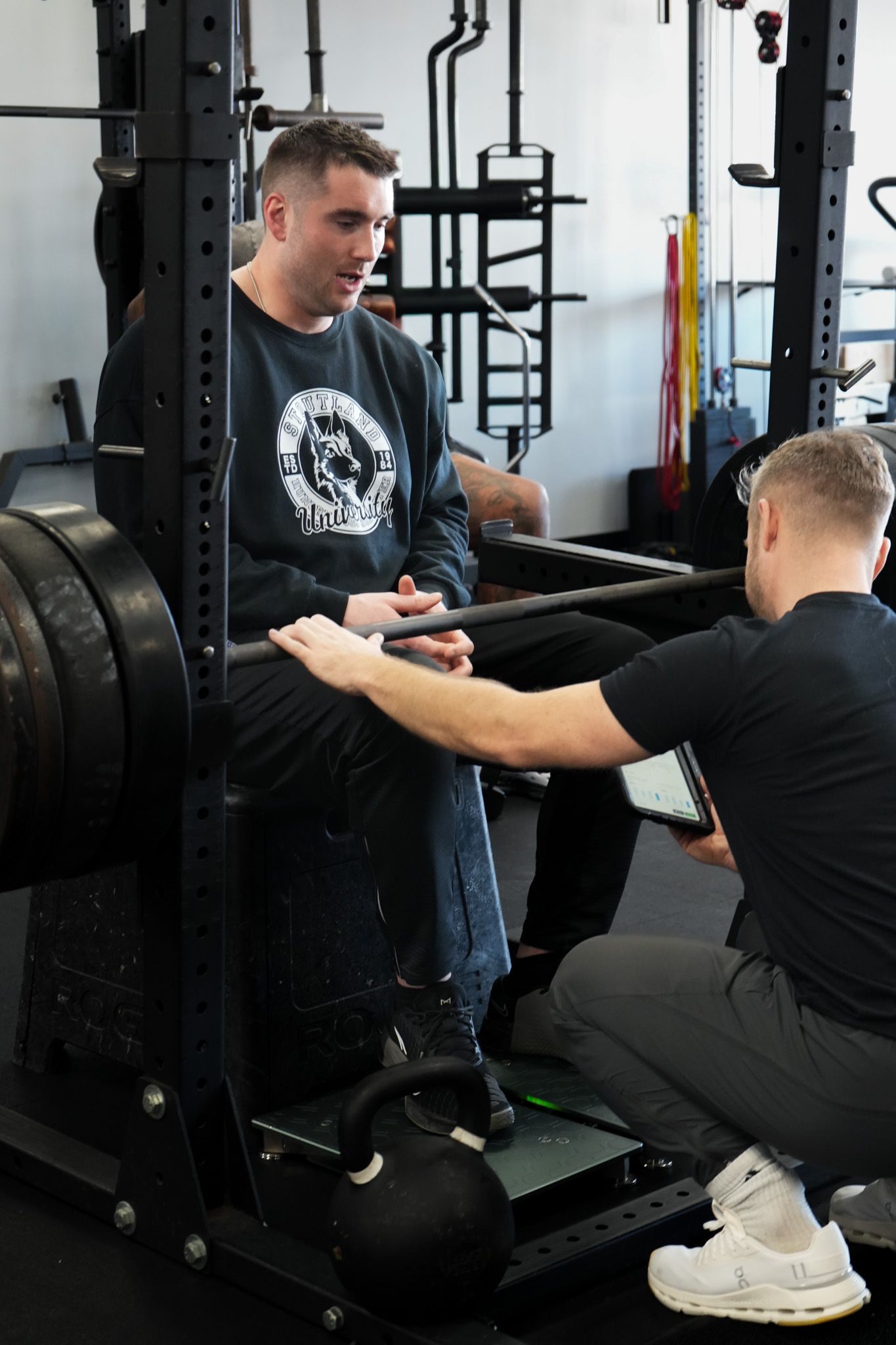
Throughout the process, decisions were guided by objective testing rather than guesswork.
We monitored:
Baseline and repeat strength measures using VALD
Side-to-side symmetry and progression trends
Arm speed development using velocity-based training
When appropriate, Robert transitioned into a structured return-to-throwing program informed by current interval-throwing research. Distances, volumes, soreness rules, and workload progression were carefully managed to respect tissue adaptation, especially given the demands of a revision surgery.
Where is he now?
Robert completed his summer rehab pain-free and transitioned successfully into baseball-specific work. He played second base throughout the fall season at Monmouth University and continues his throwing program through winter break.
As his arm continues to demonstrate tolerance and consistency, his goal is to return to shortstop, fully prepared for the demands of Division I competition.
This process was not about checking rehab boxes. It was about rebuilding a durable, confident athlete capable of handling the chaos of real baseball.
We create individualized recovery plans after injuries like ACL tears, shoulder surgeries, and muscle strains to help you safely return to sport and daily life.
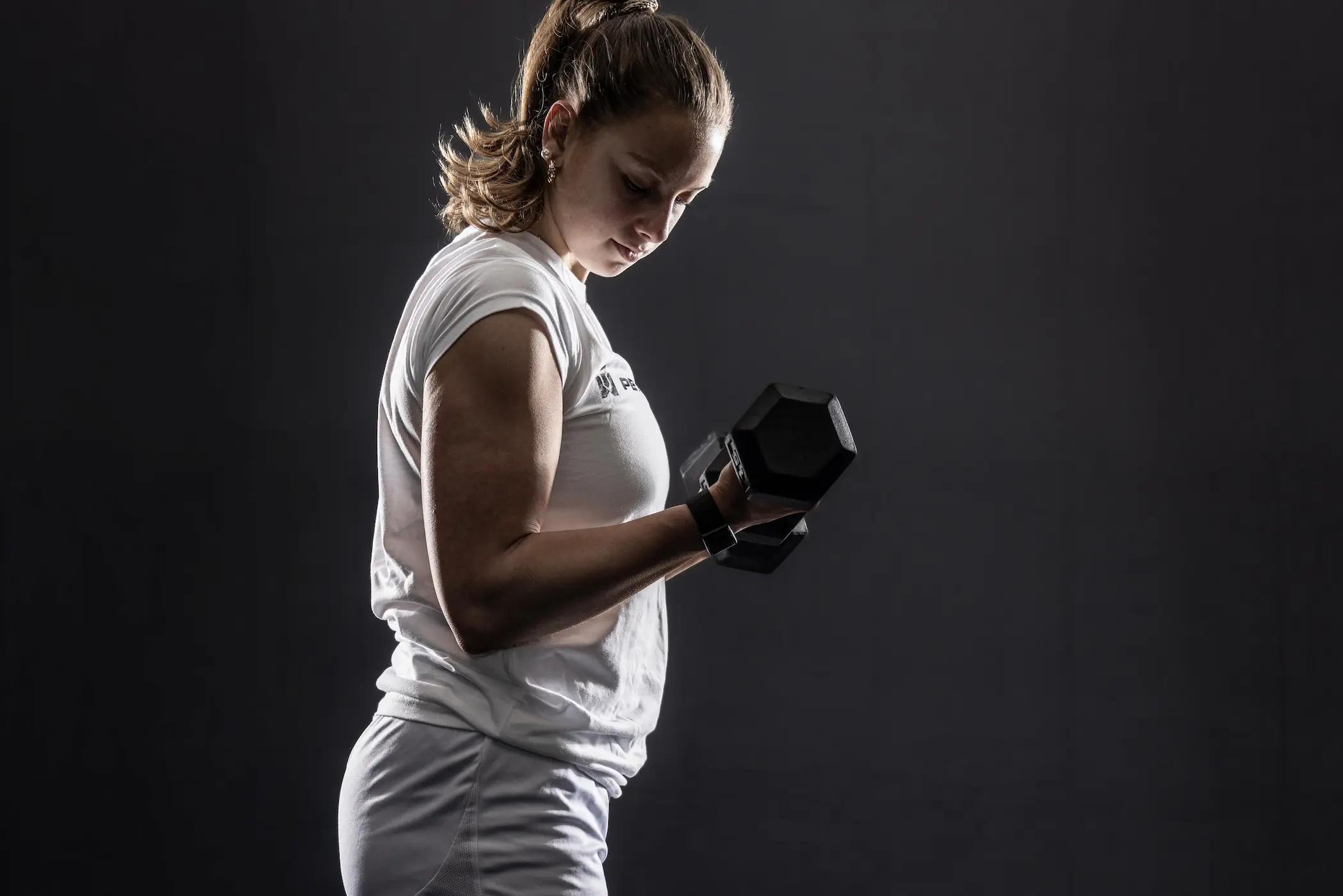
We help athletes rebuild strength and movement after common injuries like rotator cuff issues, tendinitis, and ligament sprains so you can perform with confidence again.
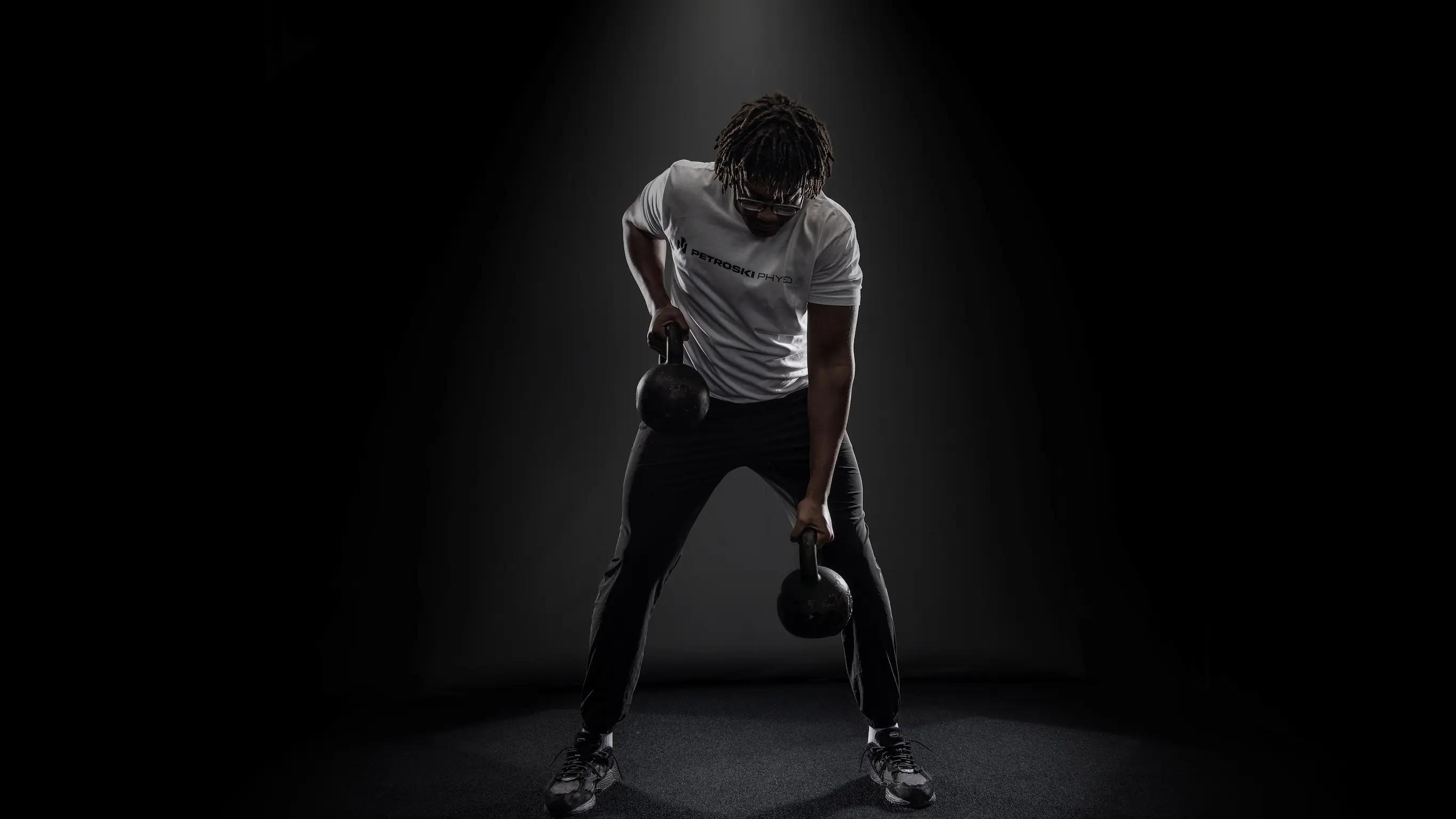
We guide you through every phase of recovery — from post-surgery rehab to performance training — so you don’t just return, you come back stronger.
Recovery Stories
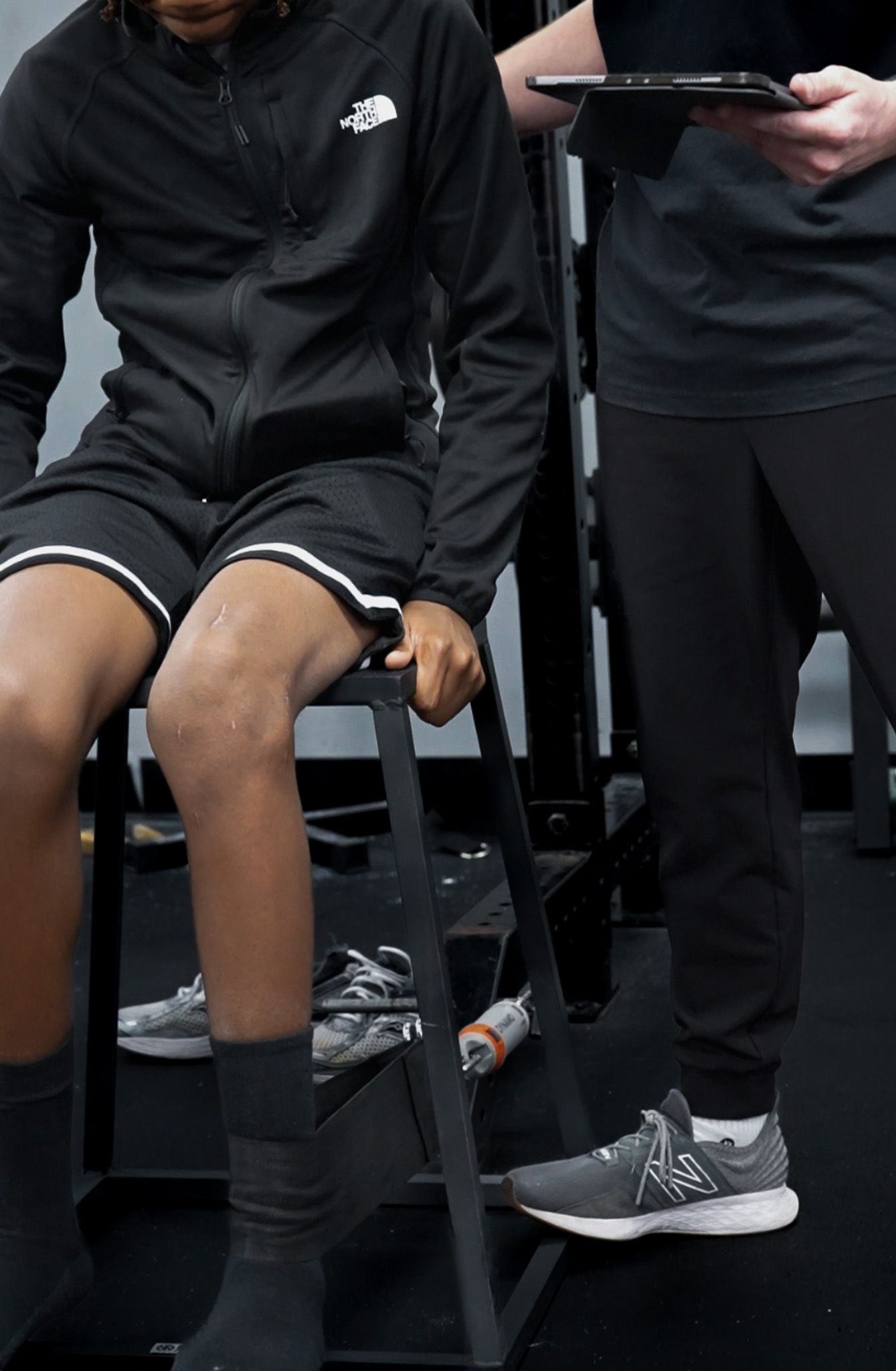
Chronic Patellar Tendinopathy: Restoring NBA-Level Knee Capacity
Rebuilding tendon capacity to restore performance from chronic knee pain.
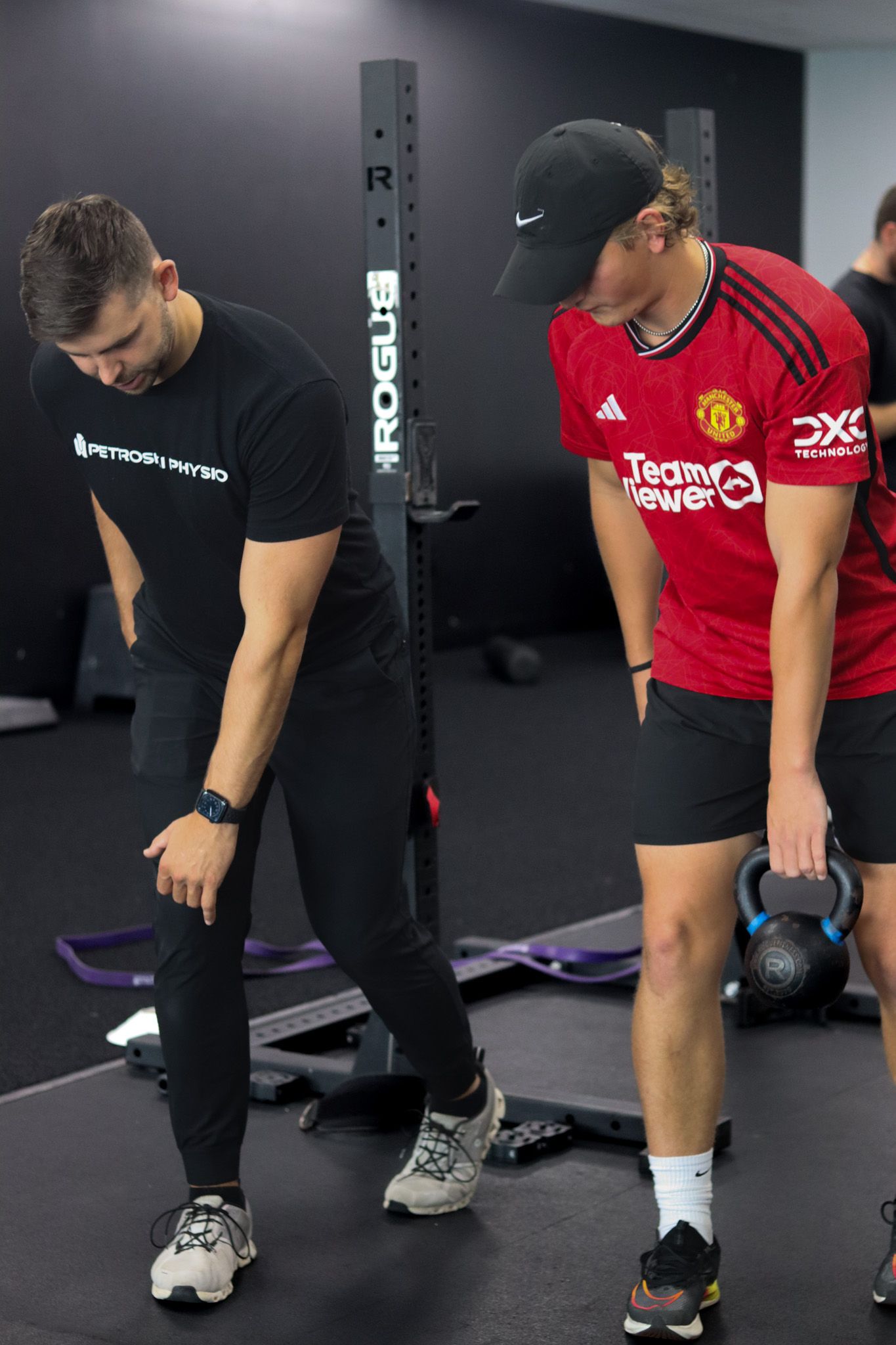
Patellar Tendinopathy: Returning for a Critical Senior Season
Stronger for recruitment after overcoming patellar tendon pain.
Chronic Patellar Tendinopathy: Restoring NBA-Level Knee Capacity
Rebuilding tendon capacity to restore performance from chronic knee pain.
Patellar Tendinopathy: Returning for a Critical Senior Season
Stronger for recruitment after overcoming patellar tendon pain.
Rehab, different.
Not a clinic. Not a gym.
A place built for progress.
A team built for performance.
A culture built for you.