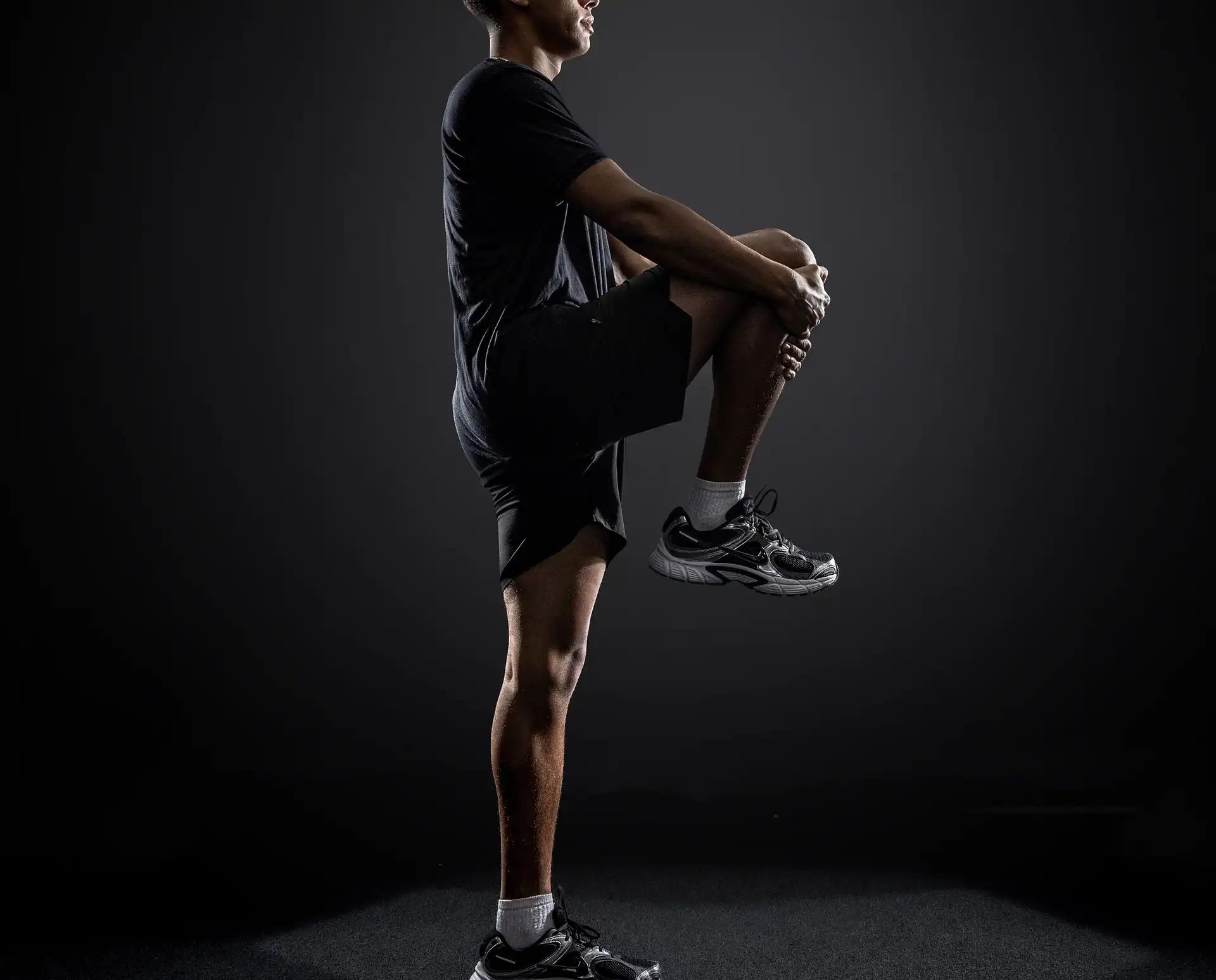
Plantar Fasciitis: A Competitive Runner’s Return to Full Training
Morning heel pain progressed into performance-limiting plantar fasciitis until objective testing identified key force and strength deficits. Progressive loading and elastic training restored running capacity and eliminated pain.
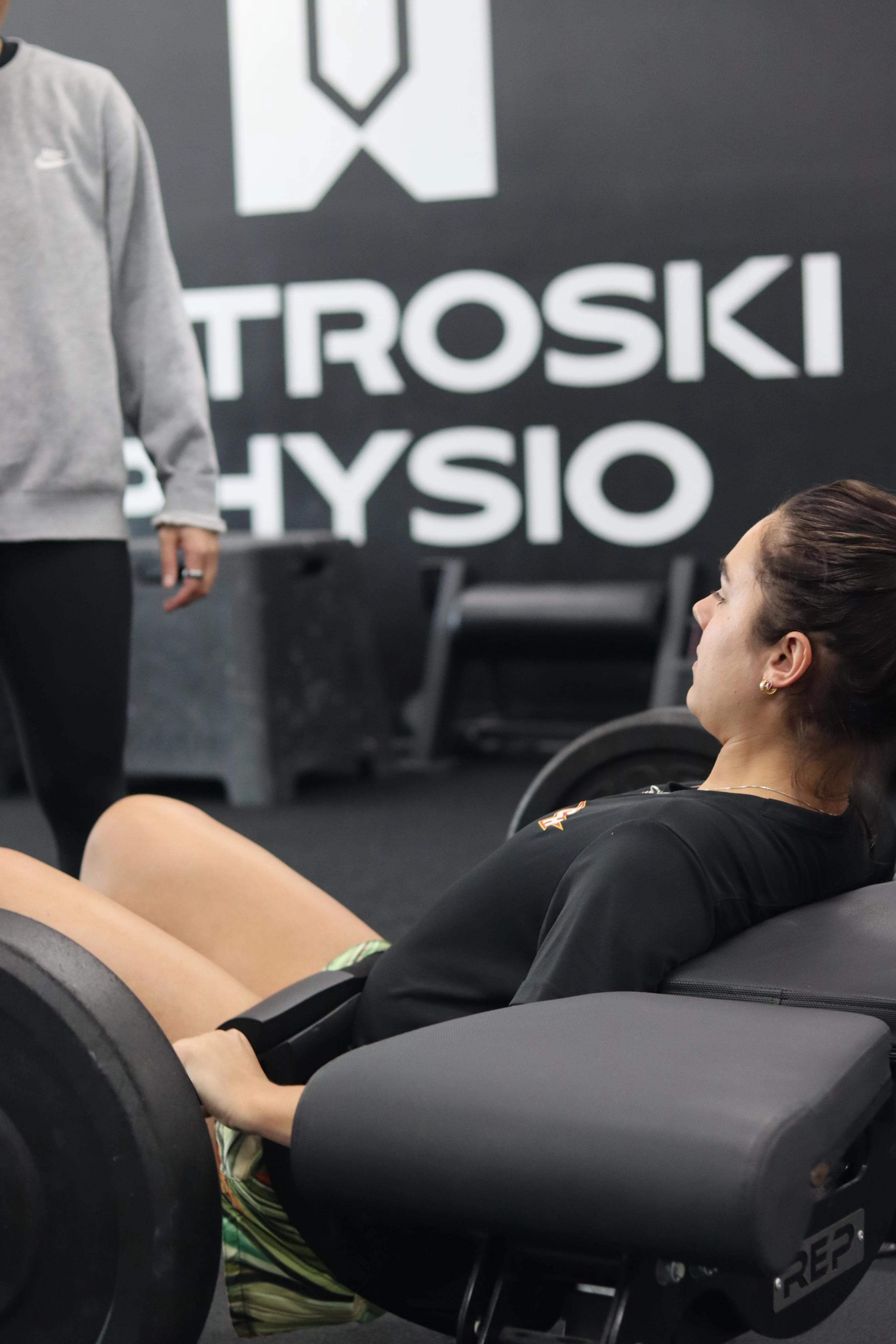
Nick Petroski, DPT, Petroski Physio
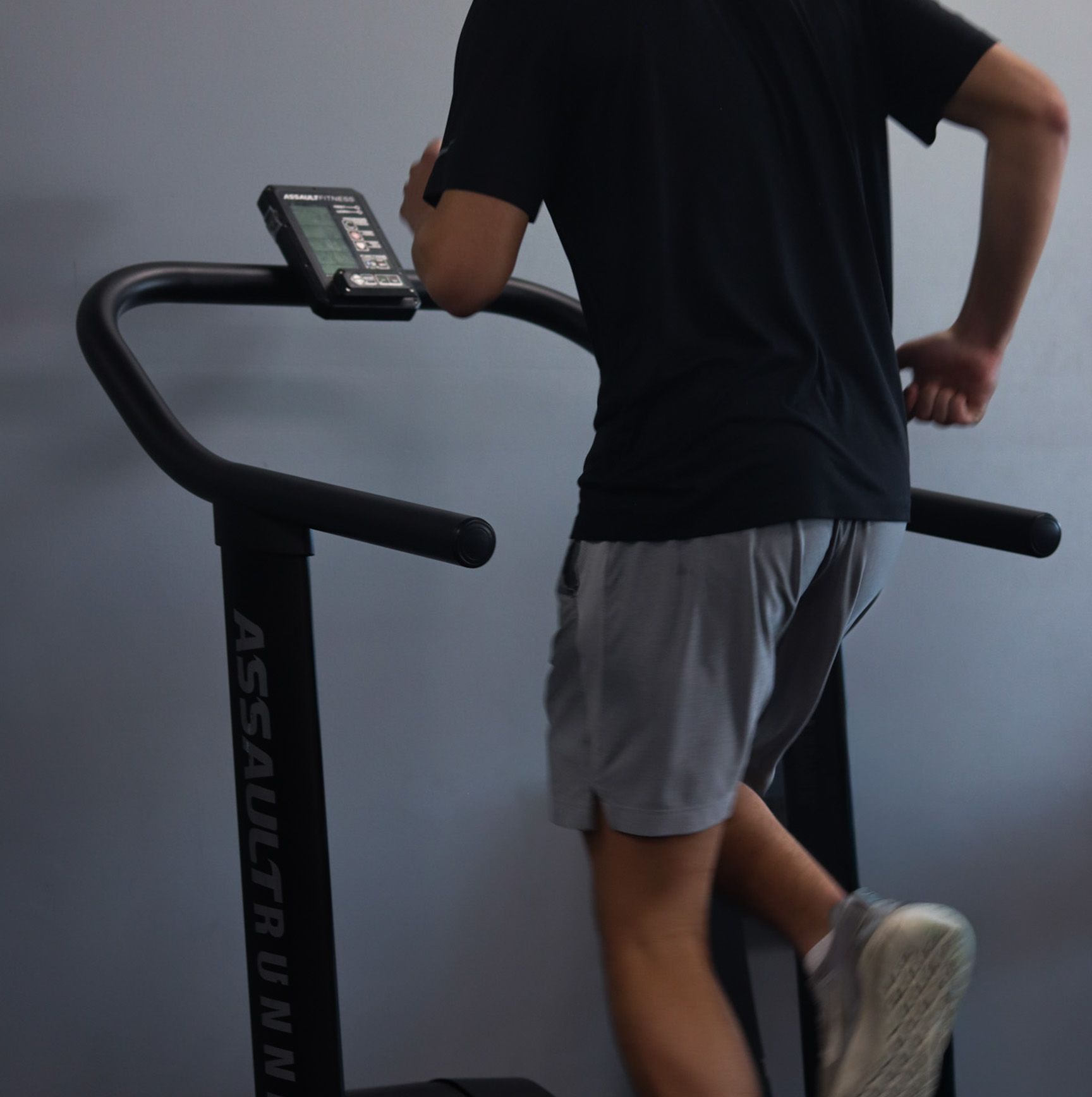
Meet the Athlete
Our athlete is a competitive runner whose training demands high mileage, efficient force transfer, and consistent exposure to speed work, hills, and endurance-based loading. Running wasn’t just part of their routine — it was central to their performance and identity as an athlete.
What was the challenge?
The injury began the way plantar fasciitis often does: subtle heel pain first thing in the morning. A few stiff steps getting out of bed. Mild soreness at the start of a run that would seem to warm up after a mile — easy to ignore and easy to push through.
Over the following weeks, symptoms progressed. Tempo runs became uncomfortable, long runs felt impossible, and hills became increasingly painful. What once loosened after a warm-up began lingering for hours afterward.
For a competitive runner, plantar fasciitis isn’t just foot pain — it’s lost mileage, reduced speed, and growing uncertainty about performance.
They struggled with:
Progressive heel pain impacting running volume and intensity
Morning stiffness and increased tissue sensitivity
Reduced tolerance to speed work and hills
Decreased confidence in loading and push-off mechanics
When they arrived at Petroski Physio, it was clear that rest alone wouldn’t resolve the issue. The plantar fascia functions as an energy-transfer system working alongside the Achilles and calf complex, and symptoms often emerge when training demands exceed tissue capacity.
What was our process?
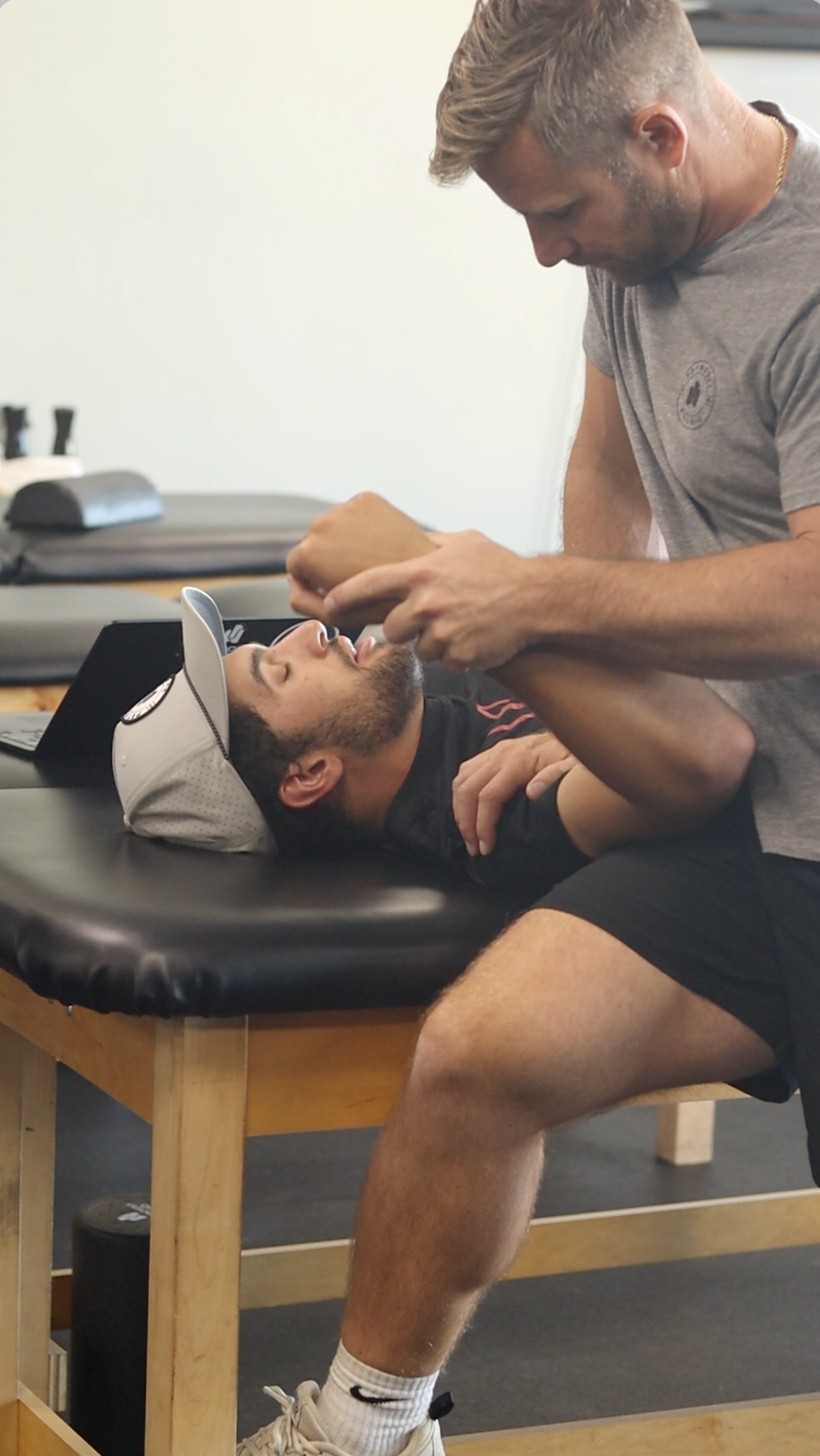
We began with a comprehensive objective assessment to identify underlying performance limitations and loading patterns.
Step 1: Assessment and Planning
We completed:
Intrinsic foot strength testing
Calf strength evaluation (bent-knee and straight-leg positions)
Ankle dorsiflexion range assessment
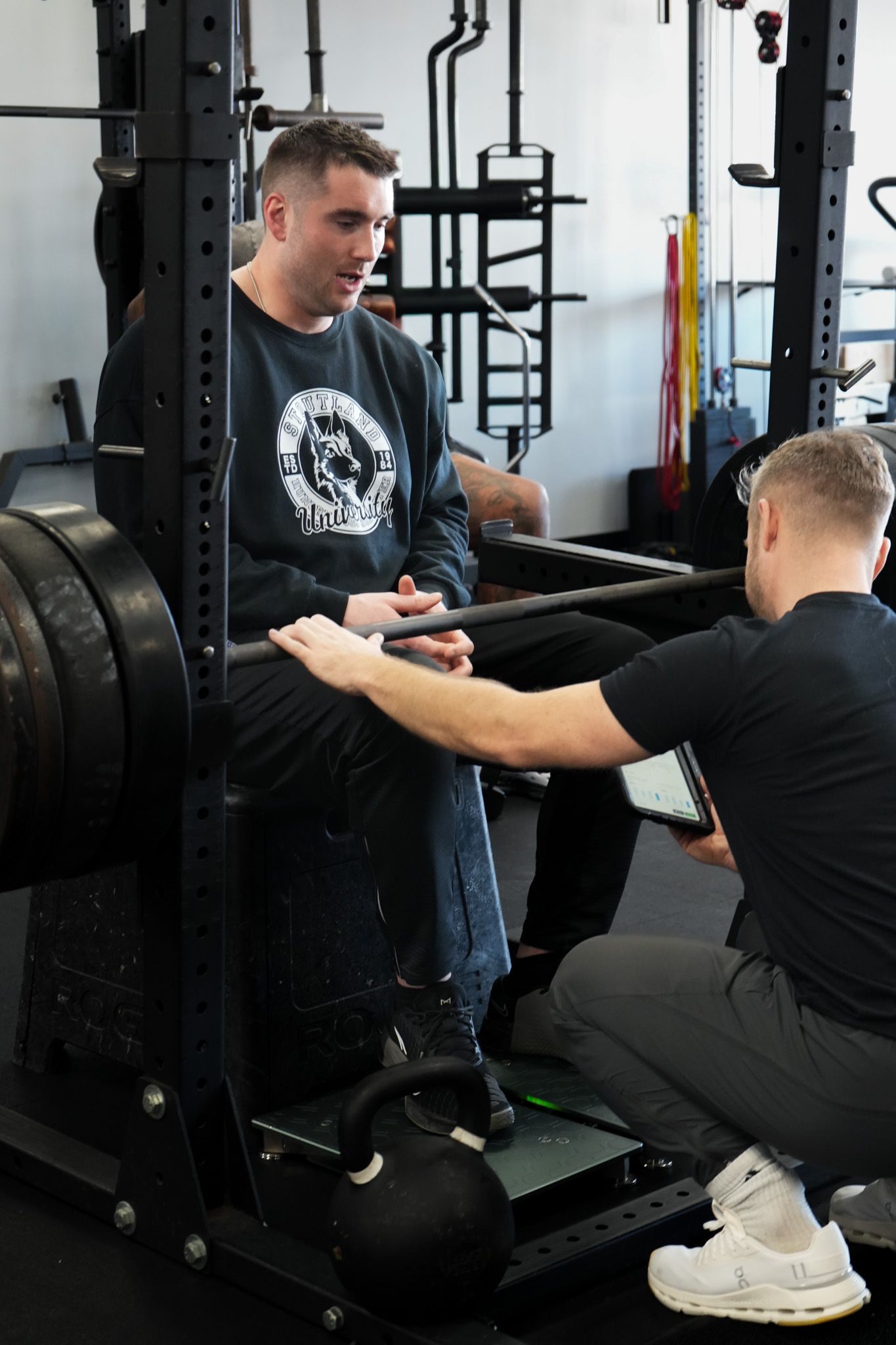
Force plate analysis of loading and force production
Running mechanics evaluation, including cadence and ground contact patterns
These findings revealed common characteristics of chronic plantar fasciitis: reduced calf strength, decreased intrinsic foot control, and altered force absorption patterns that increased stress on the medial heel.
Step 2: Progressive Strength and Capacity Building
The goal wasn’t unloading the tissue — it was rebuilding its capacity.
Rehab focused on:
Heavy isometric calf loading to reduce pain sensitivity and restore neuromuscular function
Controlled foot-loading drills to improve intrinsic foot stability
Progressive strengthening of the calf complex and foot structures
Heavy slow resistance training with controlled tempo heel raises and single-leg progressions
Each progression was guided by symptom response and objective strength benchmarks.
Step 3: Data-Driven Return-to-Running
As tolerance improved, rehab transitioned toward performance-specific loading:
Progressive plyometric drills to restore elastic rebound capacity
Short ground-contact hopping and cadence-focused running intervals
Strategic mileage progression with monitoring of next-day symptoms
Ongoing tracking of morning pain trends, force output, and symmetry
This phase ensured the plantar fascia could tolerate real running demands, including speed work and hills.
Where is he now?
By the end of the process, calf strength exceeded pre-injury levels, intrinsic foot endurance improved significantly, and ground contact mechanics normalized. Morning heel pain resolved completely.
The athlete returned to full training with greater load tolerance, improved confidence, and the ability to handle speed work, hills, and race preparation without limitation.
Plantar fasciitis is often misunderstood as a condition that requires only rest and stretching. In reality, long-term recovery depends on progressively rebuilding strength, elasticity, and load tolerance, restoring the entire force-transfer system of the lower leg and foot so athletes can return to running without hesitation.
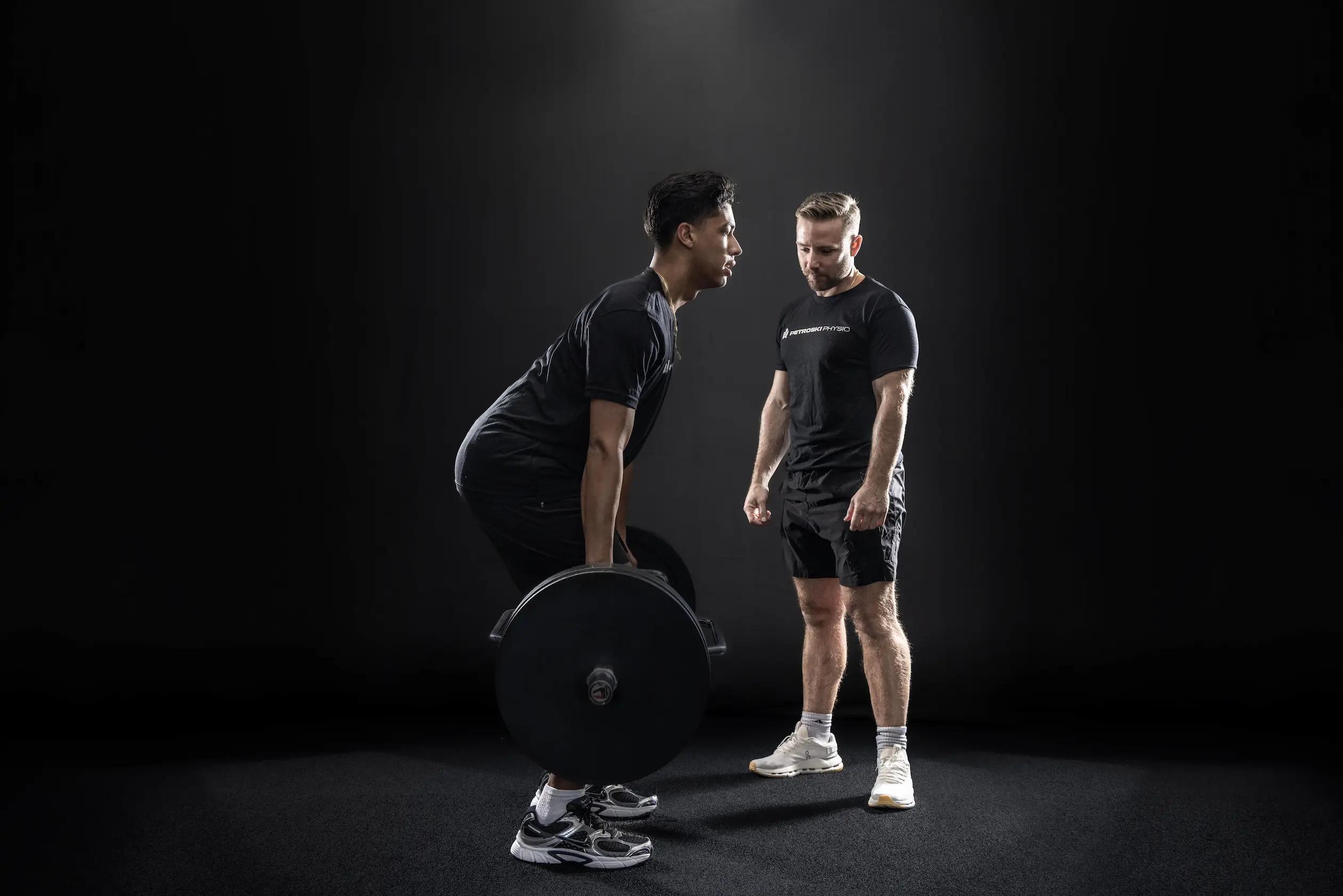
We create individualized recovery plans after injuries like ACL tears, shoulder surgeries, and muscle strains to help you safely return to sport and daily life.
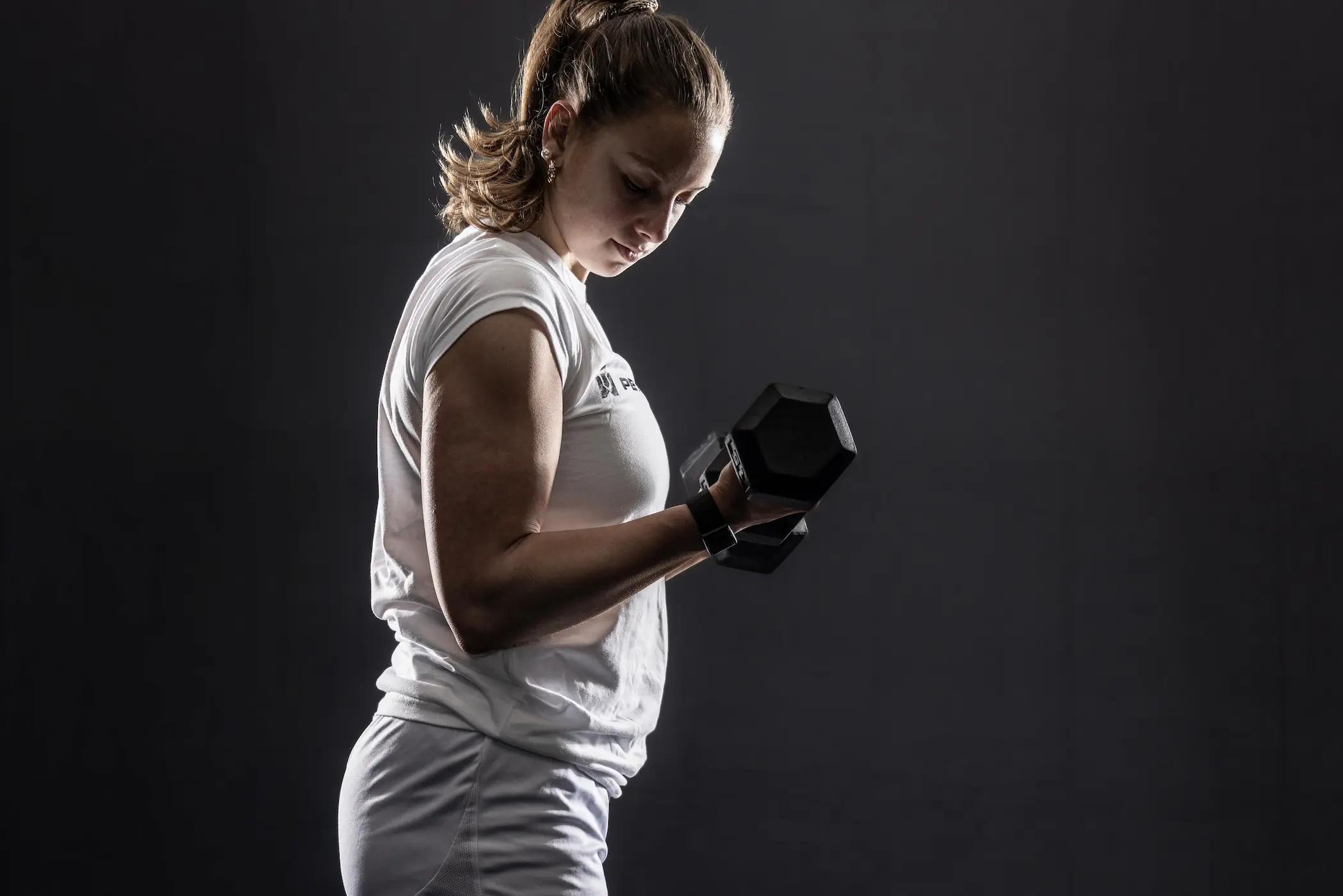
We help athletes rebuild strength and movement after common injuries like rotator cuff issues, tendinitis, and ligament sprains so you can perform with confidence again.
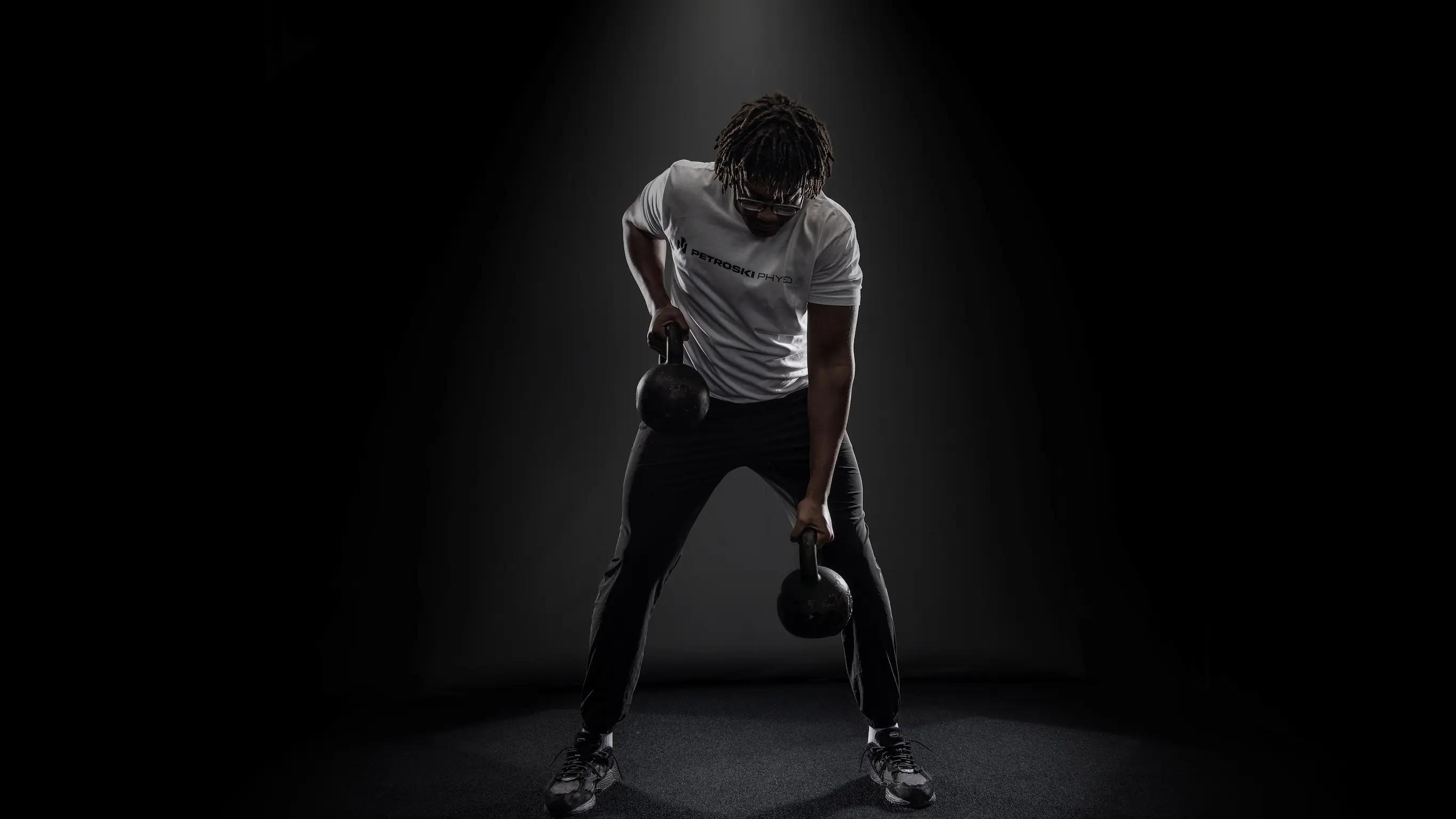
We guide you through every phase of recovery — from post-surgery rehab to performance training — so you don’t just return, you come back stronger.
Recovery Stories
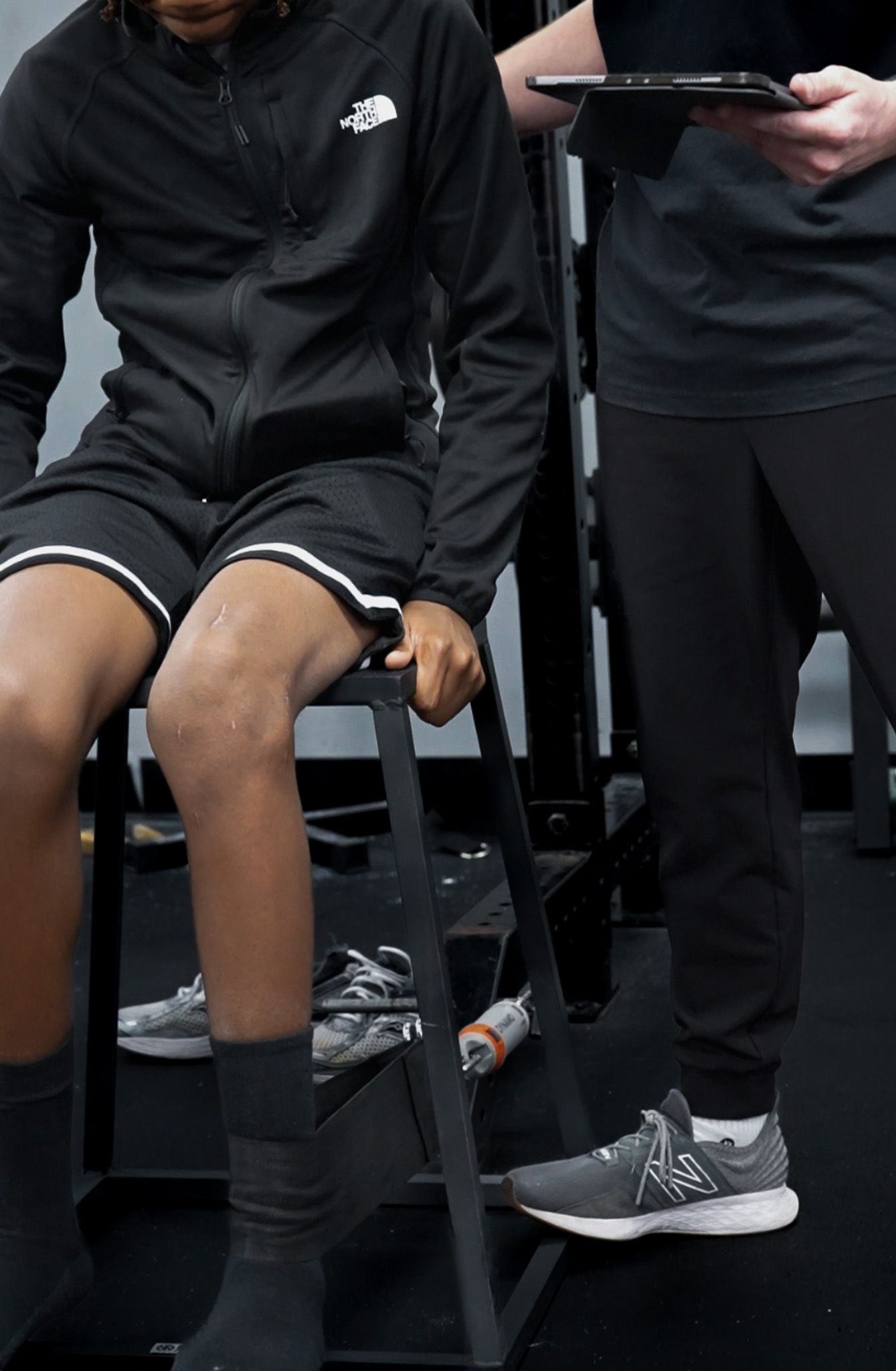
Chronic Patellar Tendinopathy: Restoring NBA-Level Knee Capacity
Rebuilding tendon capacity to restore performance from chronic knee pain.
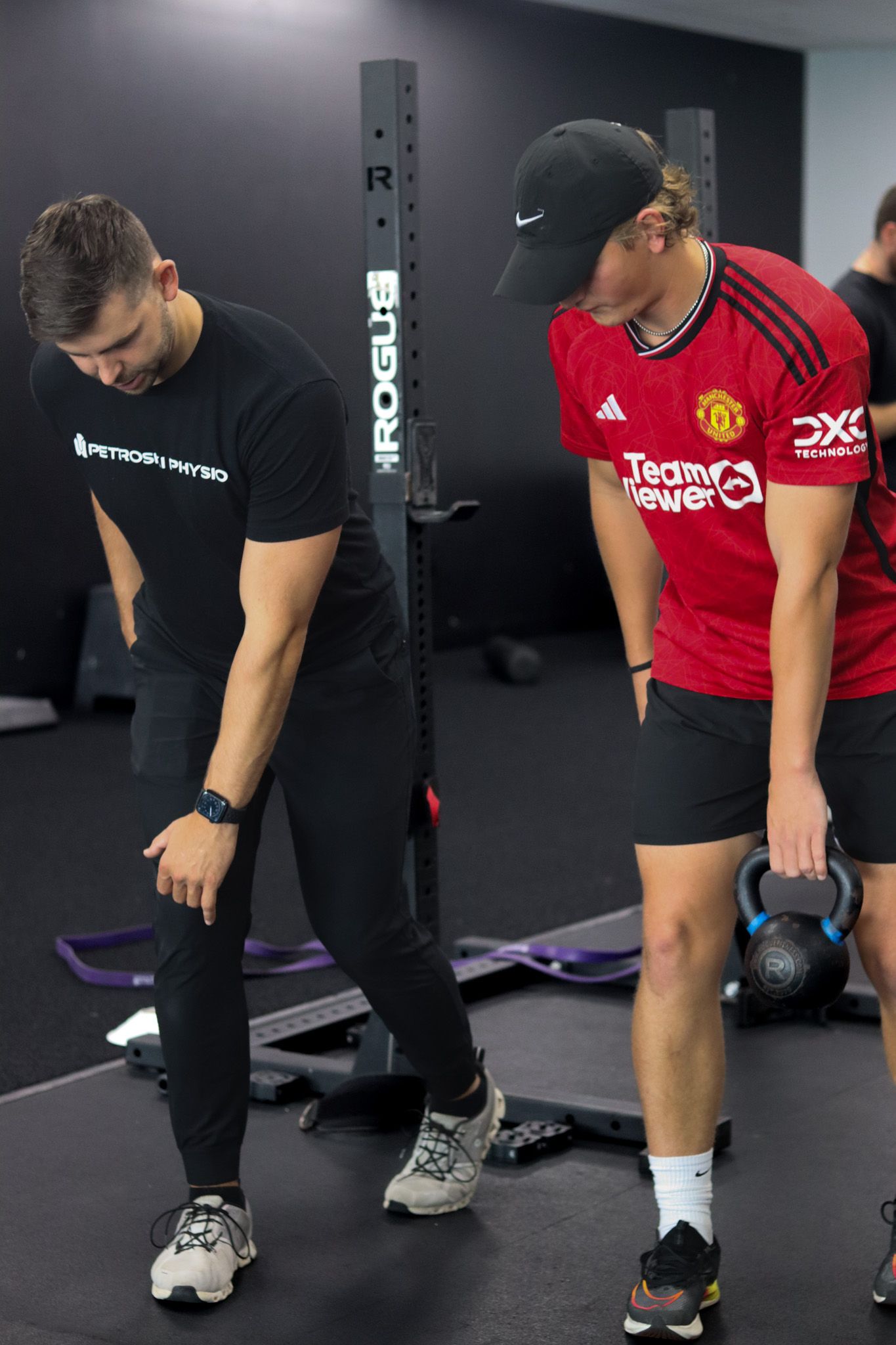
Patellar Tendinopathy: Returning for a Critical Senior Season
Stronger for recruitment after overcoming patellar tendon pain.
Chronic Patellar Tendinopathy: Restoring NBA-Level Knee Capacity
Rebuilding tendon capacity to restore performance from chronic knee pain.
Patellar Tendinopathy: Returning for a Critical Senior Season
Stronger for recruitment after overcoming patellar tendon pain.
Rehab, different.
Not a clinic. Not a gym.
A place built for progress.
A team built for performance.
A culture built for you.