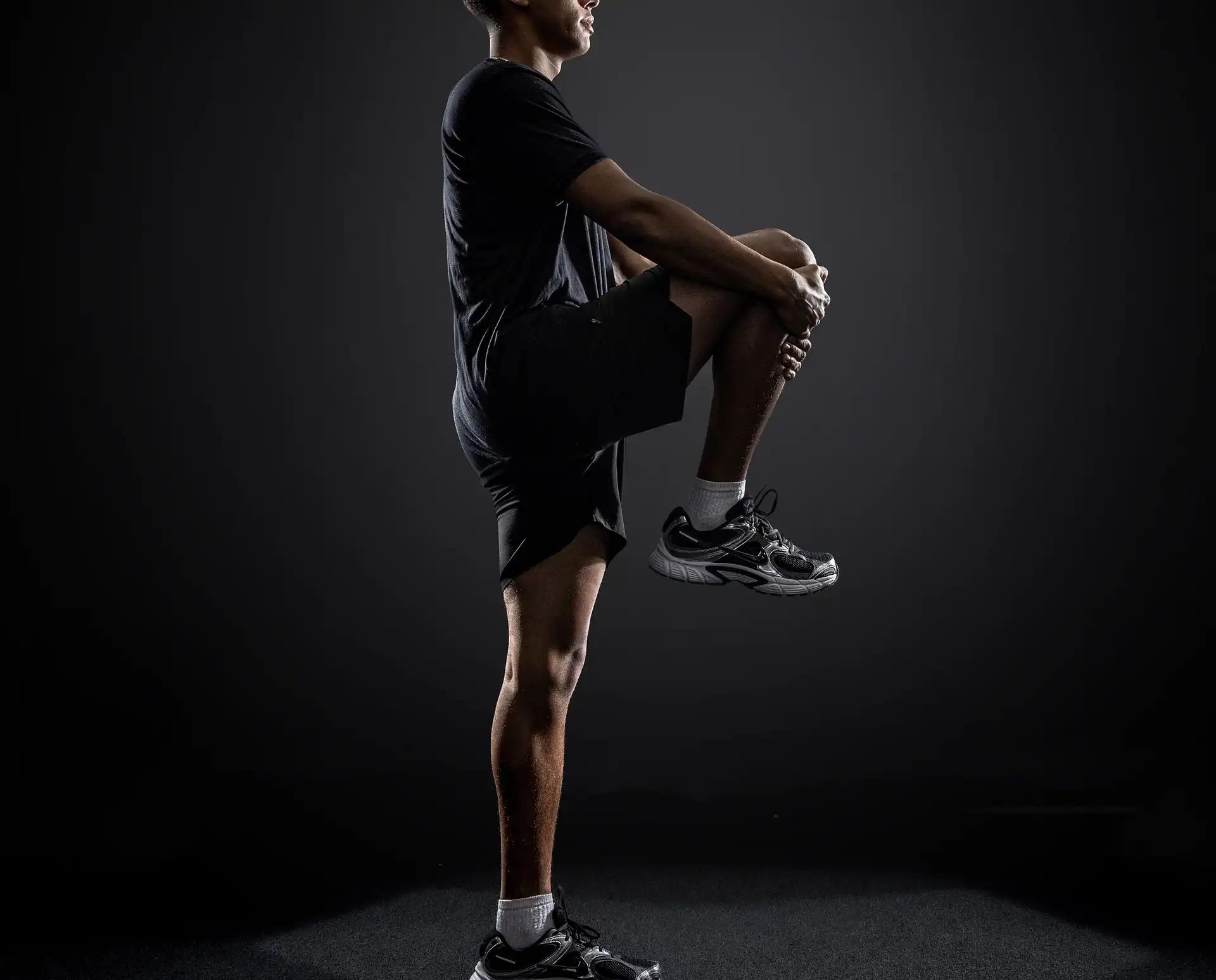
Meniscus Tear: A Basketball Player’s Return to Explosive Play
Objective testing revealed force asymmetries and deceleration deficits following a meniscus injury. A structured, data-driven rehab approach restored strength, confidence, and readiness for game-speed basketball.
Nick Petroski, DPT, Petroski Physio
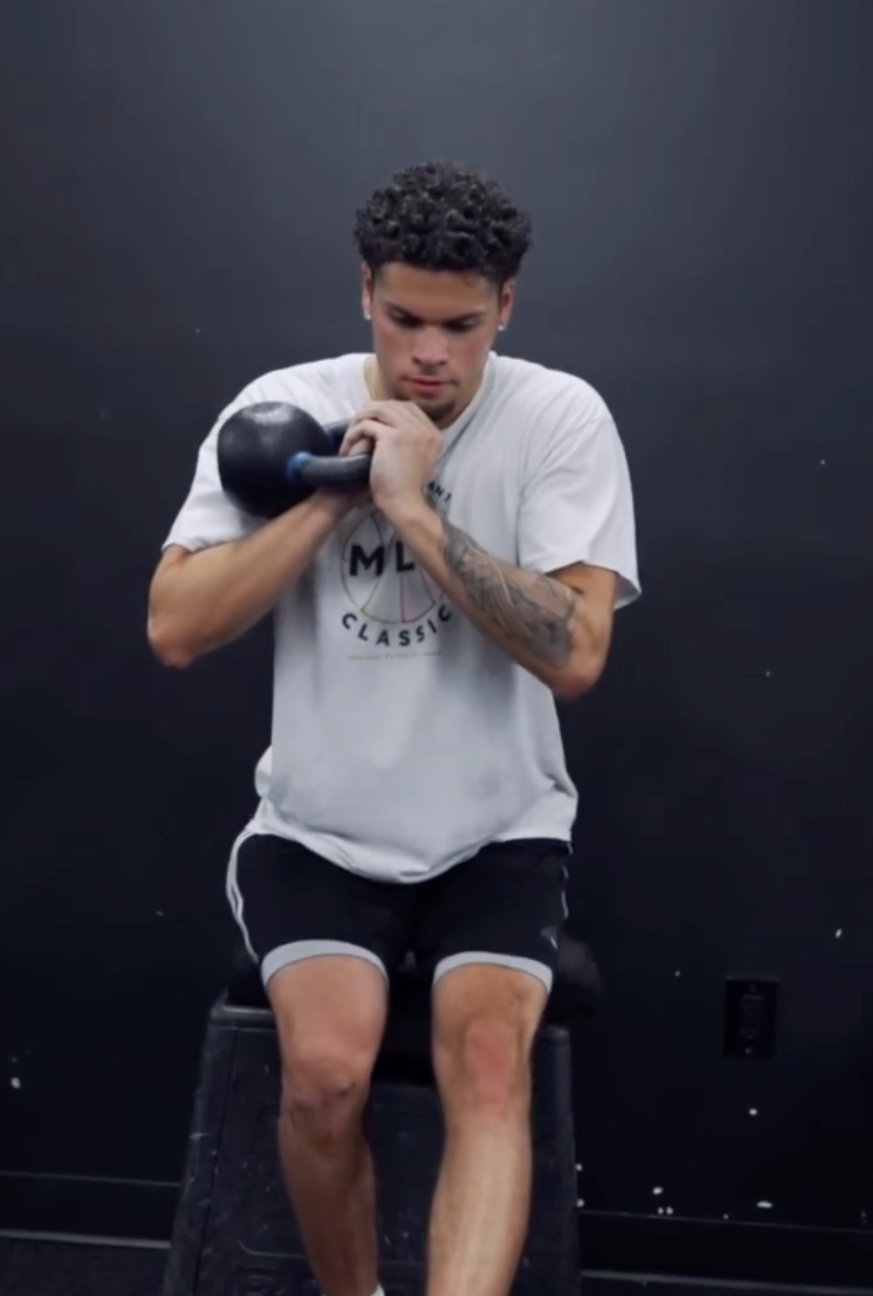
Meet the Athlete
TJ is a competitive basketball player whose role depends on explosive movement, rapid changes of direction, and confident downhill attacks. His game required repeated jumping, cutting, and high-speed deceleration — placing significant demands on knee stability and force absorption.
What was the challenge?
The injury occurred during a routine play, a movement TJ had performed countless times before. As he planted to change direction, he felt his knee shift awkwardly followed by sharp pain and immediate instability.
An MRI confirmed a meniscus tear.
For a basketball player, this diagnosis carries unique challenges. The meniscus functions as a critical shock absorber for the knee, managing high forces during jumping, cutting, and deceleration. Returning to play isn’t just about reducing swelling, it requires restoring confidence and capacity for explosive movement.
He struggled with:
Knee instability during cutting and directional changes
Deficits in eccentric control and force absorption
Reduced symmetry between limbs during explosive tasks
Uncertainty around returning to high-speed play safely
When TJ arrived at Petroski Physio, the focus wasn’t simply following a timeline, it was rebuilding the ability to manage force under real basketball demands.
What was our process?
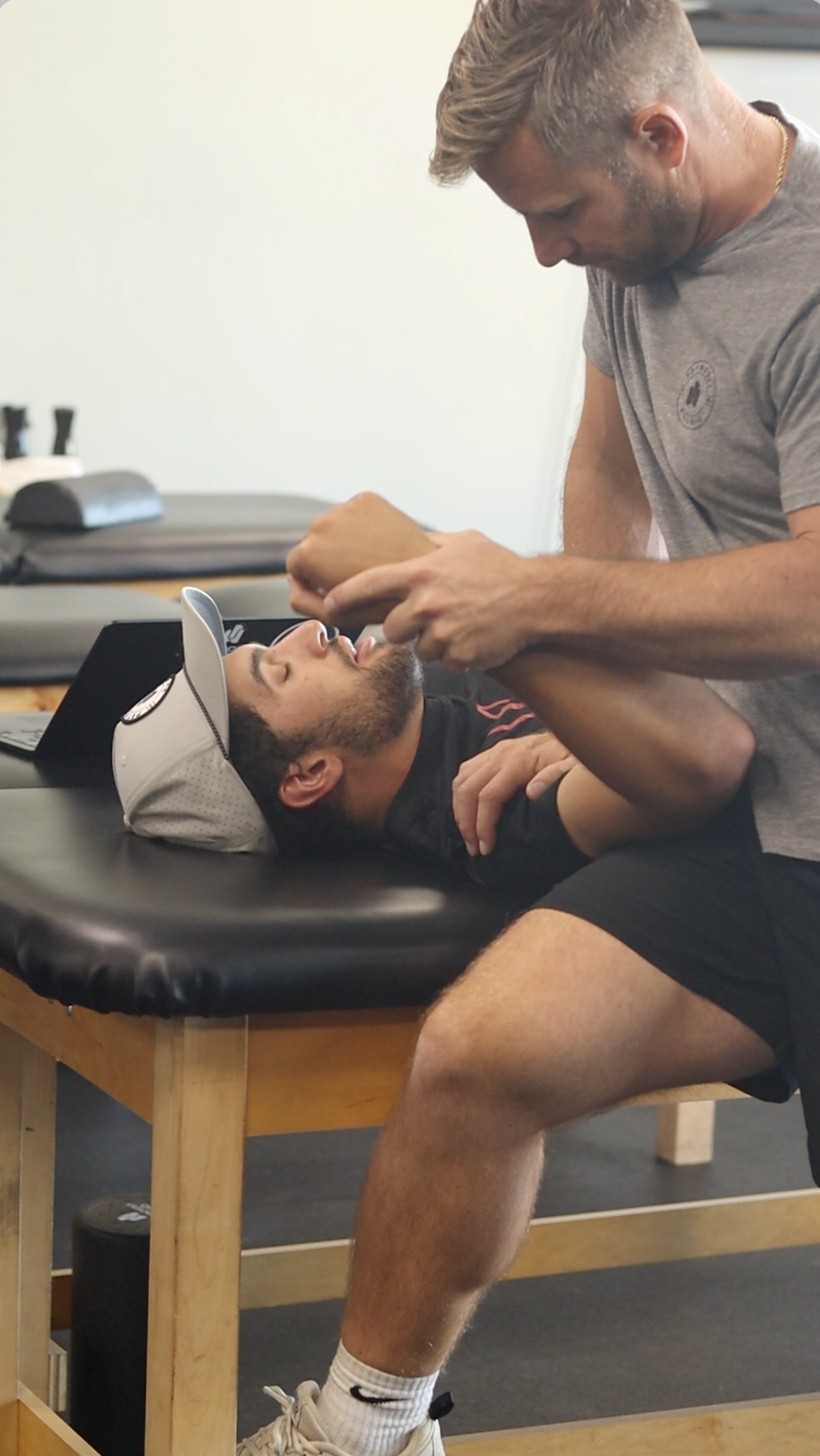
We began with a comprehensive objective evaluation to identify performance deficits and guide progression.
Step 1: Assessment and Planning
We completed:
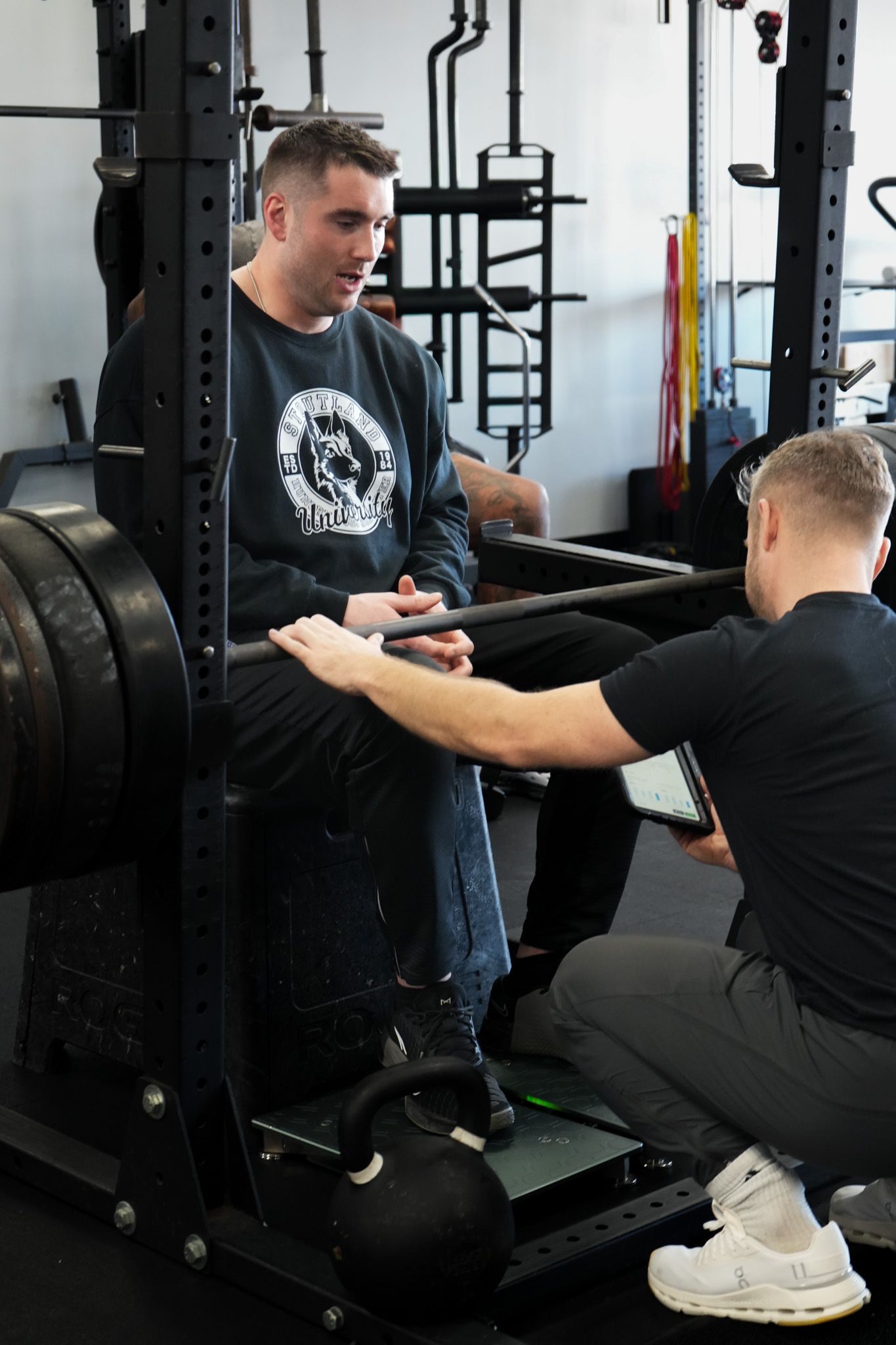
Quad strength testing using dynamometry
Force plate analysis during countermovement jumps
Time-to-stabilization measurements
Movement analysis of deceleration mechanics during cutting tasks
Testing revealed that while general strength was present, the affected leg struggled to absorb and control force efficiently — leading to instability during high-demand movements.
Step 2: Progressive Strength and Control
Early rehab focused on restoring joint function while rebuilding tolerance to load.
Key components included:
Restoring full knee extension and reducing effusion
Progressive loading within safe ranges of motion
Isometric and controlled eccentric strengthening
Emphasis on quad activation and force absorption capacity
Rather than stopping at basic milestones, progression was guided by measurable improvements in symmetry and control.
Step 3: Data-Driven Return-to-Sport
As TJ’s metrics improved, rehab shifted toward basketball-specific performance:
Rear-foot elevated split squats with tempo control
Lateral deceleration drills with stabilization pauses
Progressive single-leg landing mechanics monitored on force plates
Multi-directional plyometrics and reactive agility drills
Reaction-based defensive slides and unpredictable movement patterns
We prioritized training his ability to absorb force before emphasizing force production, ensuring readiness for the unpredictable nature of basketball.
Where is he now?
By the time TJ returned to full practice, objective testing confirmed readiness. Quad strength exceeded pre-injury baselines, force absorption patterns were symmetrical, and reactive strength metrics improved beyond previous levels.
Most importantly, confidence returned, allowing him to move and compete without hesitation.
Meniscus injuries don’t end careers, but successful recovery requires more than waiting for pain or swelling to resolve. By rebuilding force tolerance, deceleration control, and reactive capacity, TJ returned to the court prepared for the demands of game-speed play.
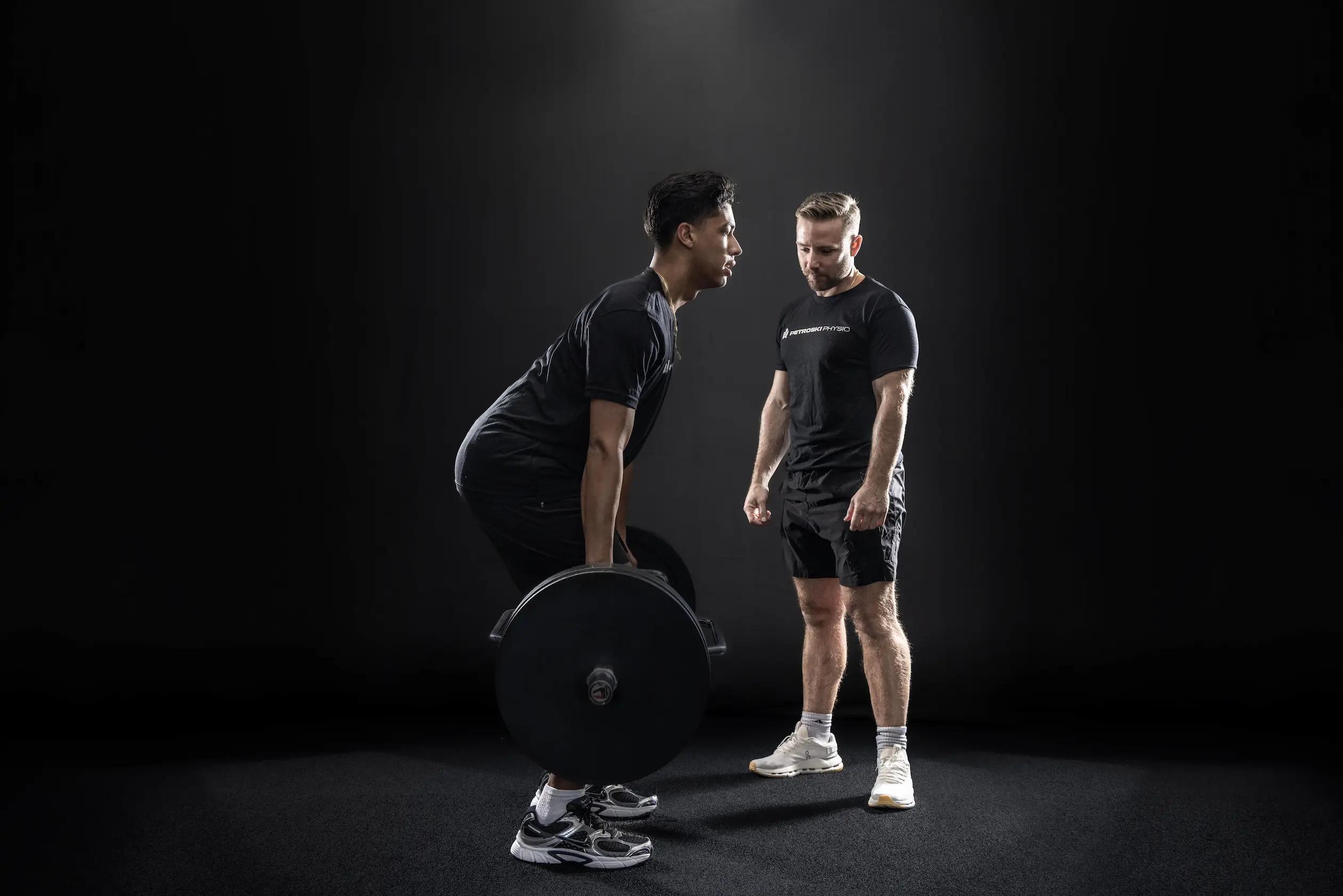
We create individualized recovery plans after injuries like ACL tears, shoulder surgeries, and muscle strains to help you safely return to sport and daily life.
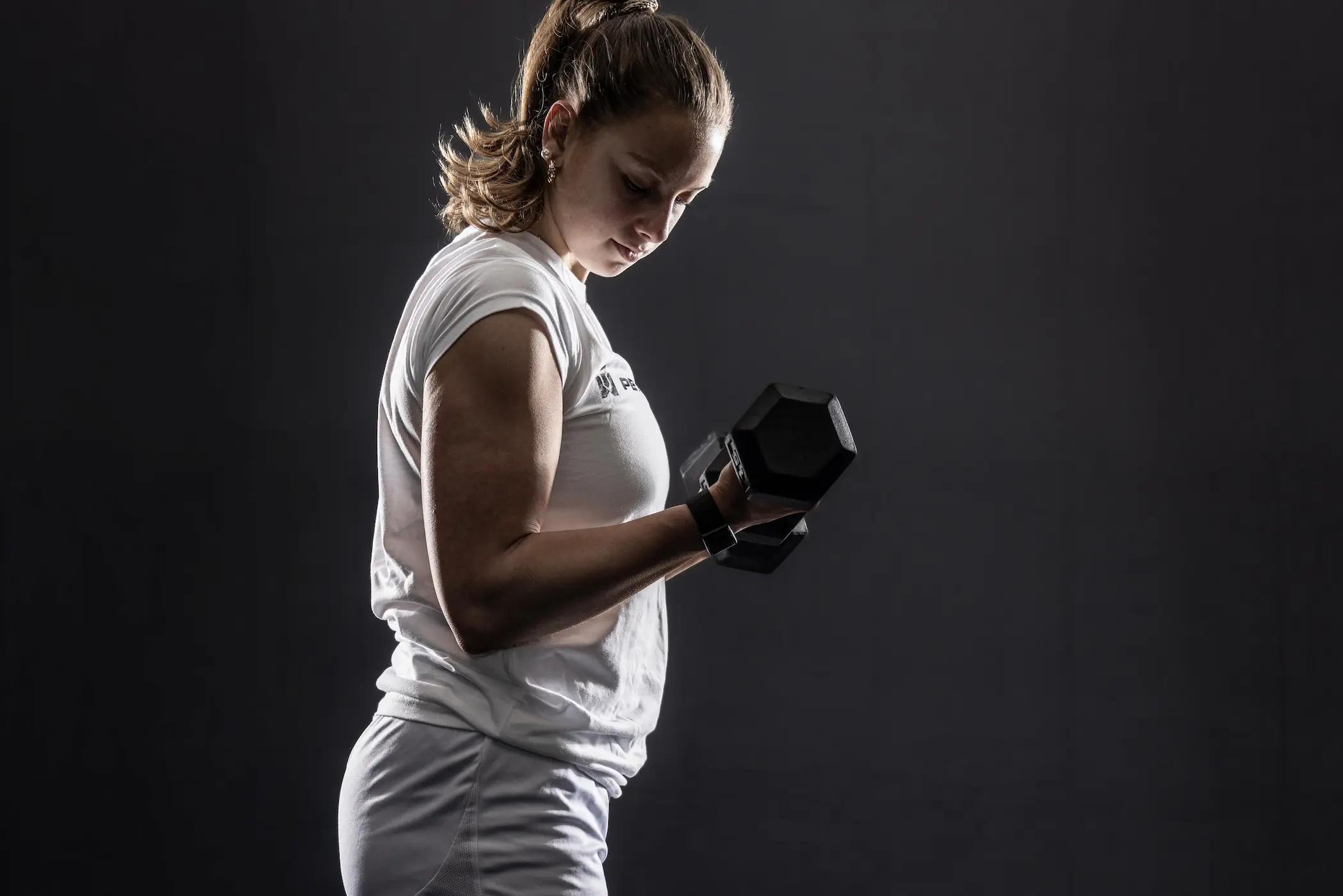
We help athletes rebuild strength and movement after common injuries like rotator cuff issues, tendinitis, and ligament sprains so you can perform with confidence again.
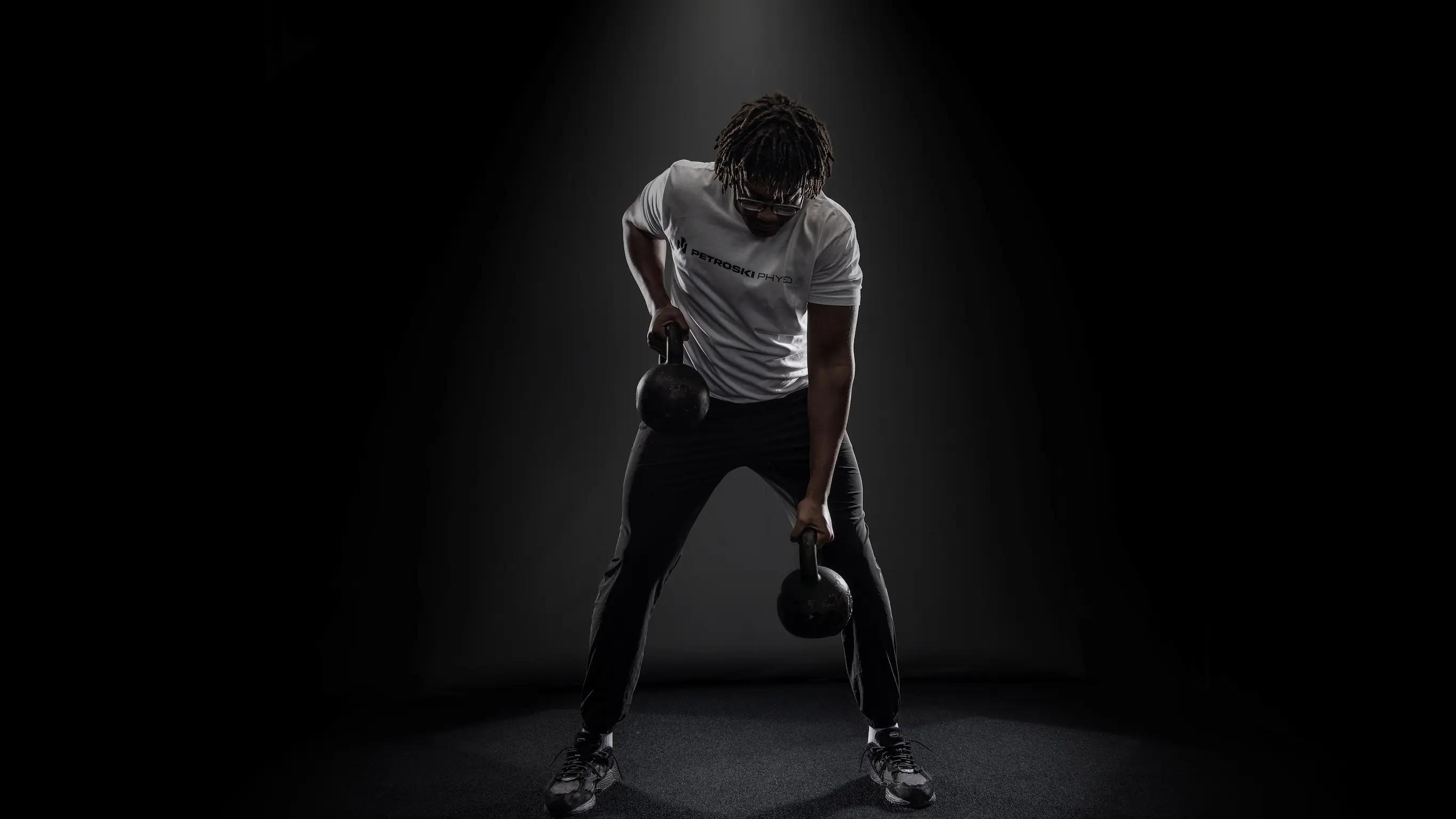
We guide you through every phase of recovery — from post-surgery rehab to performance training — so you don’t just return, you come back stronger.
Recovery Stories
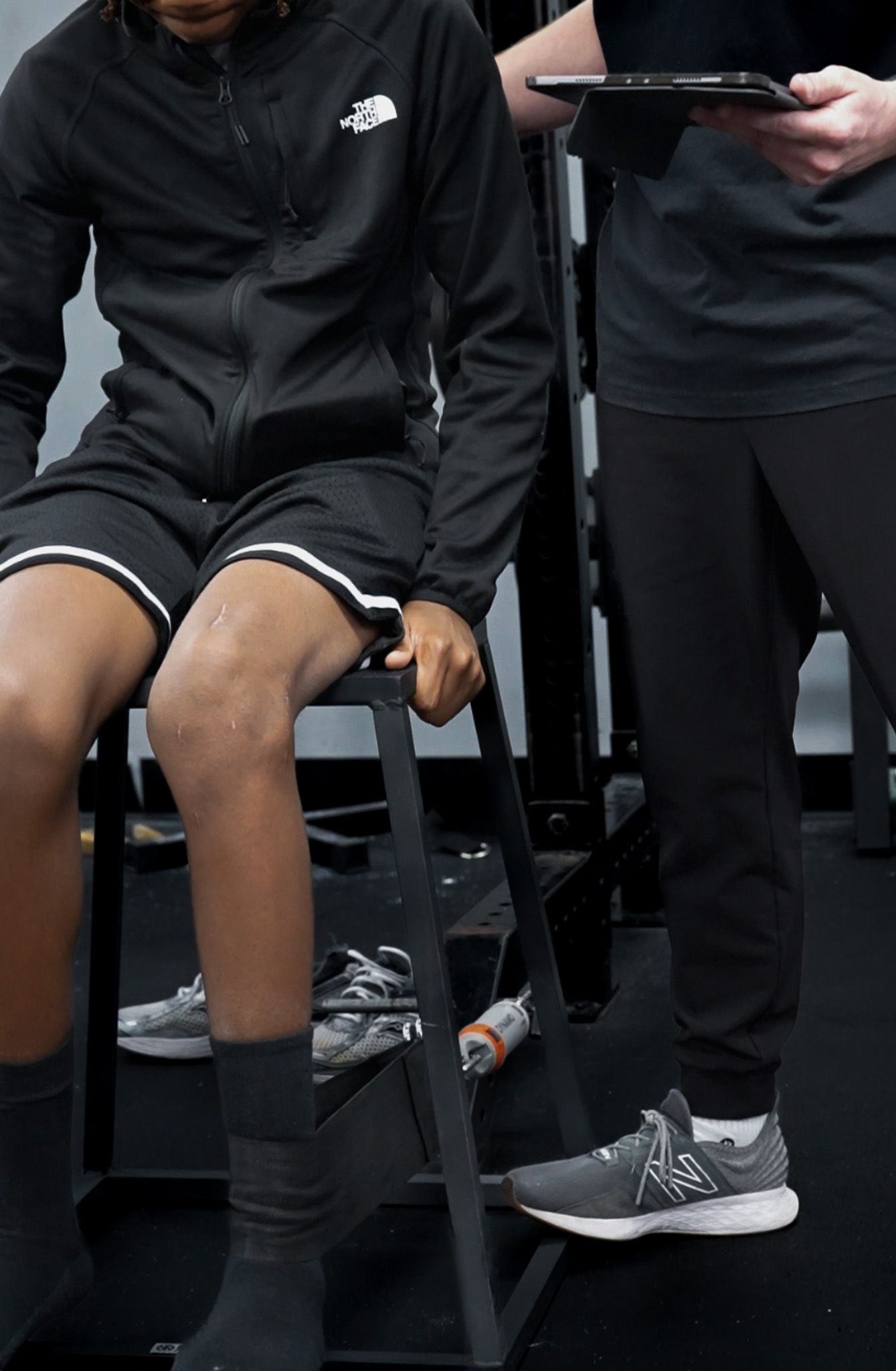
Chronic Patellar Tendinopathy: Restoring NBA-Level Knee Capacity
Rebuilding tendon capacity to restore performance from chronic knee pain.
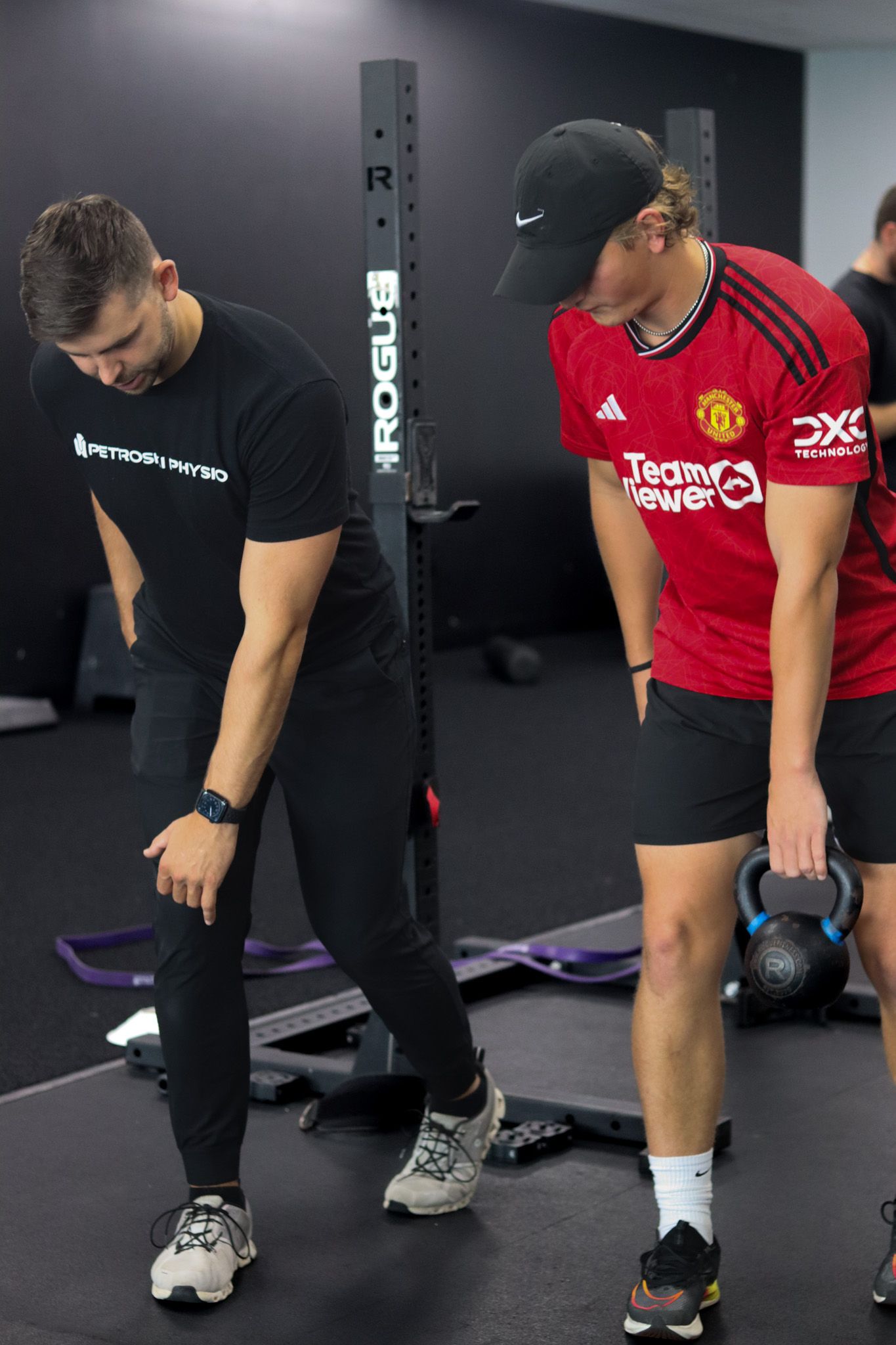
Patellar Tendinopathy: Returning for a Critical Senior Season
Stronger for recruitment after overcoming patellar tendon pain.
Chronic Patellar Tendinopathy: Restoring NBA-Level Knee Capacity
Rebuilding tendon capacity to restore performance from chronic knee pain.
Patellar Tendinopathy: Returning for a Critical Senior Season
Stronger for recruitment after overcoming patellar tendon pain.
Rehab, different.
Not a clinic. Not a gym.
A place built for progress.
A team built for performance.
A culture built for you.