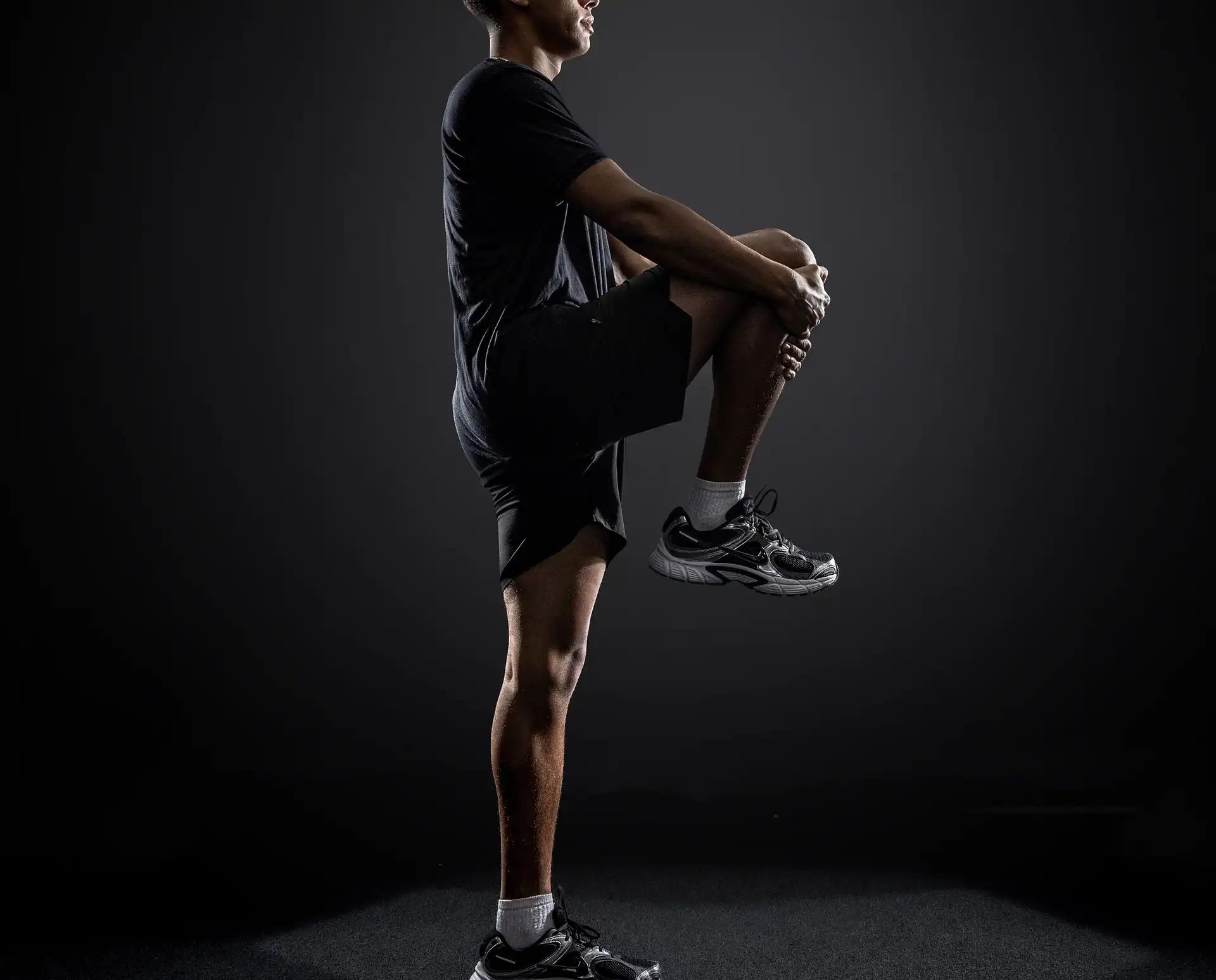
Managing Acute Low Back Pain Ahead of an NFL Tryout
A professional football player overcame severe low back pain just days before a critical NFL tryout through a focused, performance-driven treatment approach. He returned pain-free notice to perform and ultimately earned a roster spot.
Nick Petroski, DPT, Petroski Physio
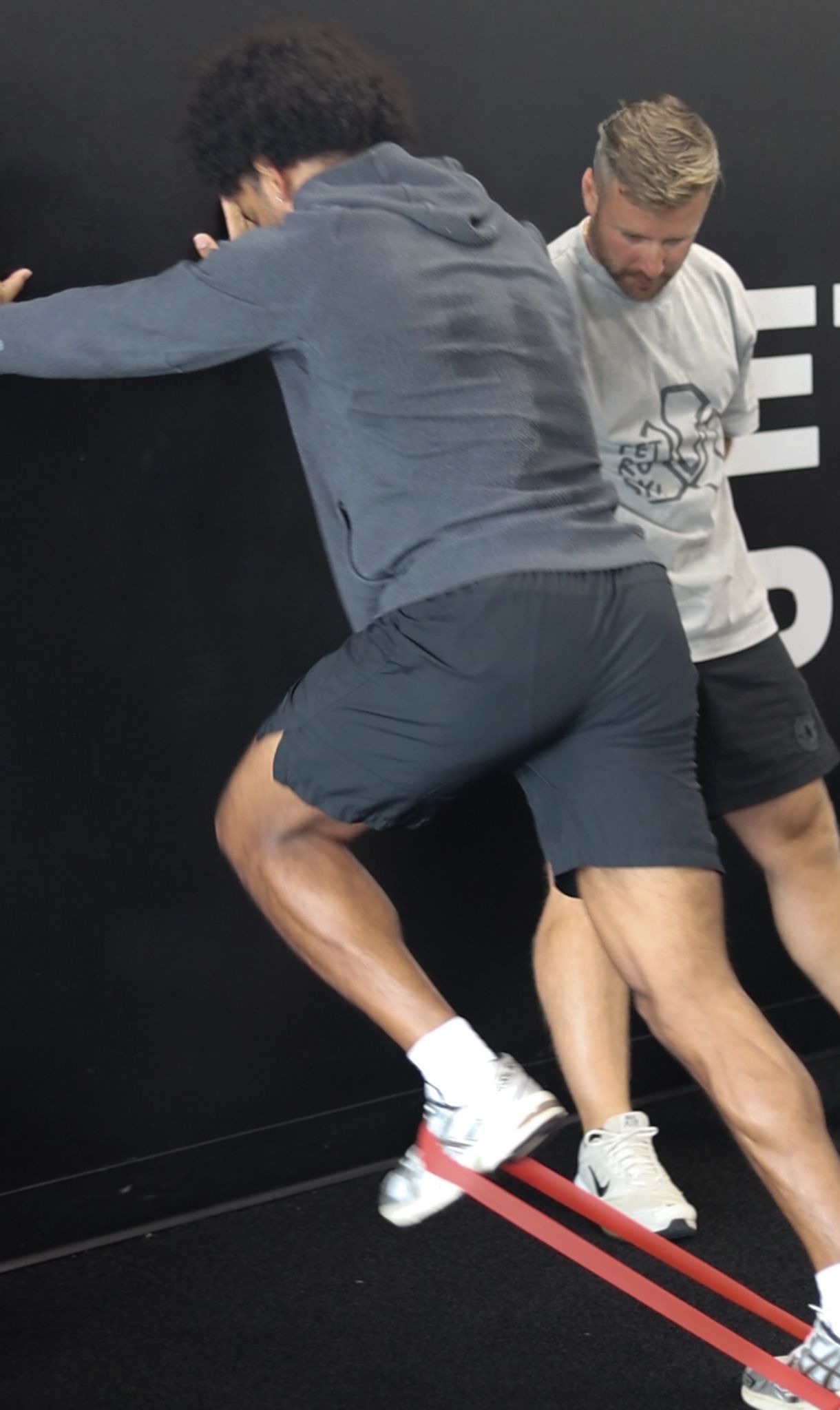
Meet the Athlete
AJ is a professional football player with extensive NFL experience. His position demands repeated high-force sprinting, rapid changes of direction, and full-body power under fatigue. Low back health is critical not just for performance, but for availability at the highest level. AJ was familiar with Petroski Physio from previous work, but this visit was different.

What was the challenge?
Low back pain is common in football, but AJ’s situation was uniquely high stakes.
After injuring his back, AJ was released from his NFL team. When he came in, he was shaken. He was worried about how he was going to make money, worried about his future, and worried that his opportunity in the league might be slipping away.
To make matters worse, his back pain escalated dramatically in the days following his release. Between getting cut and an upcoming NFL tryout just days away, his symptoms became so severe that basic movement was difficult.
The constraints were clear:
Severe low back pain limiting movement
Extremely limited time window
An upcoming NFL tryout that could not be postponed
This was not a long-term rehab scenario. Time was the most critical variable.
What was our process?
From the start, everything we did needed to be precise, intentional, and efficient.
Step 1: Calm Symptoms and Restore Movement
The first visit focused on one goal: settling his system down.
We prioritized:
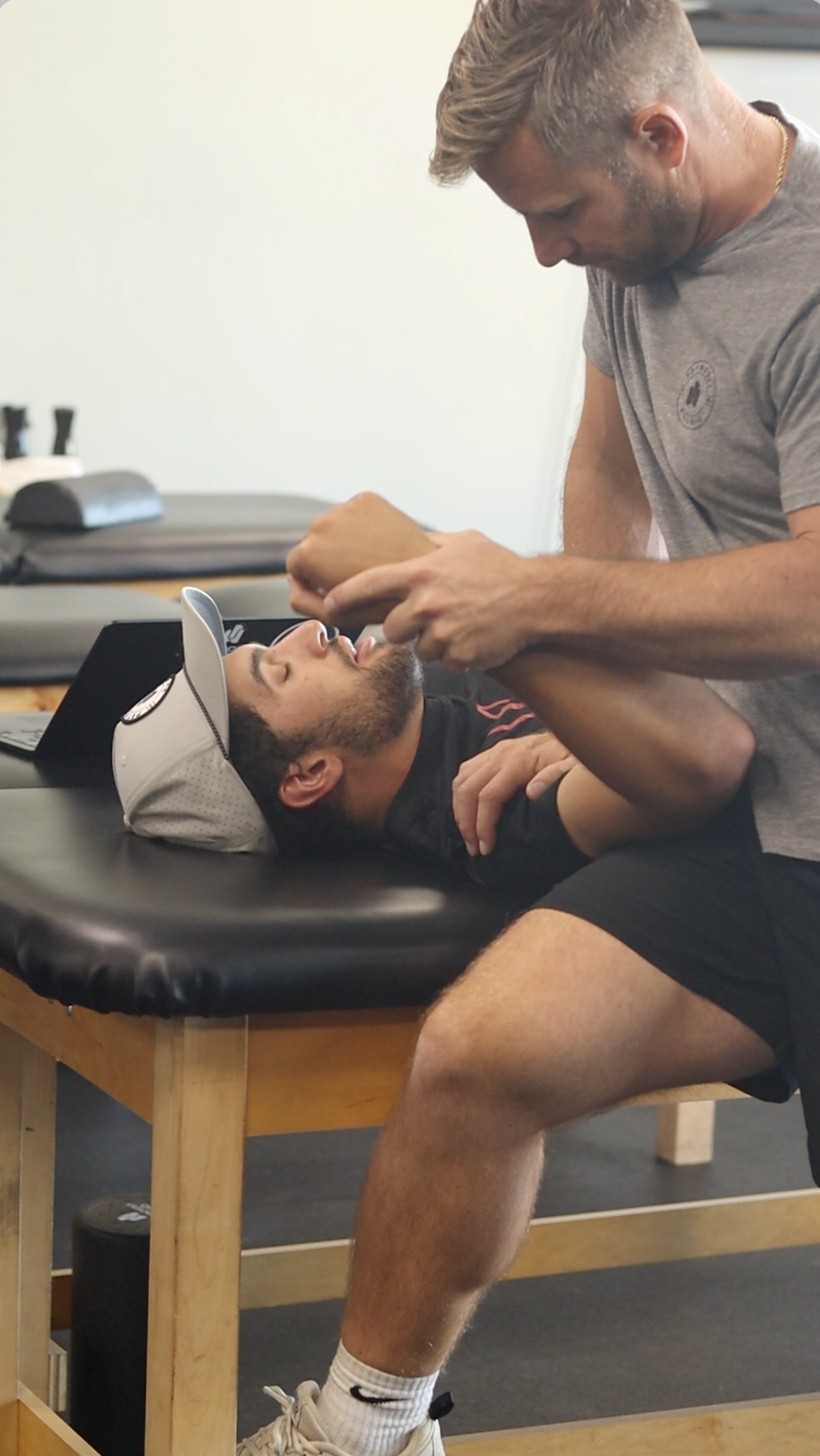
Manual therapy and targeted soft tissue work
Stimulation to reduce pain and restore input
Very specific breathing strategies to reduce protective tone
Gentle, controlled movement to reintroduce spinal motion
We paired symptom reduction with low-level spinal loading, carefully reintroducing movement without flaring symptoms and allowing his nervous system to downshift.
Step 2: Layer Stress With Precision
On the second day, we began applying more stress, but still with a clear plan.
We introduced:
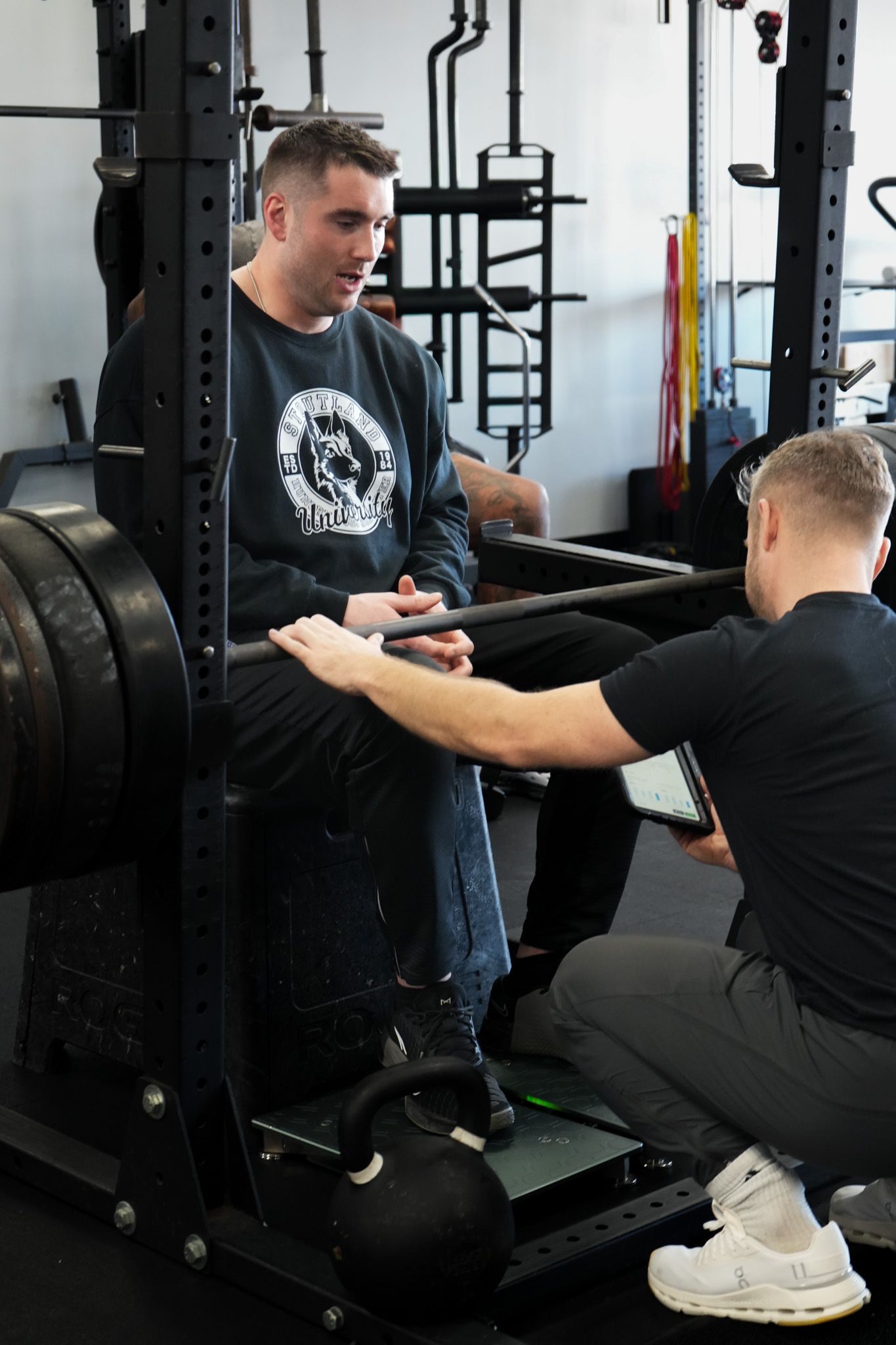
Low-level loading at very specific joint angles and positions
Close monitoring of symptom response
Gradual exposure to movement patterns required for football
As AJ demonstrated tolerance, we progressed him into controlled running drills. That progression marked a turning point. Once he handled that workload without setbacks, we knew his back was ready for higher demand.
Step 3: Prepare for Performance, Not Rehab
The final day was not treated like rehab. It was treated like preparation.
We trained as if we were heading into the NFL Combine:
Full warm-up sequence
Movement patterns he would be asked to demonstrate
High-intensity, football-relevant efforts
AJ moved cleanly through every requirement. Pain was no longer limiting performance.
Where is he now?
The next day, AJ flew to Atlanta for his tryout with the Atlanta Falcons. He performed well and earned a roster spot.
This outcome was not the result of rest or generic treatment. It came from precision, timing, and understanding exactly how to prepare an athlete to perform when the margin for error is razor thin.
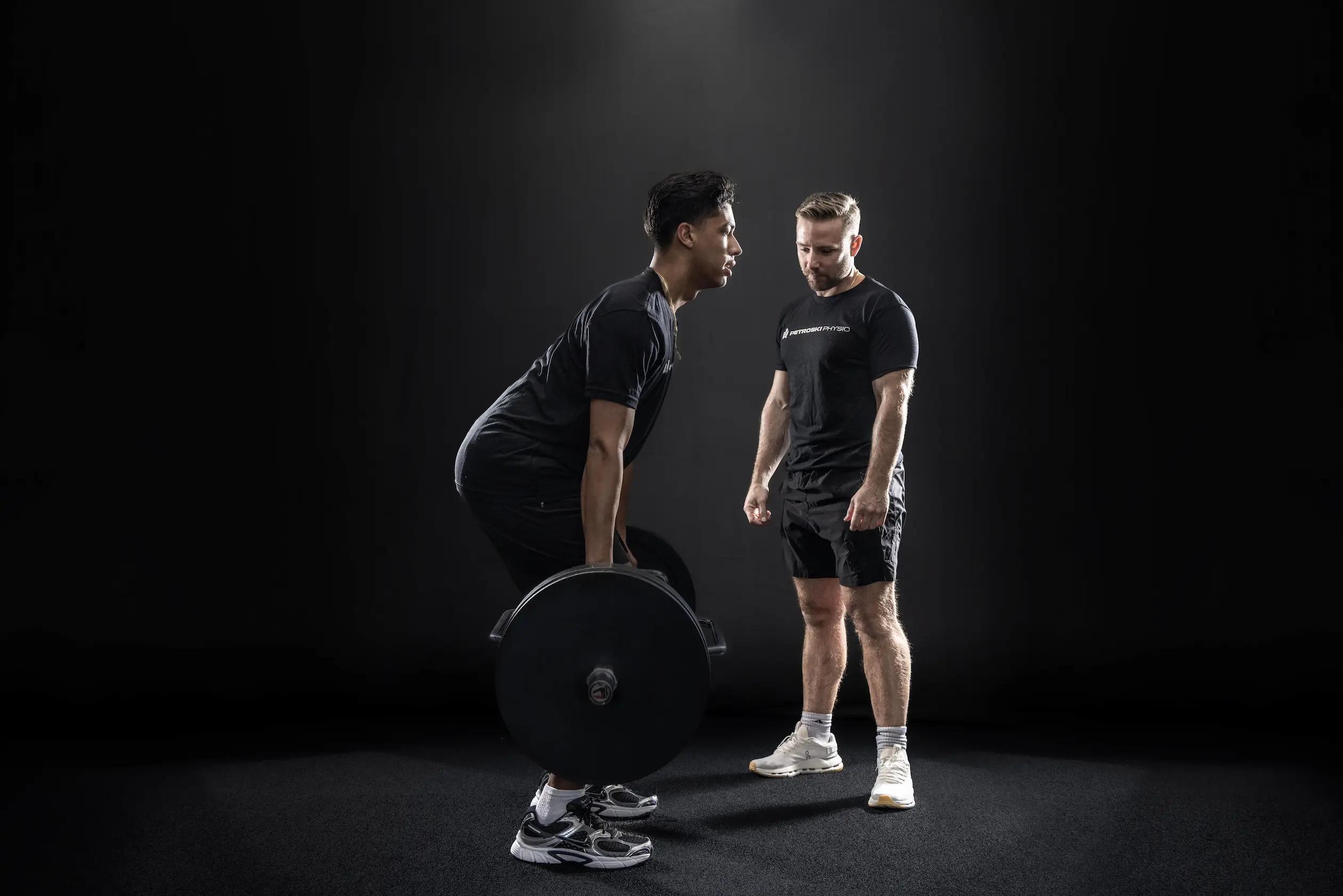
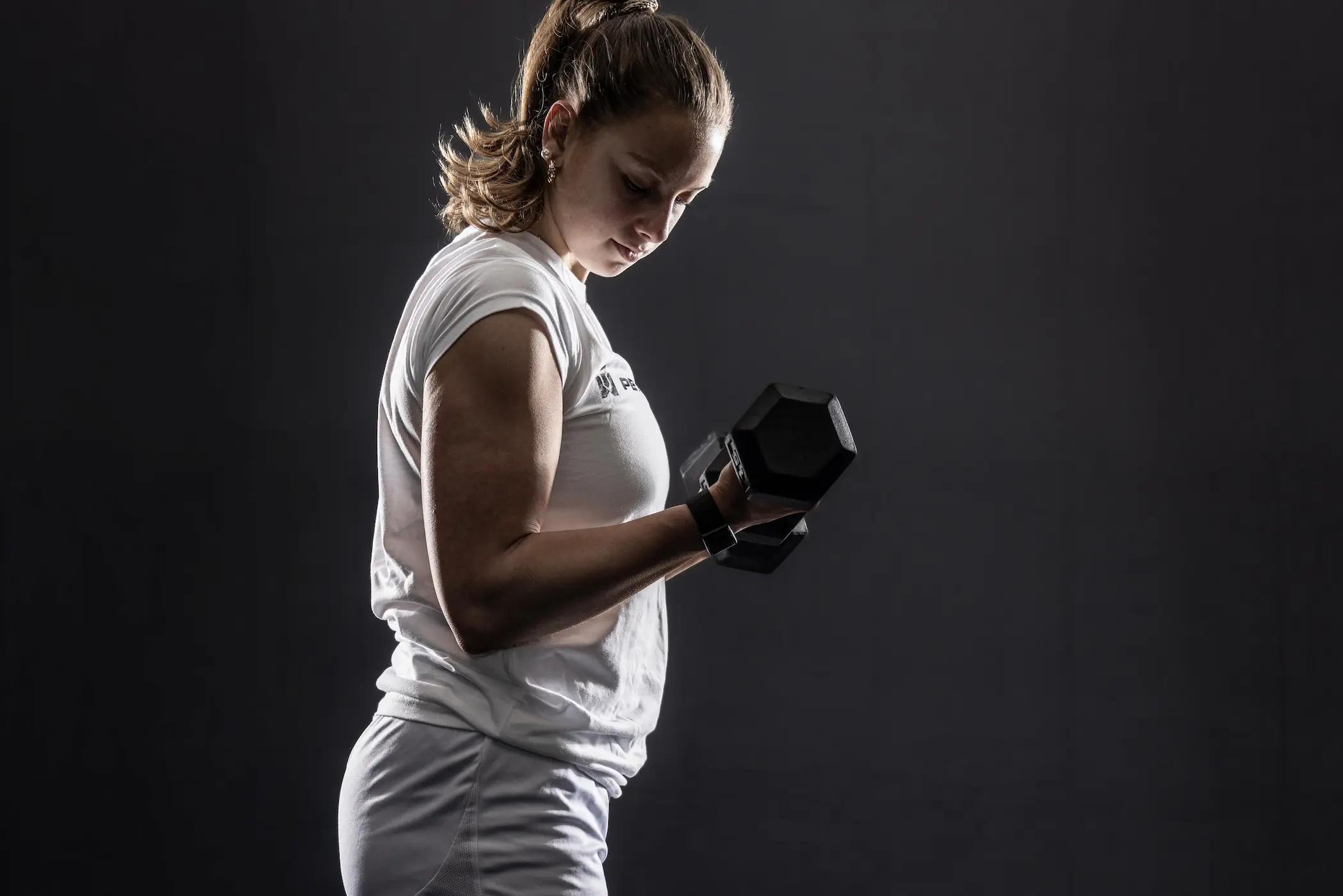
We create individualized recovery plans after injuries like ACL tears, shoulder surgeries, and muscle strains to help you safely return to sport and daily life.
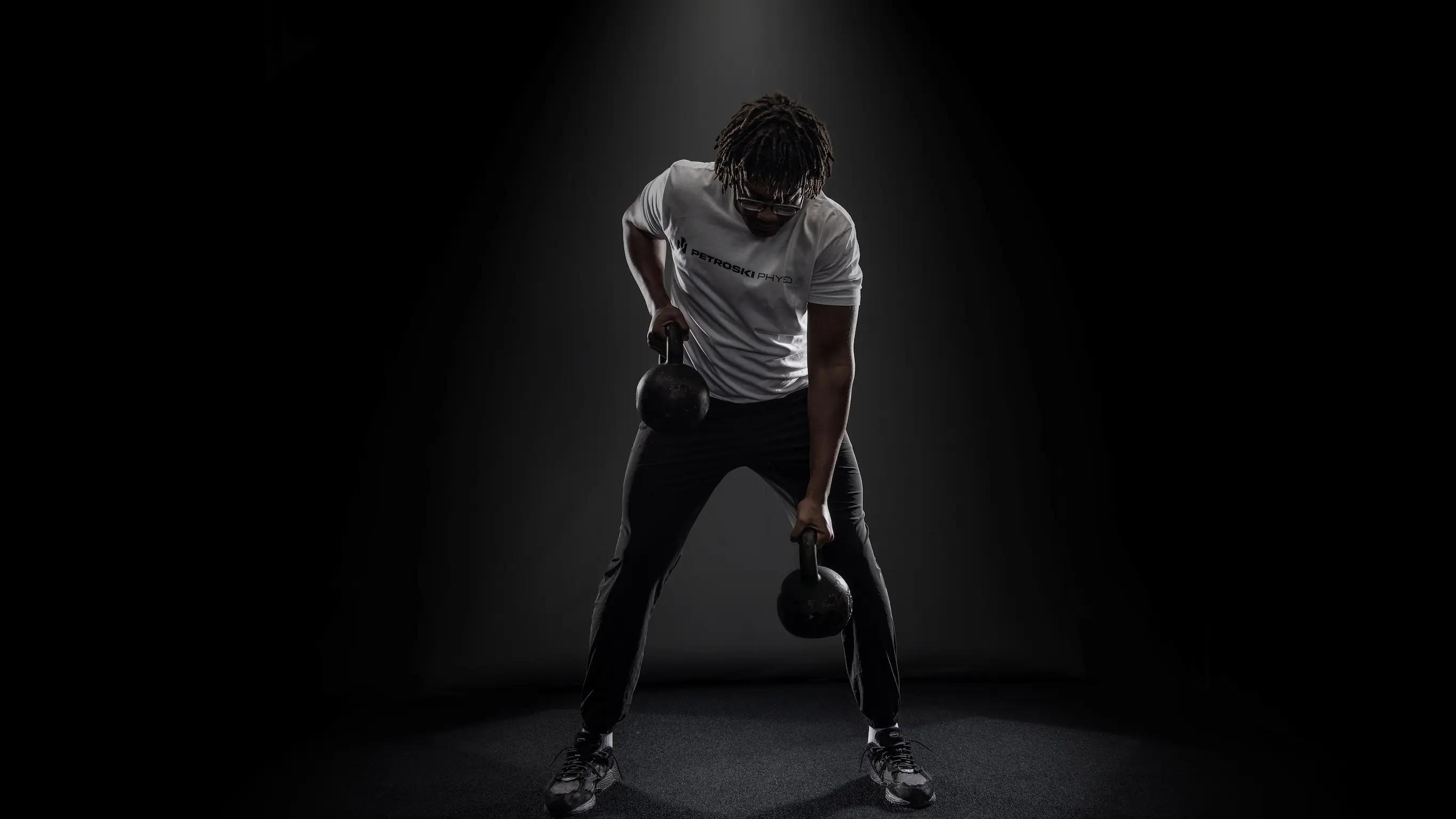
We help athletes rebuild strength and movement after common injuries like rotator cuff issues, tendinitis, and ligament sprains so you can perform with confidence again.
We guide you through every phase of recovery — from post-surgery rehab to performance training — so you don’t just return, you come back stronger.
Recovery Stories
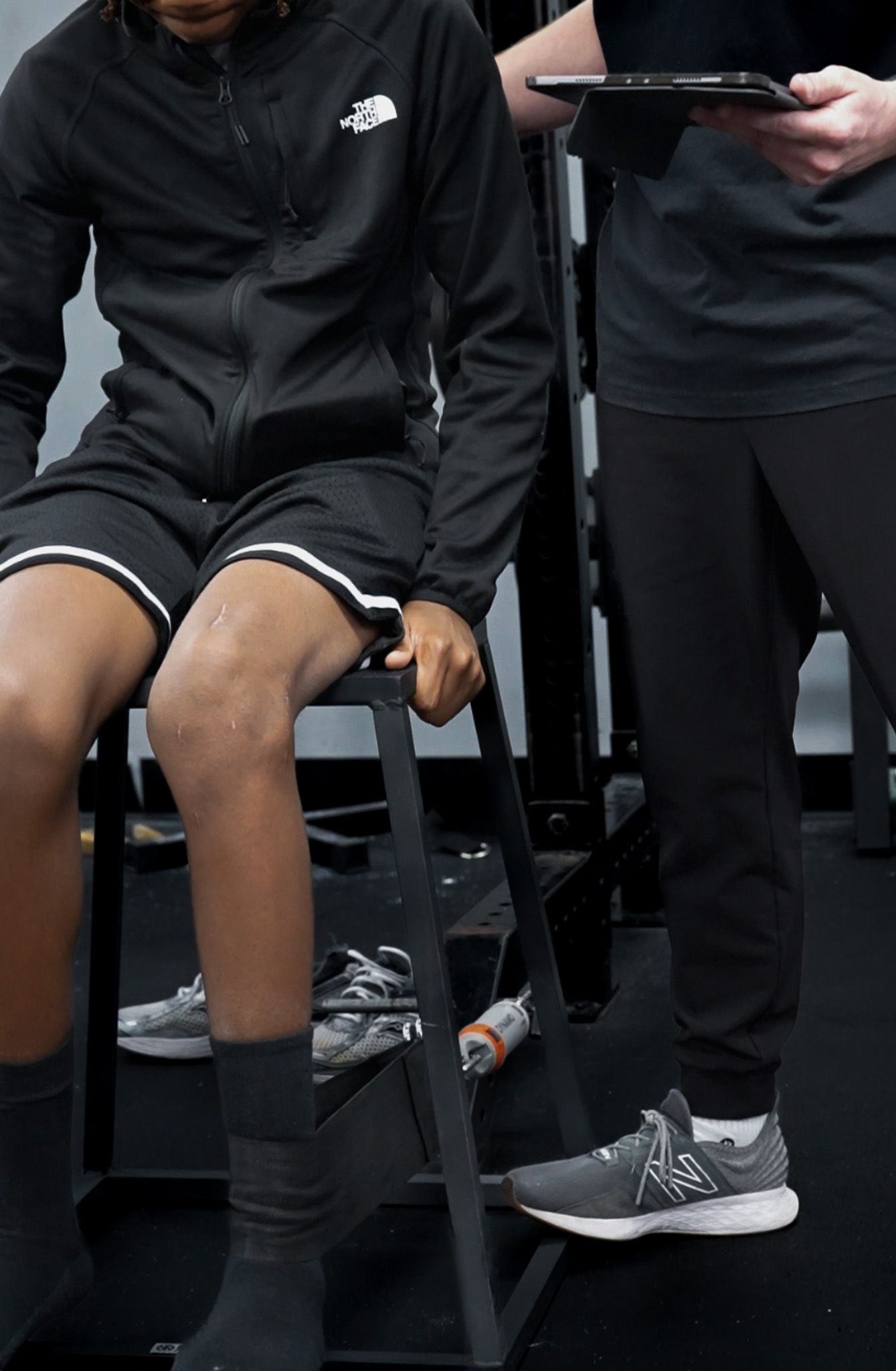
Chronic Patellar Tendinopathy: Restoring NBA-Level Knee Capacity
Rebuilding tendon capacity to restore performance from chronic knee pain.
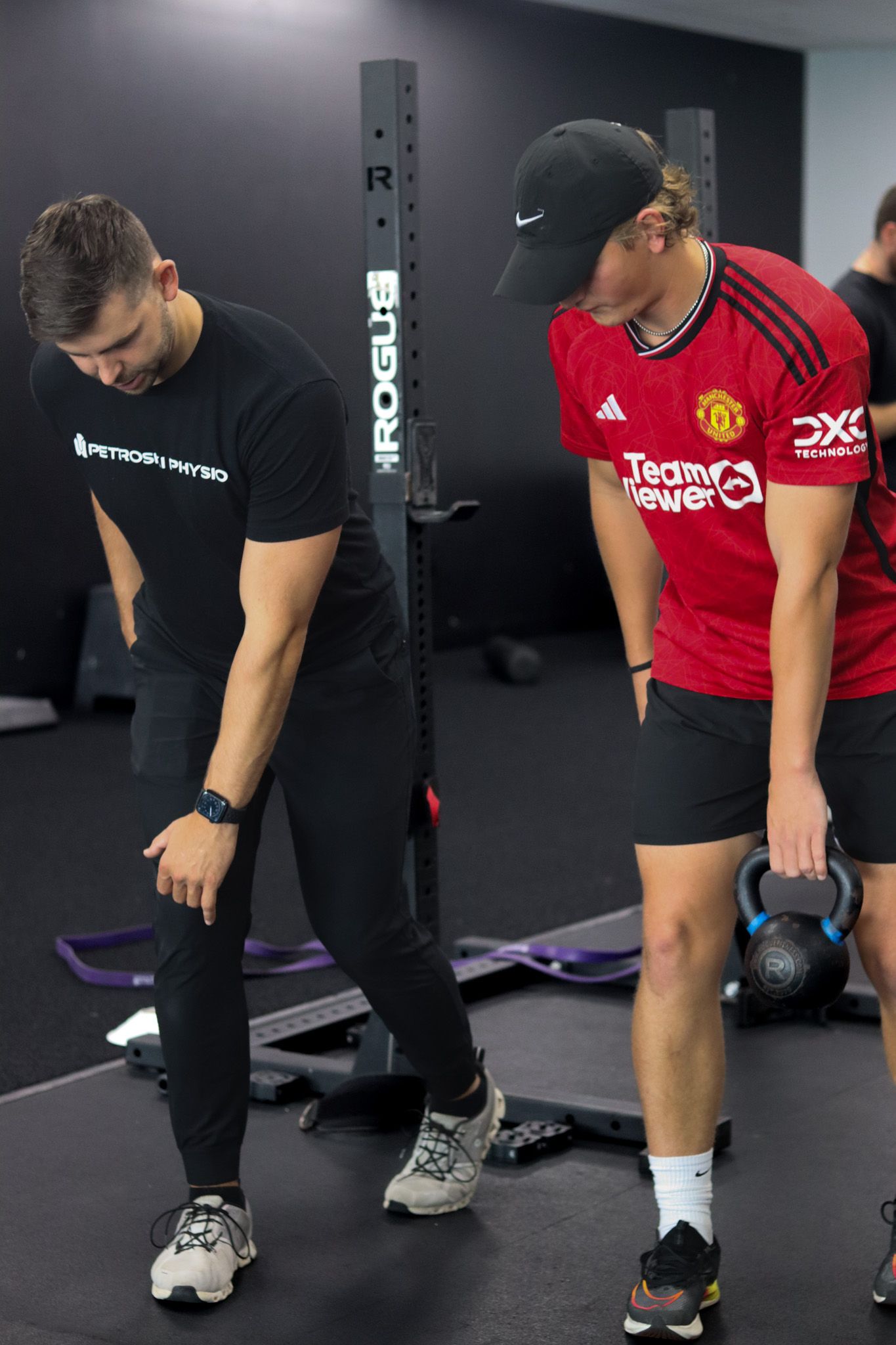
Patellar Tendinopathy: Returning for a Critical Senior Season
Stronger for recruitment after overcoming patellar tendon pain.
Chronic Patellar Tendinopathy: Restoring NBA-Level Knee Capacity
Rebuilding tendon capacity to restore performance from chronic knee pain.
Patellar Tendinopathy: Returning for a Critical Senior Season
Stronger for recruitment after overcoming patellar tendon pain.
Rehab, different.
Not a clinic. Not a gym.
A place built for progress.
A team built for performance.
A culture built for you.