High-Grade Ankle Sprain: Returning in Time for Recruitment Season
Returning from a high-grade ankle sprain in time for recruitment season with confidence, stability, and game-ready performance.
Nick Petroski, DPT, Petroski Physio
Meet the Athlete
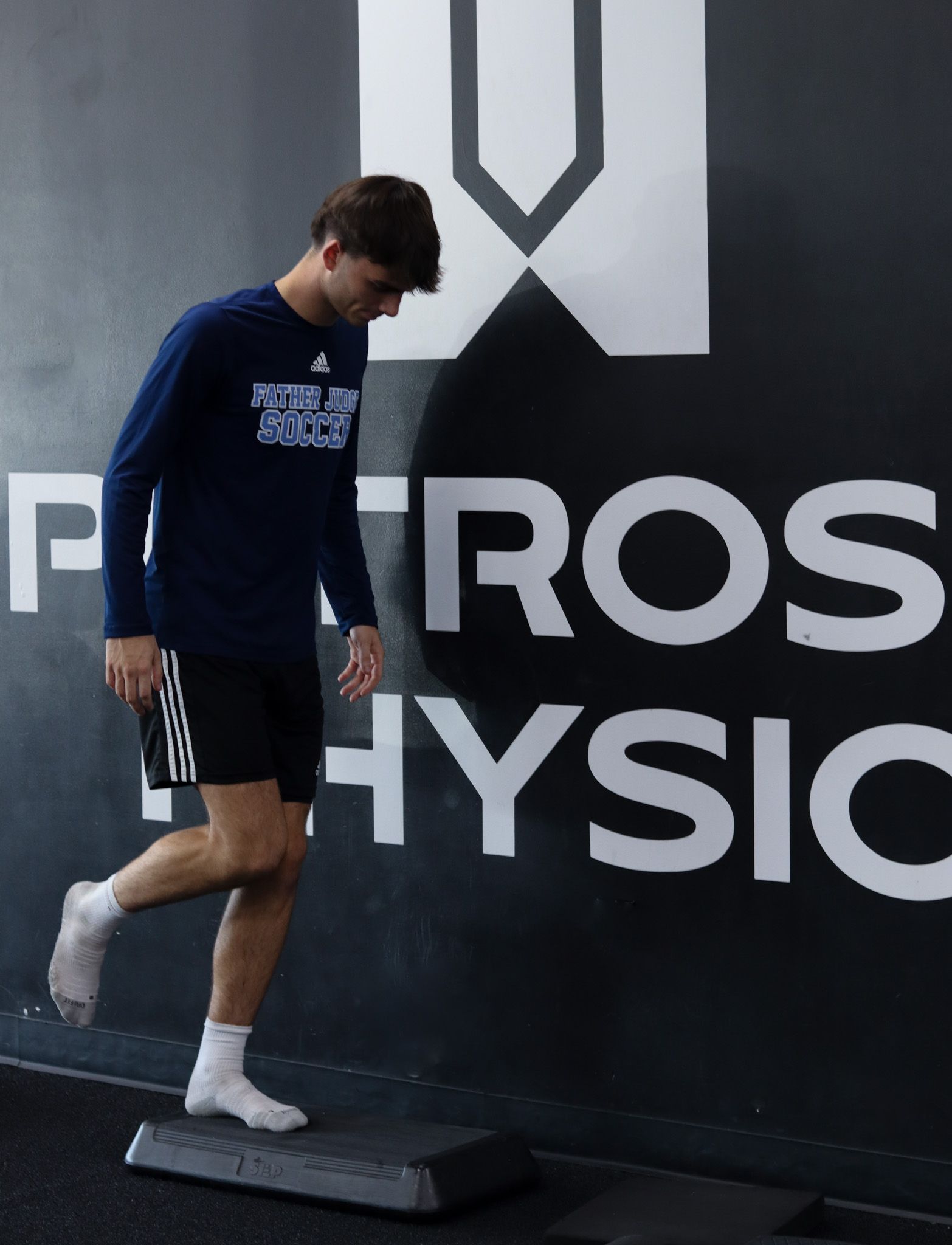
Mike Regan is a high-level high school soccer player entering a critical stage in his athletic career. With college recruiting season approaching, his performance over the summer would determine whether he secured a spot on a collegiate roster. His position demands rapid change of direction, explosiveness, and confident deceleration under pressure.

Soccer Player
What was the challenge?
During the final game of his high school season, Mike rolled his ankle and immediately experienced bruising, swelling, and significant pain, clear signs of a high-grade lateral ankle sprain.
He struggled with:
Severe swelling and rapid loss of motion
Pain with walking and loading
Loss of stability and confidence in cutting or sprinting
Rushing a return or poorly managing this injury risked chronic instability, reduced speed, and long-term performance limitations, especially for an athlete entering recruitment.
What was our process?
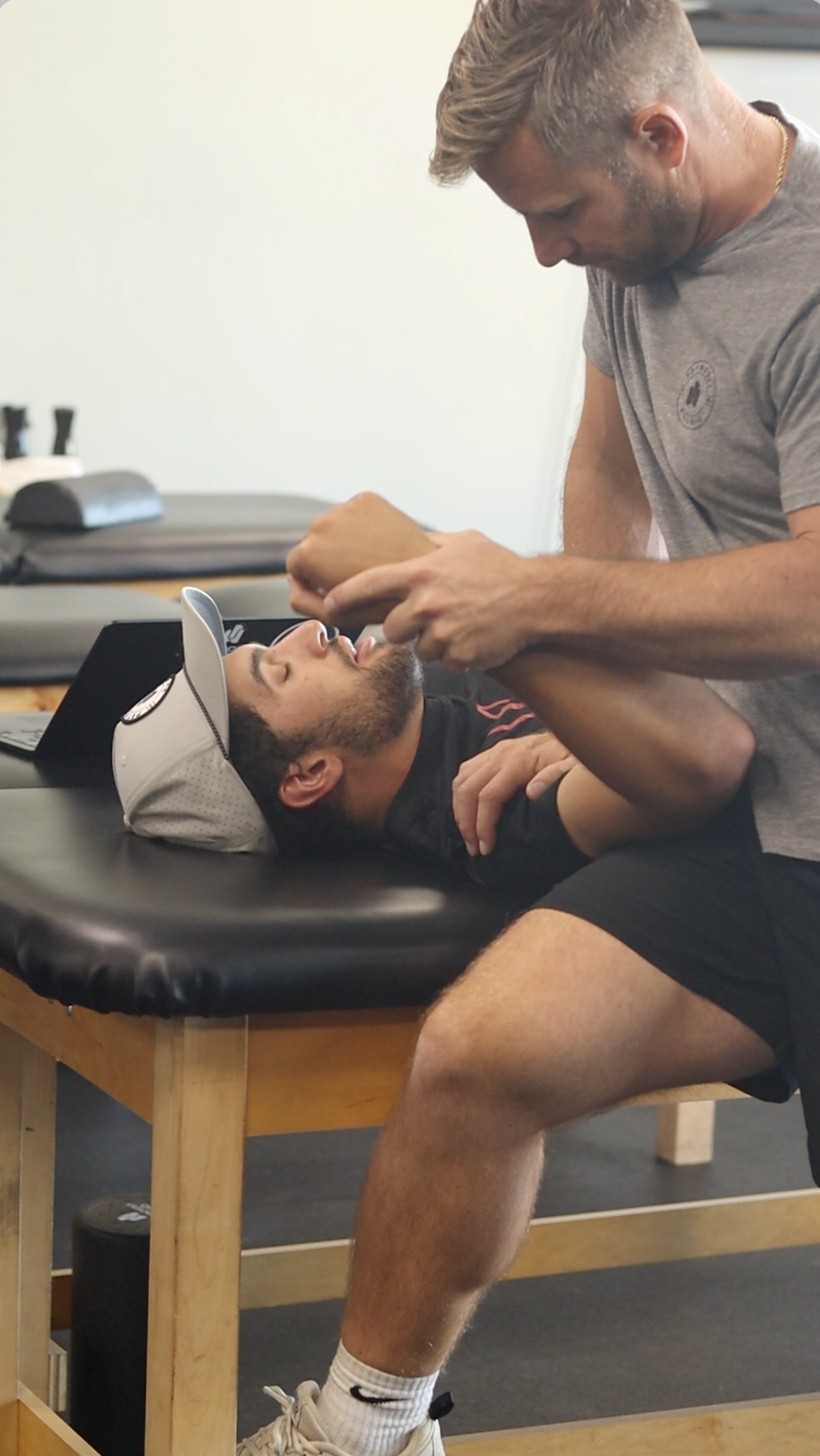
We followed a structured return-to-sport ankle rehabilitation model used with elite athletes.
Step 1: Precise Assessment
We began by:
Identifying the mechanism of injury
Ruling out fracture risk using Ottawa criteria
Assessing ligament integrity once swelling allowed
Establishing baseline range of motion, swelling, and strength metrics
This allowed progress to be tracked objectively and ensured safe progression.
Step 2: Early Management and Swelling Control
Because swelling significantly affects joint position sense and neuromuscular control, the early phase focused on:
Restoring normalized gait
Controlled loading
Reducing swelling
Early proprioception work
The goal: restore normal movement patterns quickly while protecting healing structures.
Step 3: Neurocognitive and Sensorimotor Restoration
Research shows that ankle sprains impact not only the joint, but also motor-control pathways in the brain. To address this, we implemented:
Joint-position retraining
High-tension isometrics
Balance and visual-motor drills
Implicit and differential learning strategies
This step ensured durability, not just pain reduction.
Step 4: Strength, Stability, and Plyometrics
Once motion and swelling improved, we progressed toward evidence-based strength targets, including:
Gastrocnemius and soleus loading (seated and standing)
Inversion/eversion strength ratio training
Intrinsic and FHL strengthening
Controlled plyometrics for deceleration and directional change
All progression was guided by objective testing, not time-based assumptions.
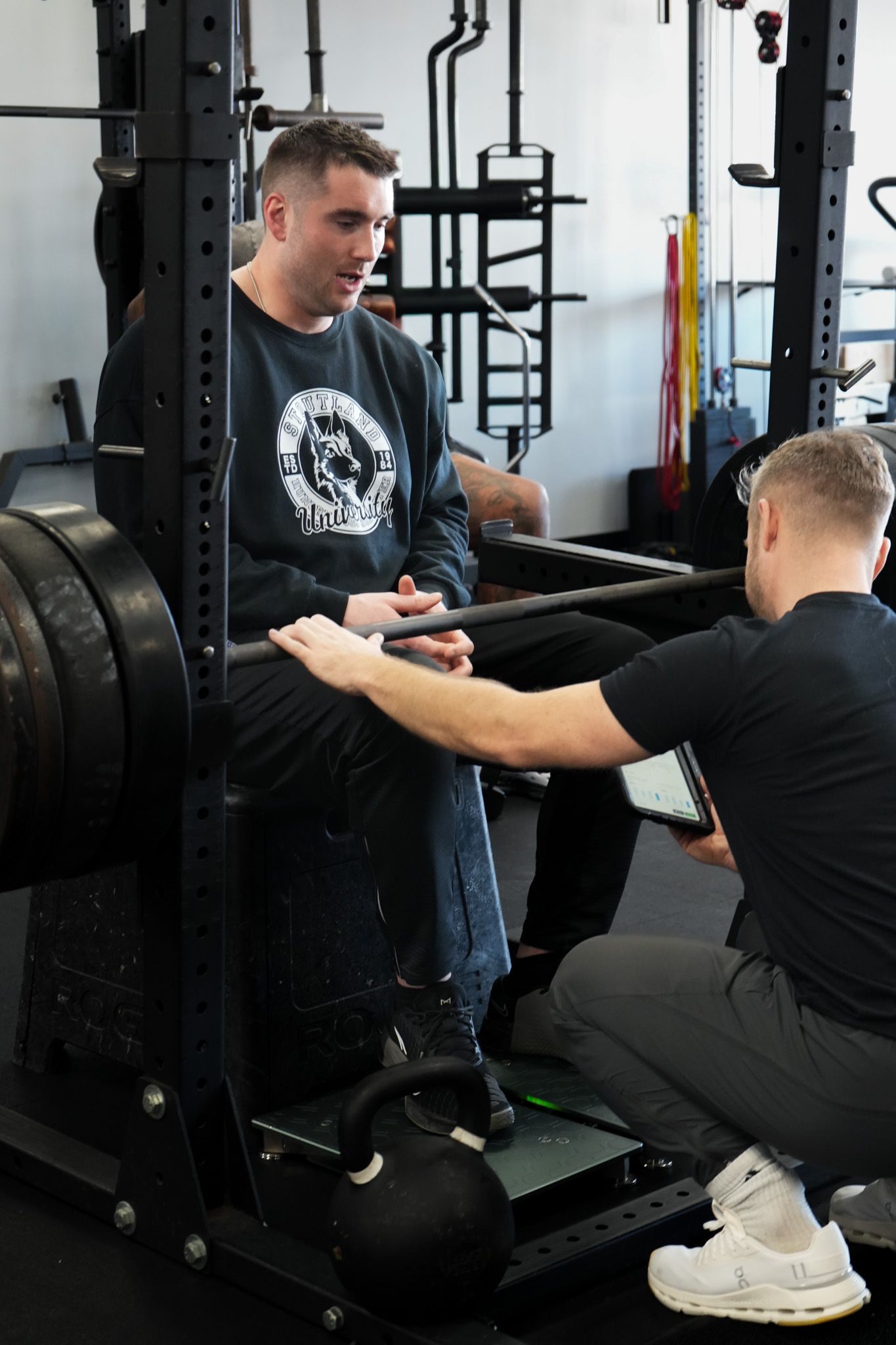
Step 5: Return-to-Play Testing
Before returning to competition, Mike completed:
Hop-testing and stabilization tasks
Multi-planar cutting drills
Reactive movement progressions
Soccer-specific agility work at game speed
This ensured confidence, strategy, and mechanics matched the demands of his sport.
Where is he now?
Mike returned in time for the summer showcase season, performed confidently in front of recruiting programs, and ultimately committed to West Chester University.
His outcome wasn’t the result of rest or luck, it was a structured progression, objective data, and a return-to-sport model built to protect performance and long-term athletic development.
We create individualized recovery plans after injuries like ACL tears, shoulder surgeries, and muscle strains to help you safely return to sport and daily life.
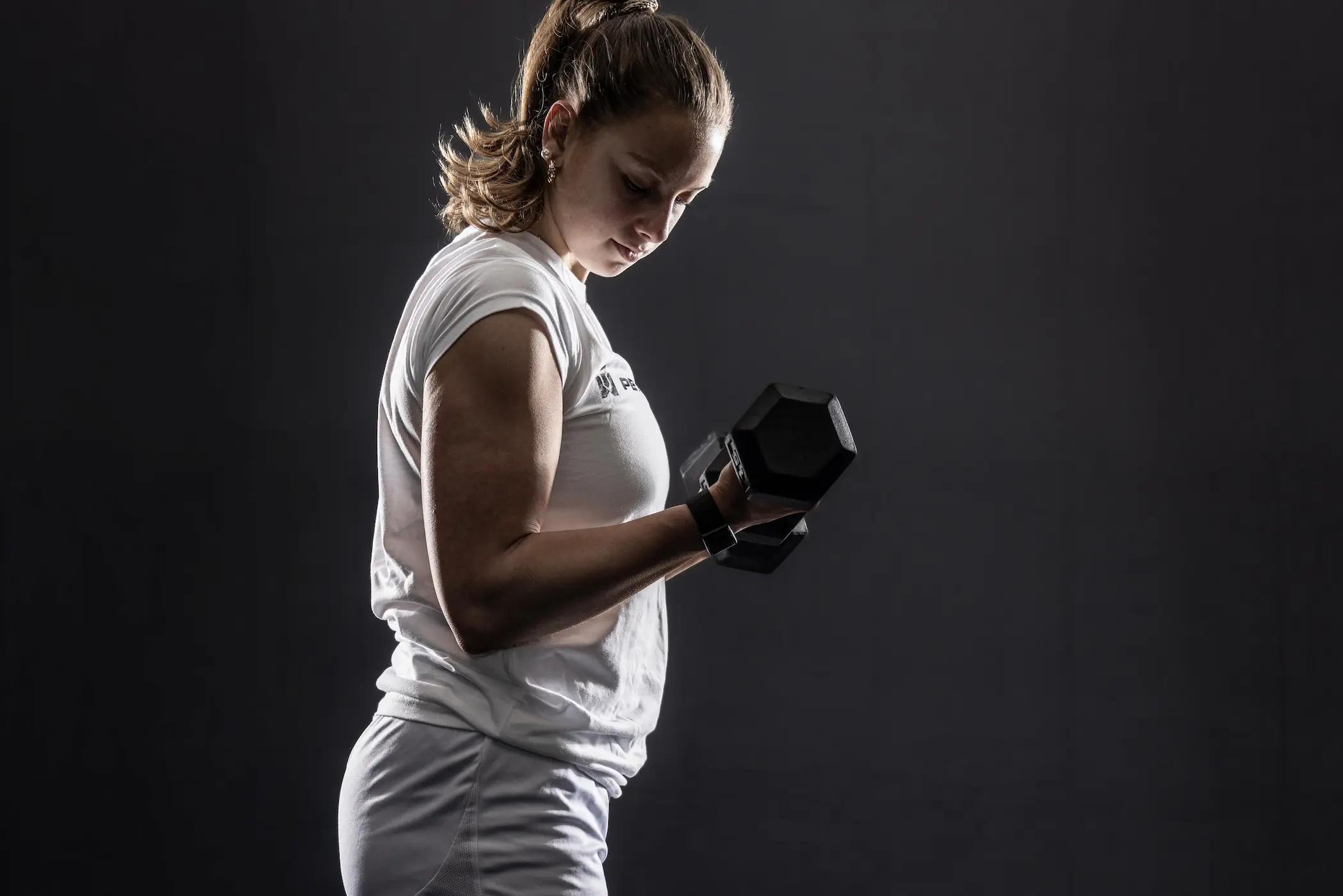
We help athletes rebuild strength and movement after common injuries like rotator cuff issues, tendinitis, and ligament sprains so you can perform with confidence again.
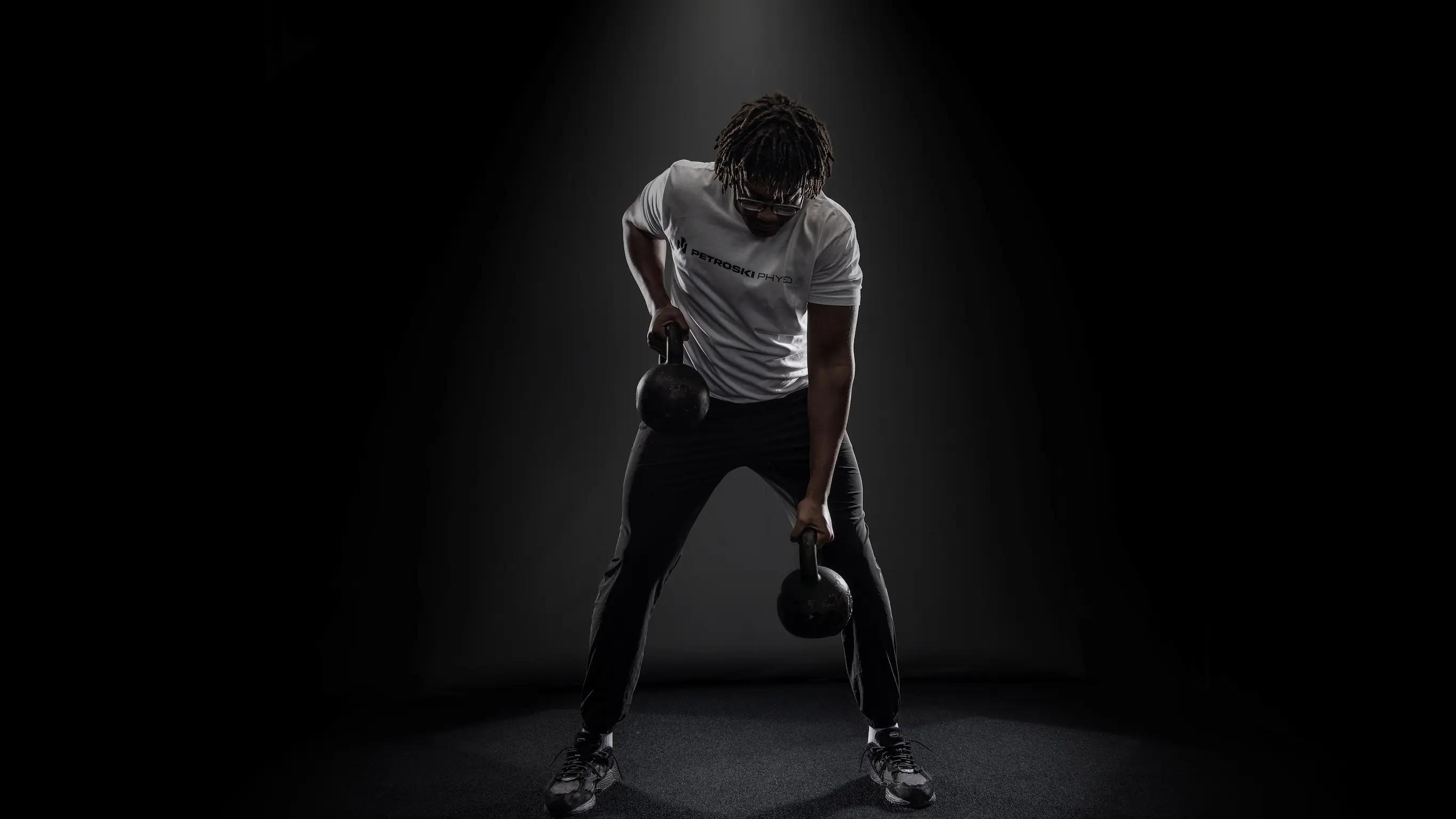
We guide you through every phase of recovery — from post-surgery rehab to performance training — so you don’t just return, you come back stronger.
Recovery Stories
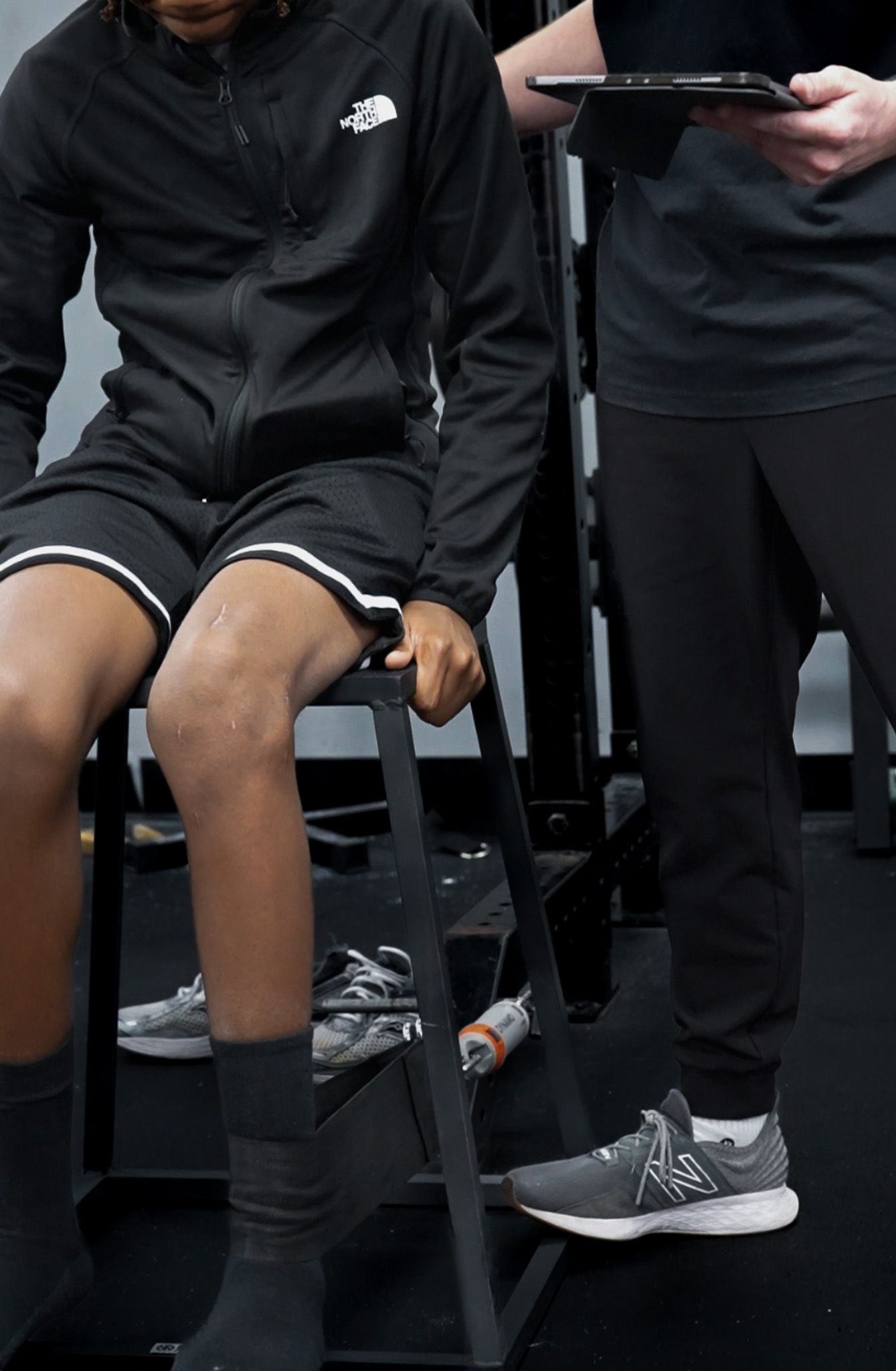
Chronic Patellar Tendinopathy: Restoring NBA-Level Knee Capacity
Rebuilding tendon capacity to restore performance from chronic knee pain.
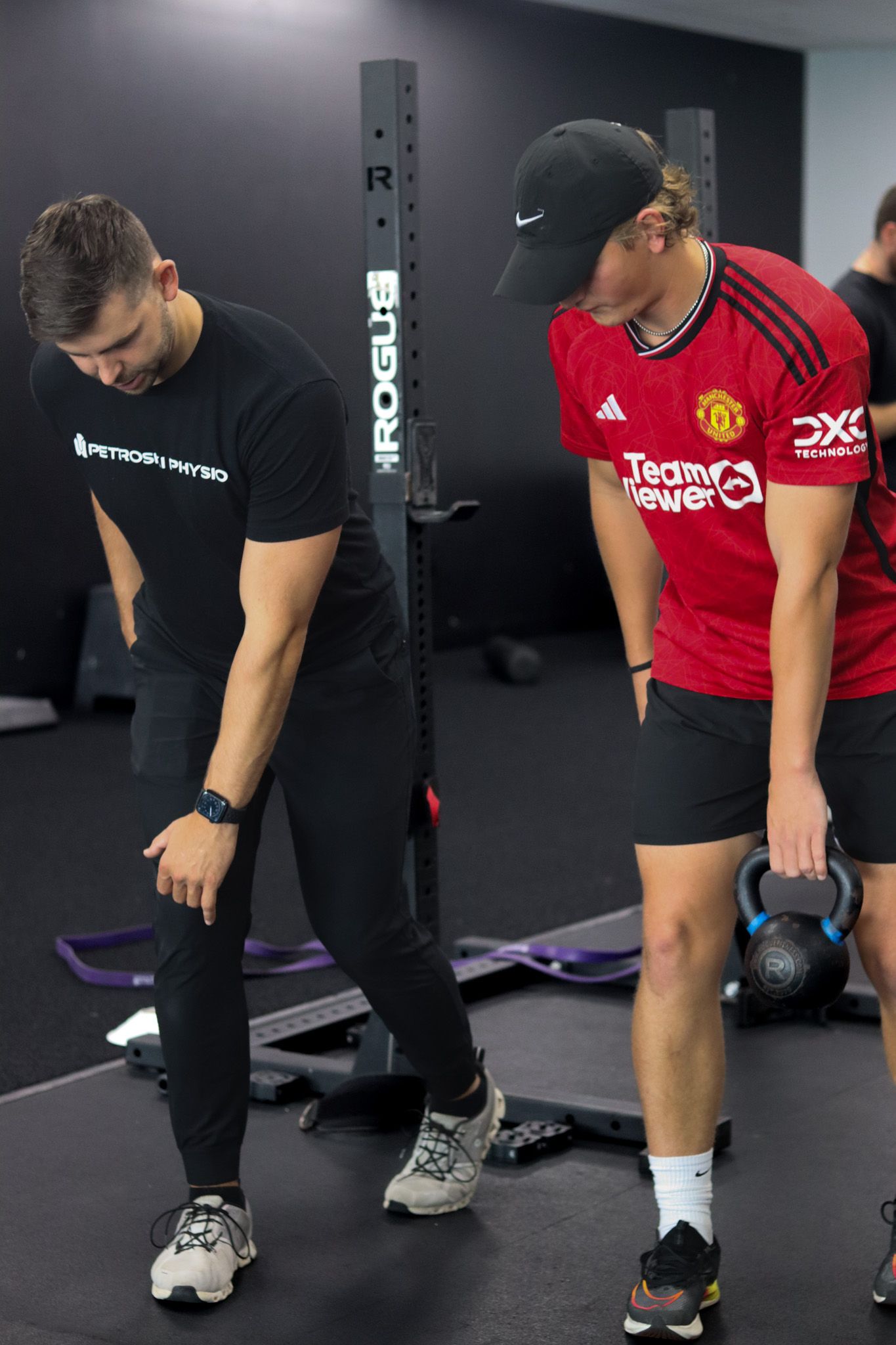
Patellar Tendinopathy: Returning for a Critical Senior Season
Stronger for recruitment after overcoming patellar tendon pain.
Chronic Patellar Tendinopathy: Restoring NBA-Level Knee Capacity
Rebuilding tendon capacity to restore performance from chronic knee pain.
Patellar Tendinopathy: Returning for a Critical Senior Season
Stronger for recruitment after overcoming patellar tendon pain.
Rehab, different.
Not a clinic. Not a gym.
A place built for progress.
A team built for performance.
A culture built for you.