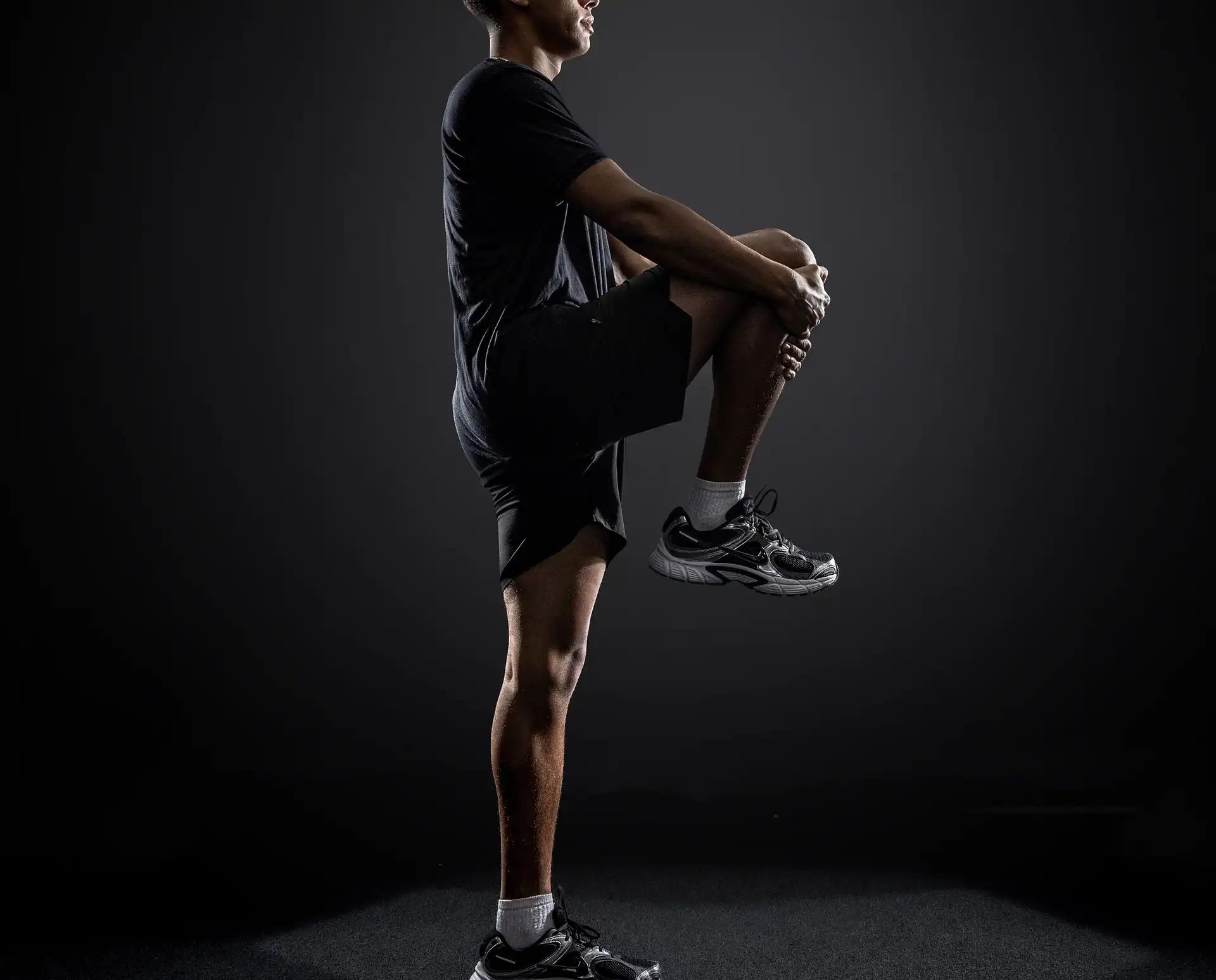
Martial arts
From Acute Back Injury to Fight-Ready
Rapid, targeted rehab helped an MMA fighter move from severe acute back pain to fight-ready performance in just weeks.
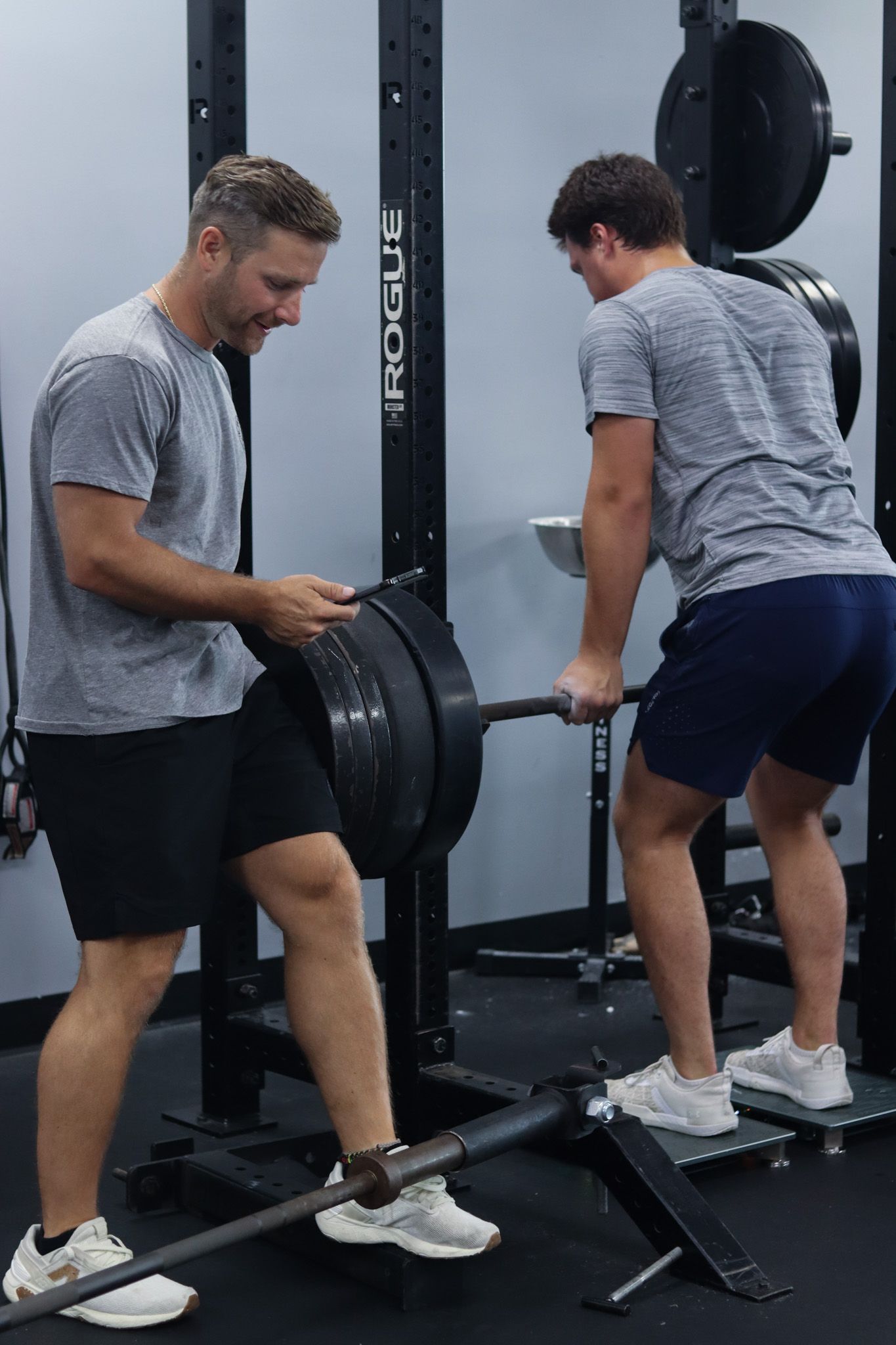
Nick Petroski, DPT, Petroski Physio
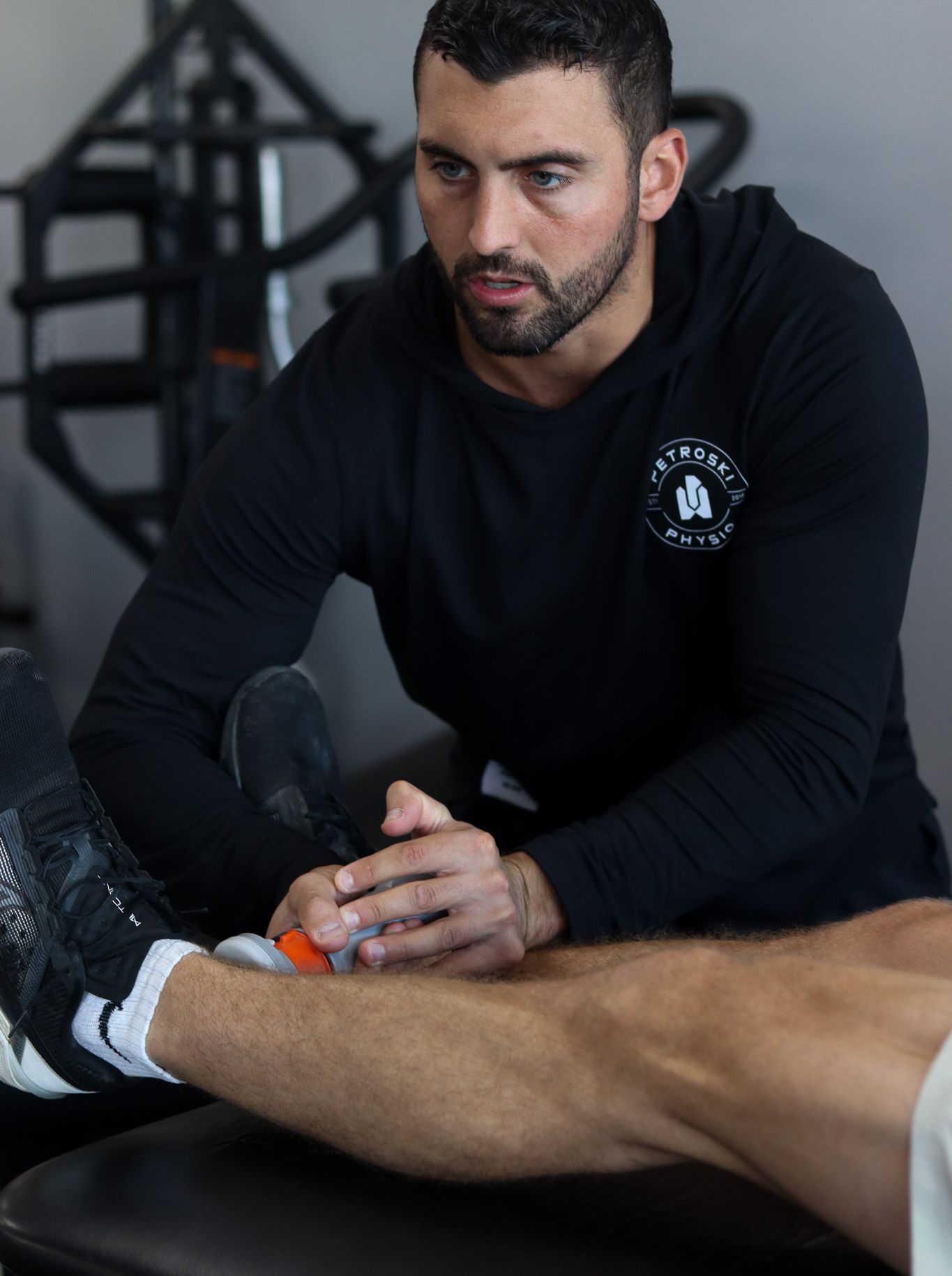
Meet the Athlete
Kyle Daukaus is a professional mixed martial artist competing at the highest level of the sport. His training demands repeated high-load lifting, rotational power, explosive hip drive, and full-body control under fatigue. Low back function is critical not only for performance, but for safety in the cage.

Kyle Daukaus
MMA Fighter
What was the challenge?
When Kyle came into the clinic, this was not a mild flare-up or routine stiffness.
He was deadlifting and performing medicine ball carries when he felt a pop in his low back. At the time, he was able to walk it off and finish the day. The next morning, everything changed.
He could barely get out of bed. His gait was guarded, bending was difficult, and he was experiencing symptoms down both legs. Training in that state, especially with a fight approaching, was not an option.
The immediate concerns were clear:
Severe low back pain with neural symptoms
Guarded movement and limited spinal motion
A short window to restore function without escalating symptoms
This was not a situation where rest alone would solve the problem.
What was our process?
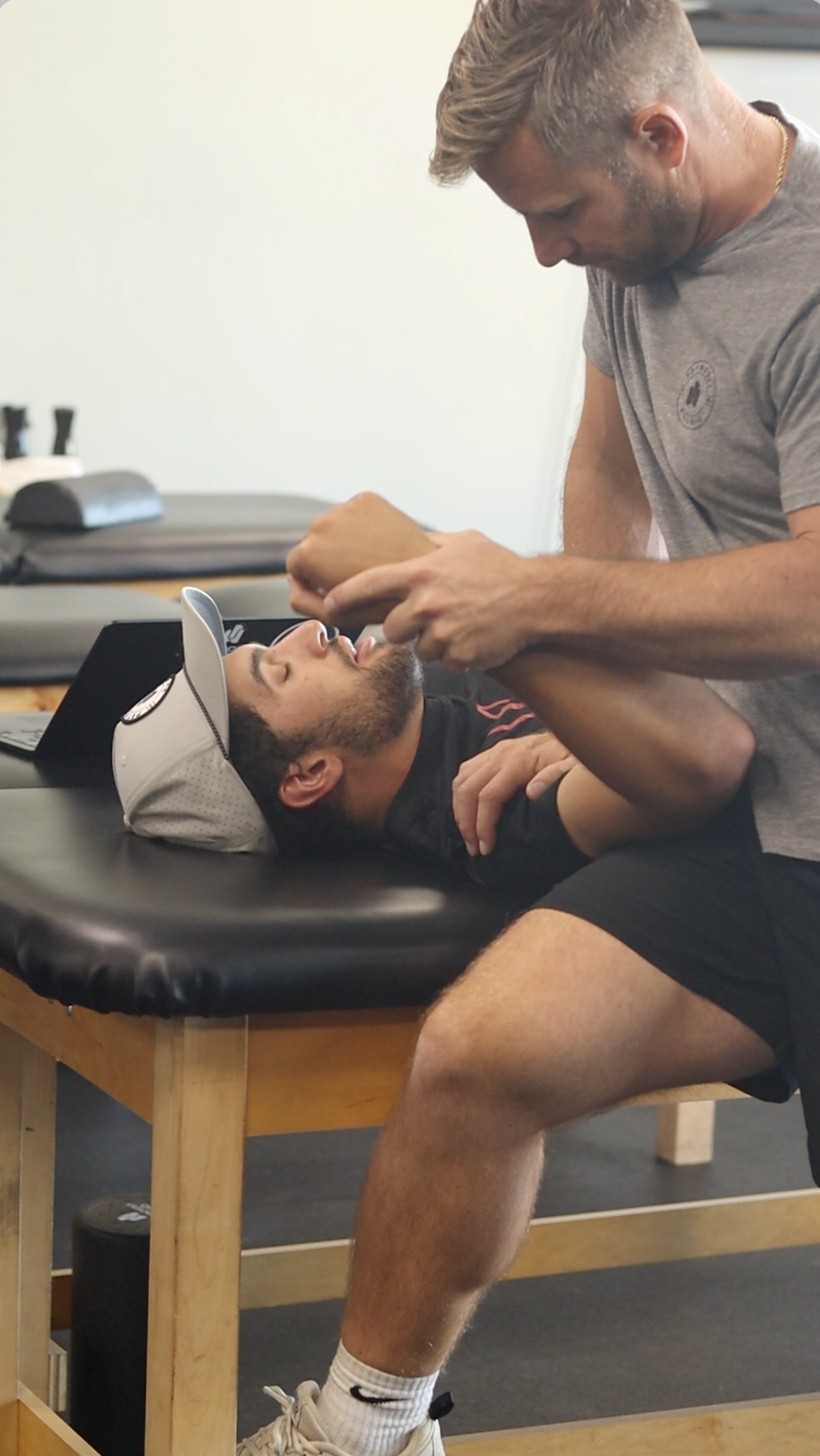
We began with a comprehensive evaluation to determine what actually needed to change.
Strength testing was reassuring. There were no clear motor deficits and no red flags suggesting a surgical issue. What stood out was significant neural tension and a low back that had essentially locked itself down in a protective state.
Step 1: Calm the System and Restore Motion
The first session was not about loading or forcing progress.
We focused on:
Decompressing the lumbar spine
Exposing the back to pain-free movement
Reintroducing basic core isometrics
Pelvic tilts and controlled hip motion
The goal was to get the hips rotating again, allow the spine to move, and signal to the nervous system that movement was safe.
Step 2: Layer Load With Intent
As symptoms began to settle, we progressed quickly but deliberately.
Over the next two to three sessions, we:
Gradually increased loading demands
Introduced graded exposure to movement
Closely monitored symptom response
This approach aligns with current evidence for acute low back pain: early, controlled movement, avoiding unnecessary rest, and rebuilding tolerance rather than chasing pain relief.
Step 3: Transition Back to Training
The turnaround was rapid.
Kyle came in on a Friday, and by the following Thursday he reported feeling close to 100 percent. At that point, we sent him home with a very specific routine to maintain progress and allowed him to transition back into full MMA training over the following weeks.
Where is he now?
Kyle returned to training and went on to compete shortly after, performing at the level expected of an elite fighter.
This outcome was not about gimmicks or overcomplicating the process. It came from understanding the difference between tissue injury and nervous system sensitivity, respecting spinal biology, and applying the right amount of stress at the right time.
For high-level athletes like Kyle, the goal is not just getting out of pain. It is returning to training with confidence, speed, and zero hesitation.
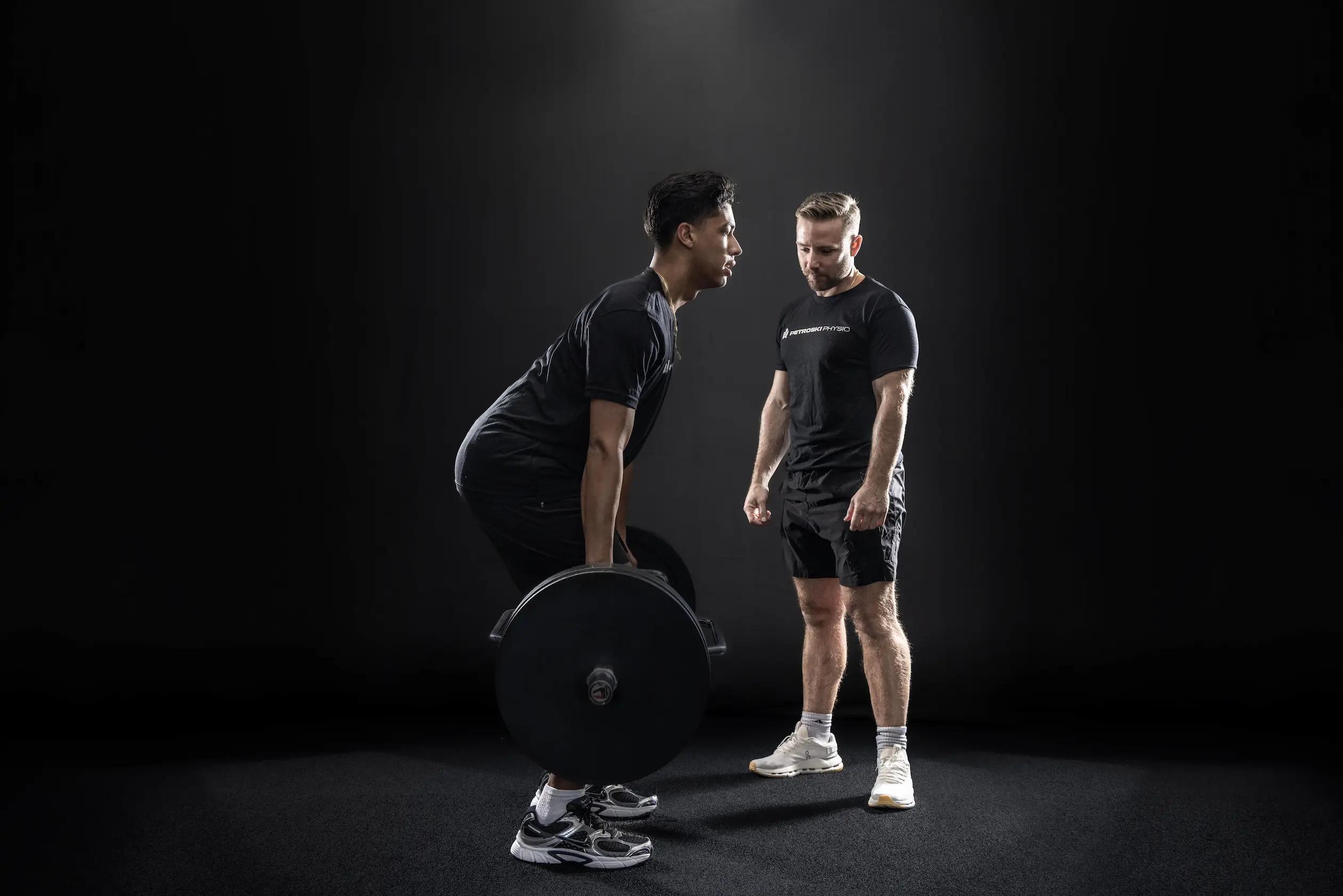
We create individualized recovery plans after injuries like ACL tears, shoulder surgeries, and muscle strains to help you safely return to sport and daily life.
We help athletes rebuild strength and movement after common injuries like rotator cuff issues, tendinitis, and ligament sprains so you can perform with confidence again.
We guide you through every phase of recovery, from post-surgery rehab to performance training, so you don’t just return, you come back stronger.
Recovery Stories
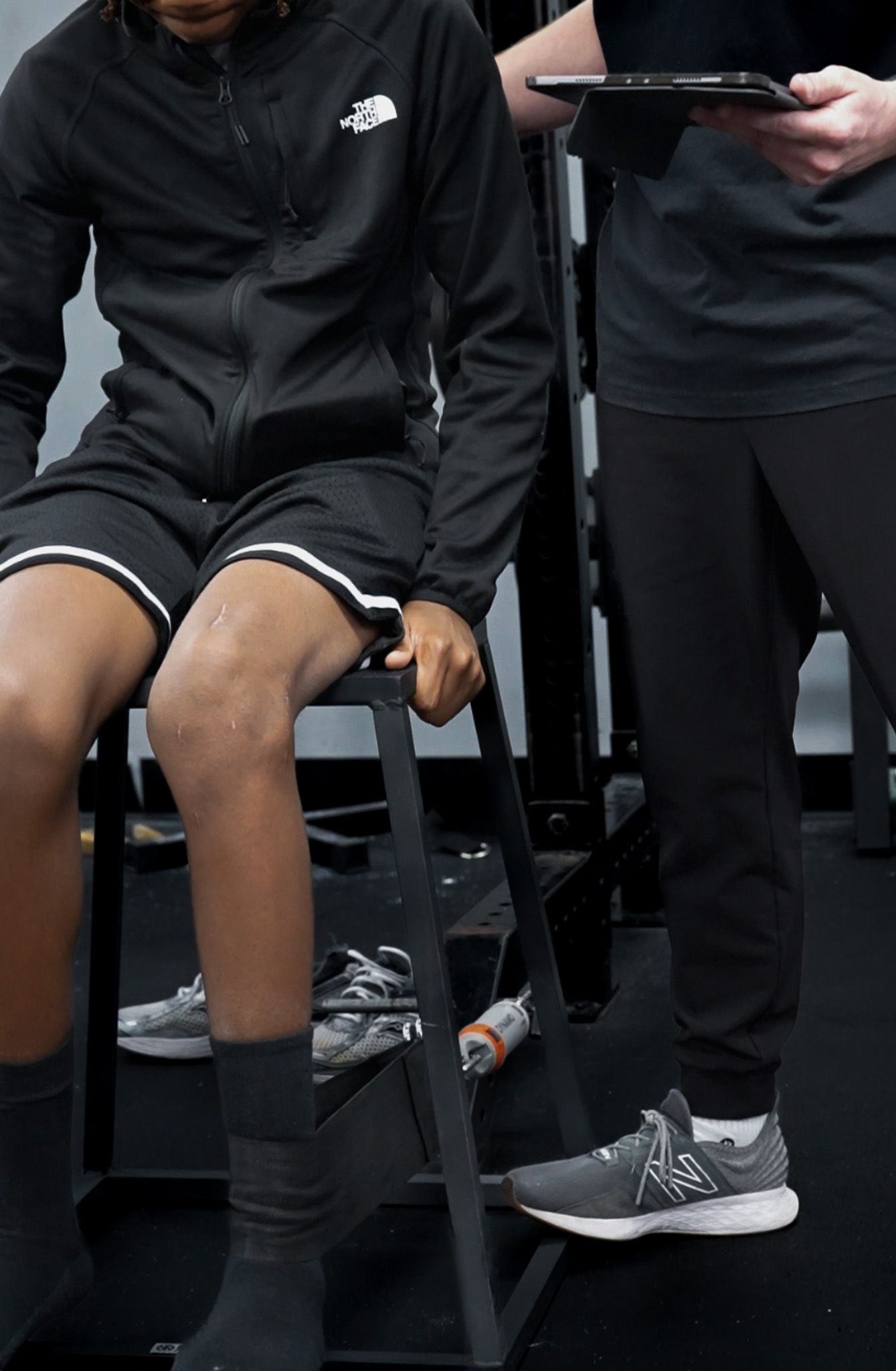
Chronic Patellar Tendinopathy: Restoring NBA-Level Knee Capacity
Rebuilding tendon capacity to restore performance from chronic knee pain.
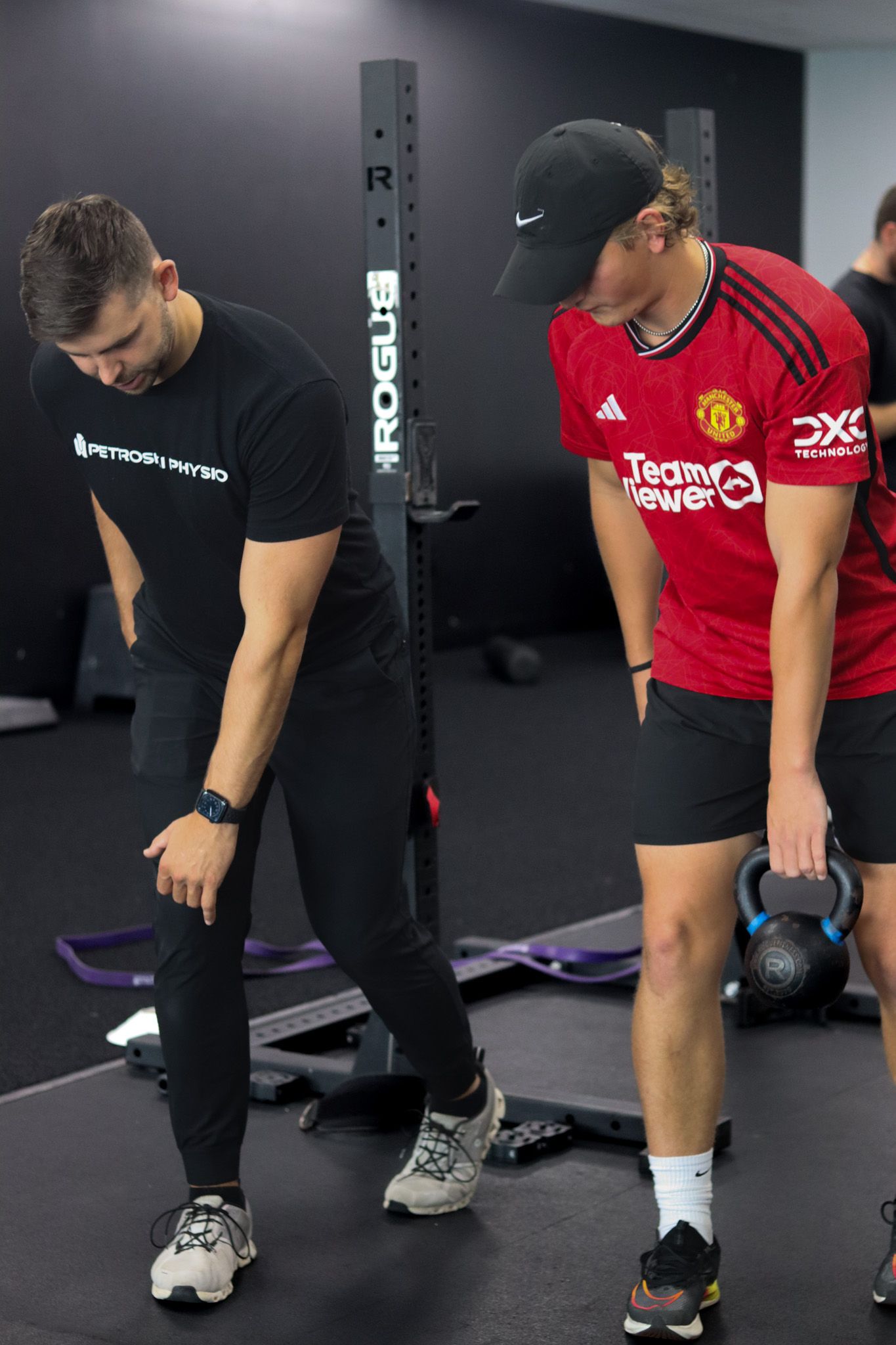
Patellar Tendinopathy: Returning for a Critical Senior Season
Stronger for recruitment after overcoming patellar tendon pain.
Chronic Patellar Tendinopathy: Restoring NBA-Level Knee Capacity
Rebuilding tendon capacity to restore performance from chronic knee pain.
Patellar Tendinopathy: Returning for a Critical Senior Season
Stronger for recruitment after overcoming patellar tendon pain.
Rehab, different.
Not a clinic. Not a gym.
A place built for progress.
A team built for performance.
A culture built for you.