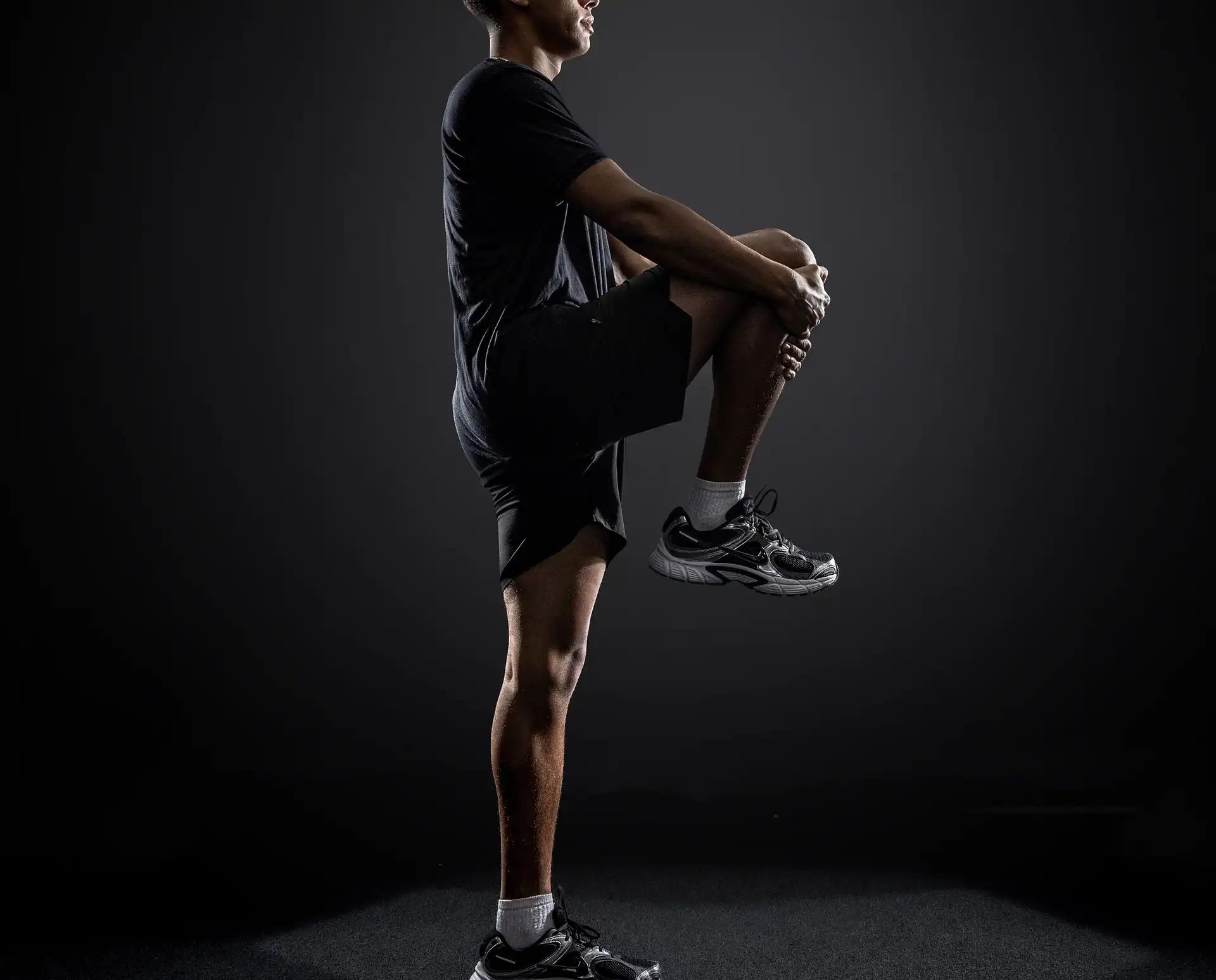
Chronic Patellar Tendinopathy: Restoring NBA-Level Knee Capacity
How we guided a determined basketball player, Colleen from Archbishop Wood HS, from a season-ending ACL tear back to the court
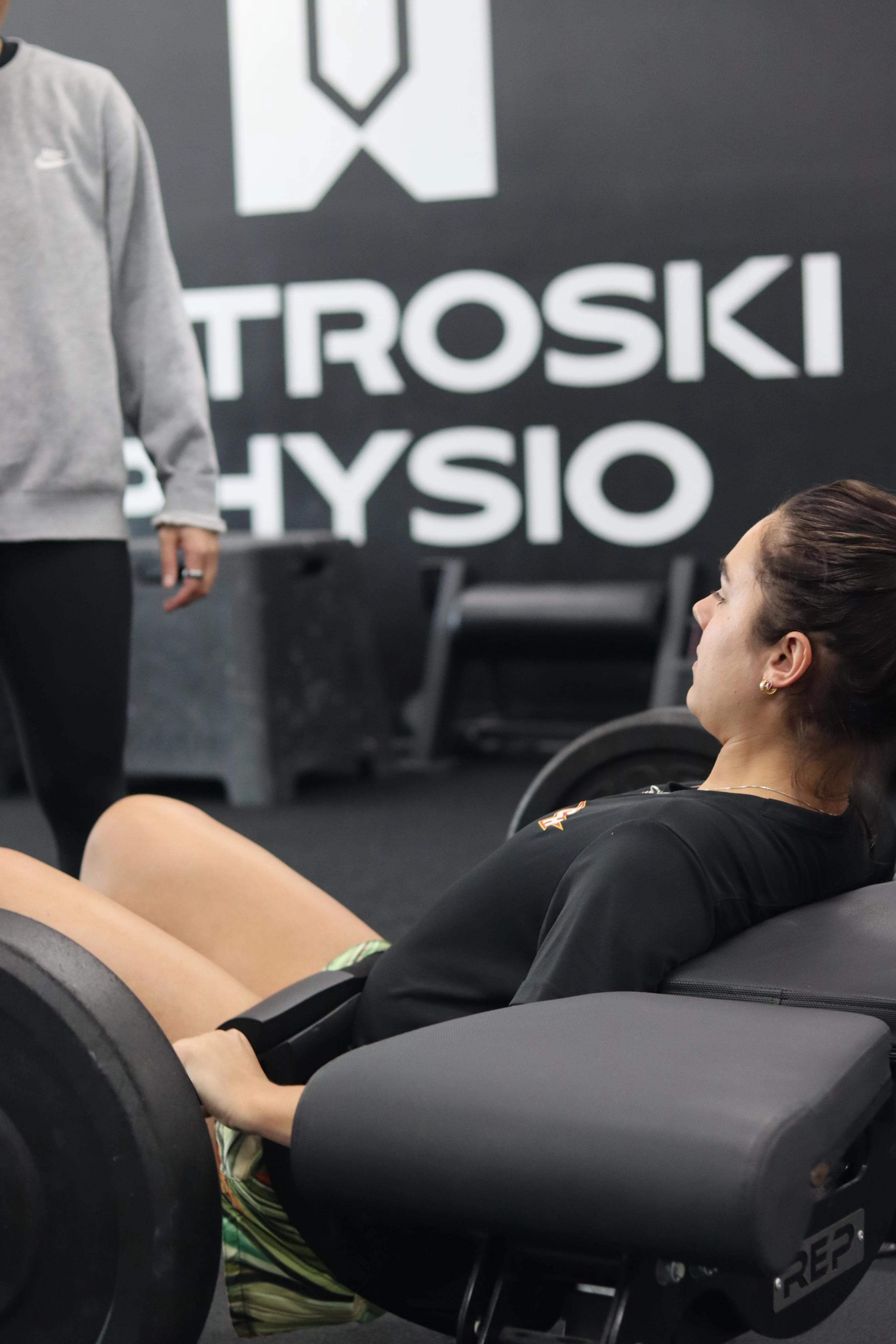
Nick Petroski, DPT, Petroski Physio
What was the challenge?
Chronic patellar tendinopathy is one of the most frustrating conditions we see in high-level basketball players, not just because of pain, but because tendons are often misunderstood.
When this athlete came to us, he was not dealing with a new injury. He had been managing symptoms for a long time. His knee had become unpredictable. Some days were tolerable, others were limiting, and warm-ups did not reliably improve how the knee felt.
He was not broken, but his tendon’s capacity no longer matched the demands of NBA basketball.
Key challenges included:
Chronic, fluctuating knee pain
Poor tolerance to high-speed and eccentric loading
Inconsistent performance and confidence during play
A tendon that could not reliably handle game-level demands
Rest alone was not the answer. The problem was not pain, it was capacity.
What was our process?
At the center of this case was understanding what the patellar tendon is designed to do.
The patellar tendon is an energy storage tendon. Its job is to stretch, store, and release force during high-speed movements like jumping, landing, and decelerating. When cumulative load exceeds the tendon’s current adaptive capacity, whether from game volume, travel, practice density, or prior under-loading, the tendon begins to fail at managing stress. Over time, this presents as tendinopathy.
This athlete’s presentation was consistent with a chronic, degenerative tendinopathy, which meant the solution was not rest, injections, or random exercise selection. The solution was rebuilding tendon capacity, objectively and progressively.
Step 1: Establish a True Baseline
We began by removing guesswork.
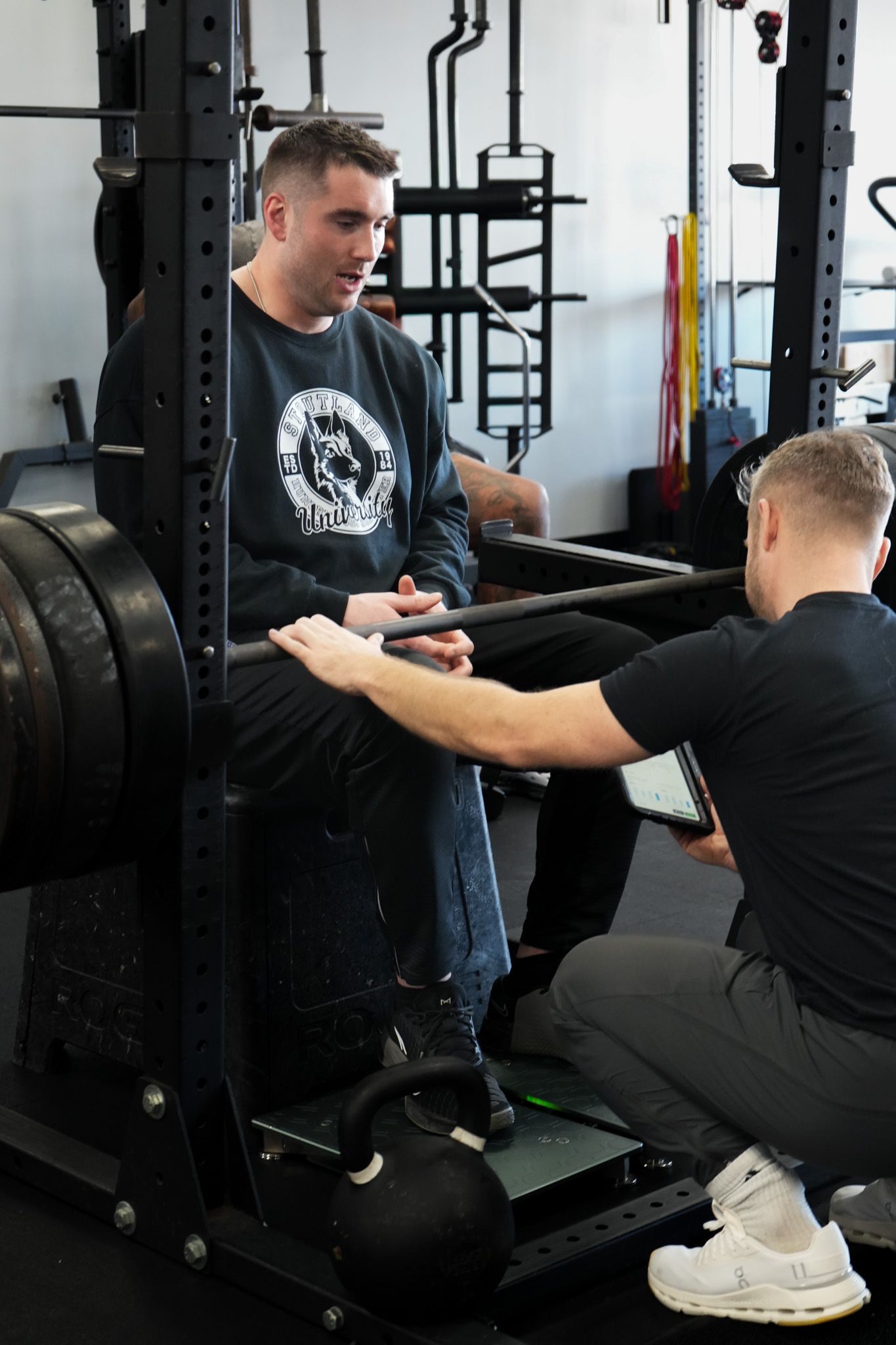
Using VALD Performance equipment, we assessed:
Force production and asymmetries
Rate of force development
Tolerance to sustained isometric loading
Output relative to basketball-specific demands
Symptoms alone do not tell the full story. Tendons respond to load, not pain scores. Testing revealed suppressed force production, poor tolerance to sustained loading, and clear deficits relative to NBA-level requirements.
Step 2: Restore Capacity and Reduce Sensitivity
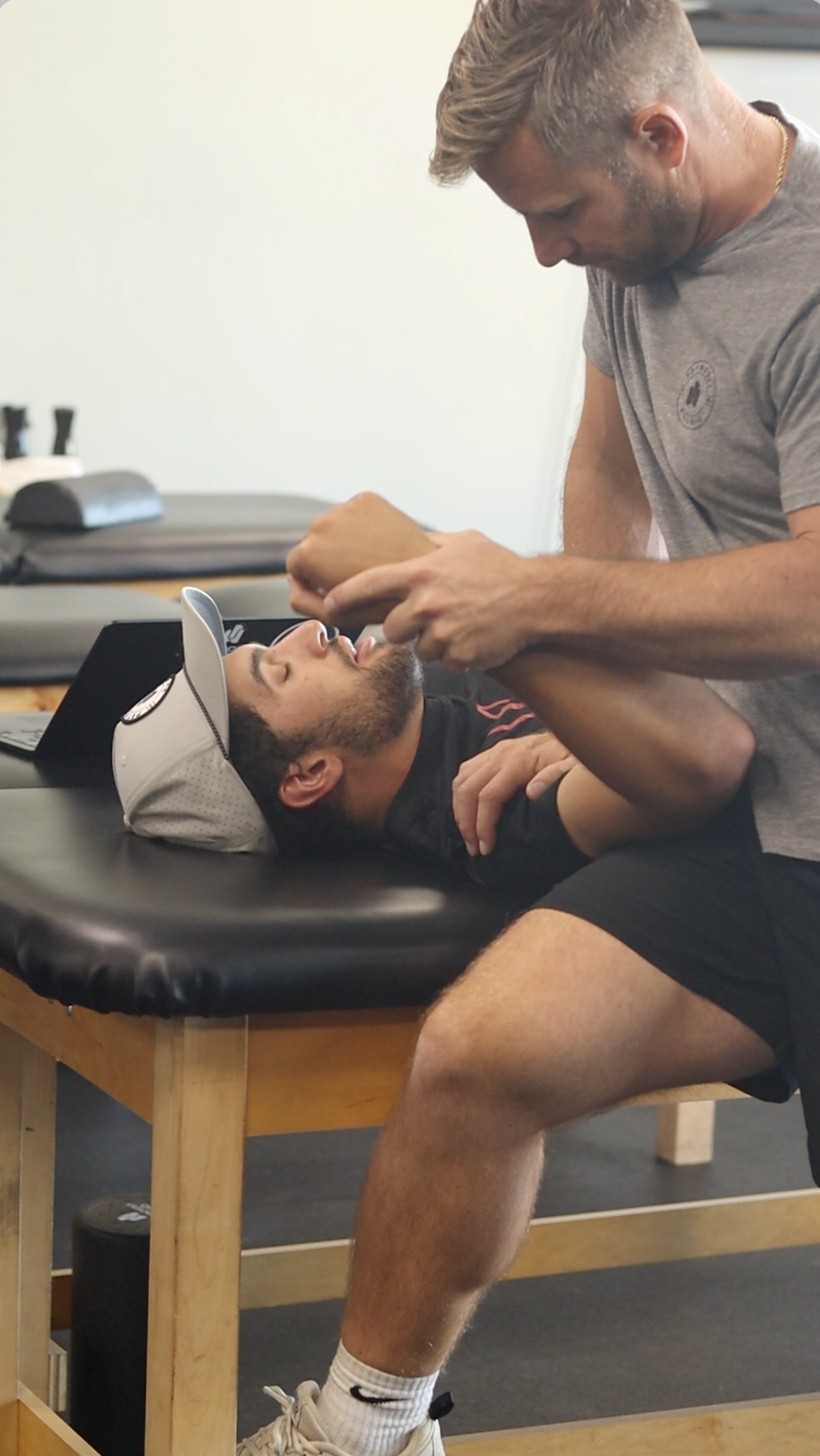
Early rehab focused on pain control and restoring neural drive.
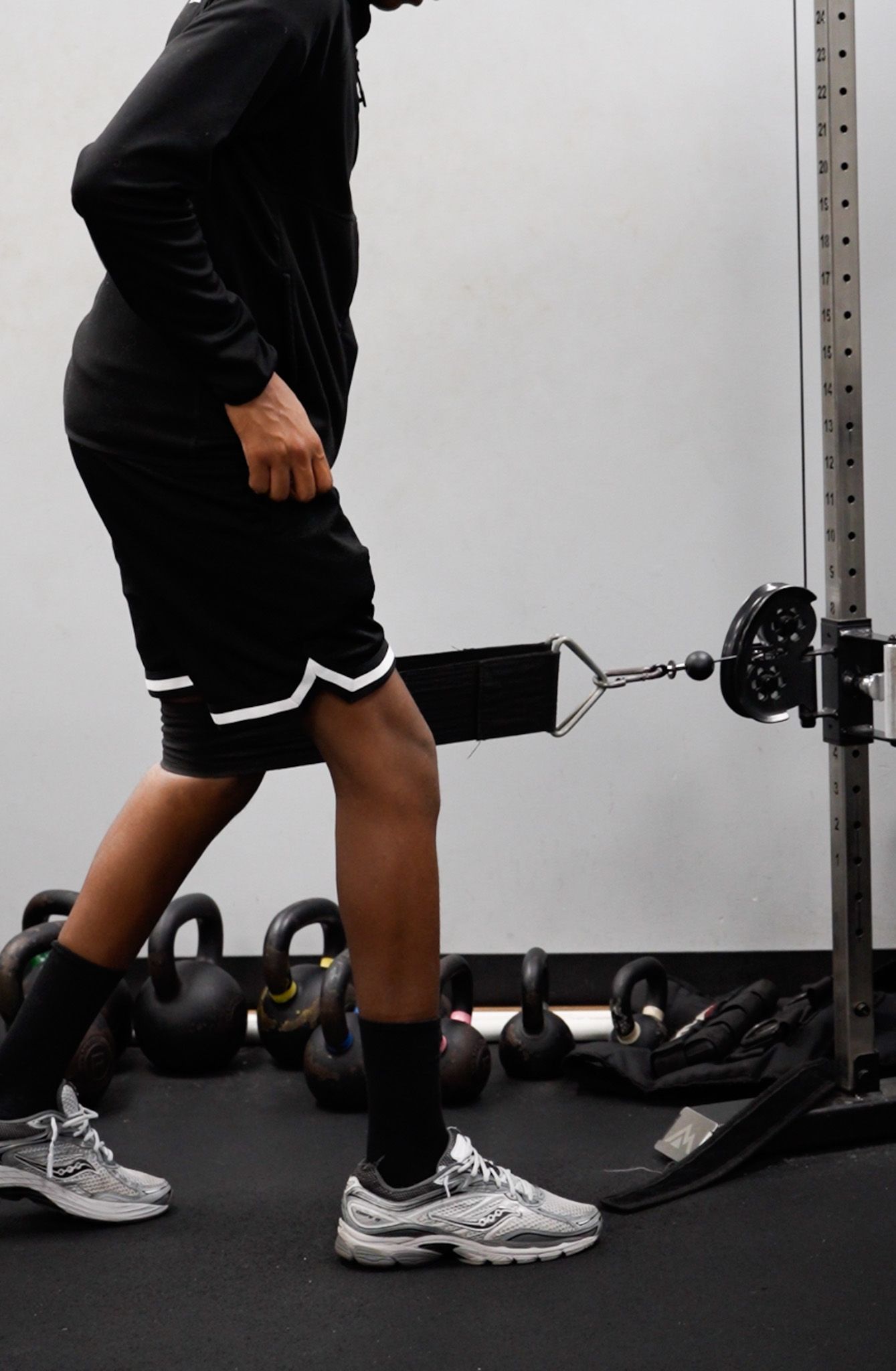
Isometric loading was our entry point, not because it is trendy, but because heavy isometrics have a well-documented analgesic effect and help reduce cortical inhibition. We used targeted positions such as split squat and knee extension isometrics, progressively loading well above 70 percent of estimated maximum.
Lighter loading would not have created the mechanical signal necessary to drive tendon adaptation, especially in an energy storage tendon like the patellar tendon.
As force output improved and symptoms stabilized on repeat testing, we progressed to the next phase.
Step 3: Prepare the Tendon for Speed
Strength alone is not enough. Tendons must tolerate velocity.
We introduced:
Eccentric and eccentric–isometric loading patterns
Oscillatory loading
Controlled landing mechanics with increasing speed demands
Velocity was progressed deliberately, with close attention to objective outputs and next-day symptom response. Sessions were spaced to allow for net collagen synthesis rather than constant breakdown.
This phase is where many rehab programs fail, but it is where durable outcomes are built.
Step 4: Return to Basketball Demands
The final phase was no longer rehab. It was basketball preparation.
Loading progressed to match practice and game demands, including:
Repeated jumping
Deceleration and cutting
Reactive and multi-directional movement
Every increase in intensity was tied back to objective testing to ensure tendon capacity matched what the athlete was being asked to do on the court.
Where is he now?
The athlete returned to play with improved knee reliability, confidence, and tolerance to high-demand basketball activity.
There was no shortcut and no single magic exercise. What allowed this athlete to return was a phase-specific plan, objective decision-making, and respect for how tendons actually adapt.
Chronic patellar tendinopathy does not resolve with rest. It resolves when tissue capacity once again meets the demands of elite sport.
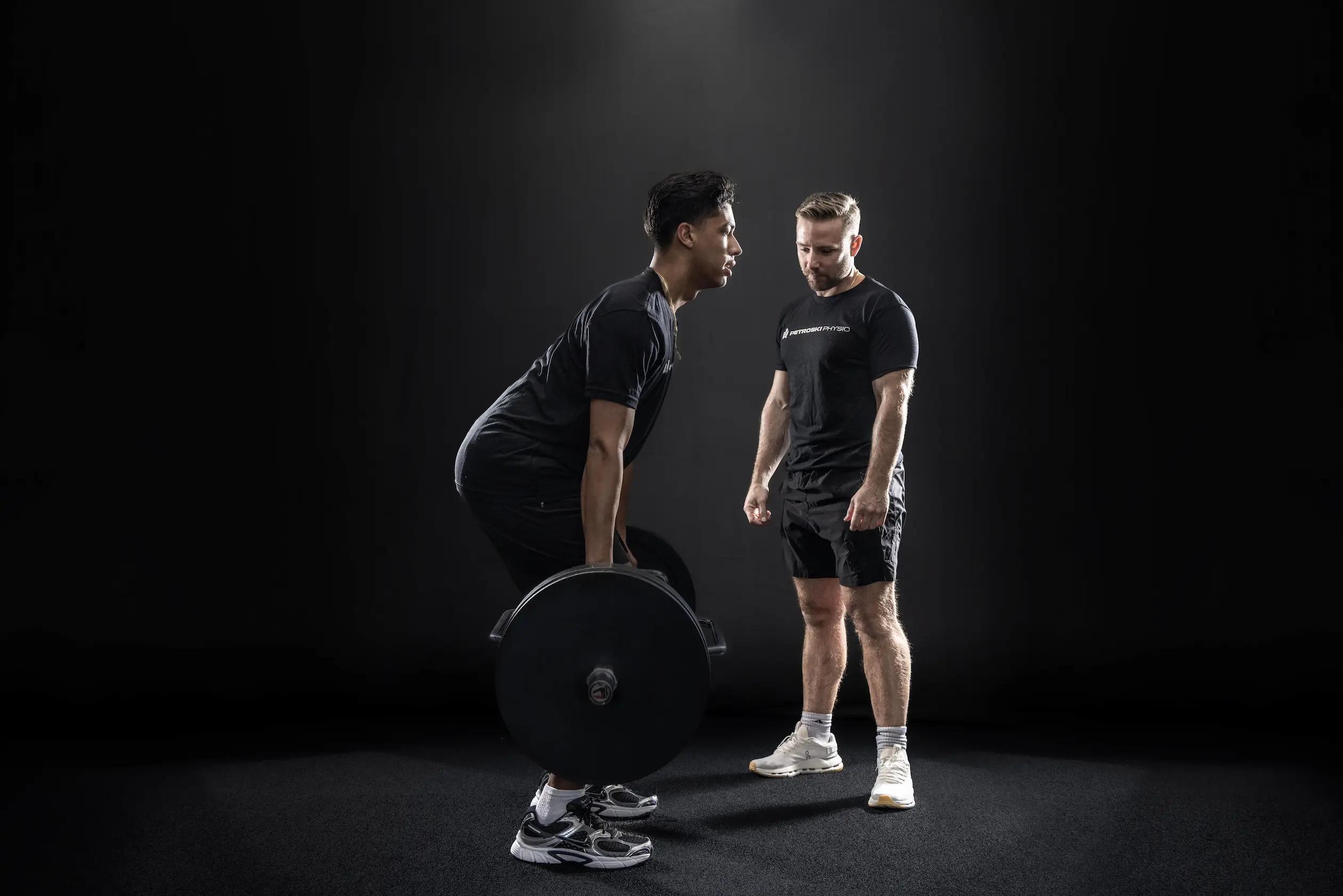
We create individualized recovery plans after injuries like ACL tears, shoulder surgeries, and muscle strains to help you safely return to sport and daily life.
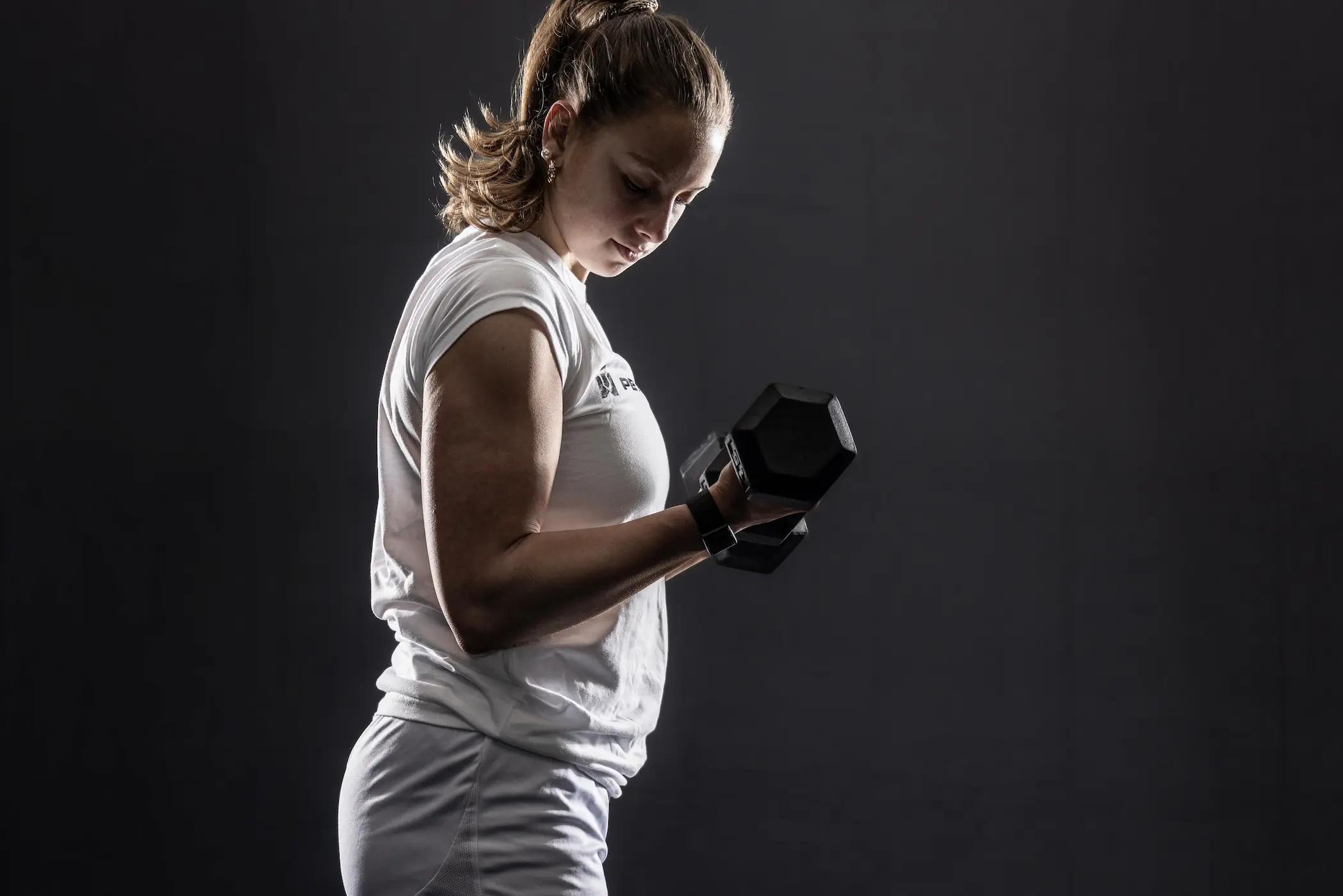
We help athletes rebuild strength and movement after common injuries like rotator cuff issues, tendinitis, and ligament sprains so you can perform with confidence again.
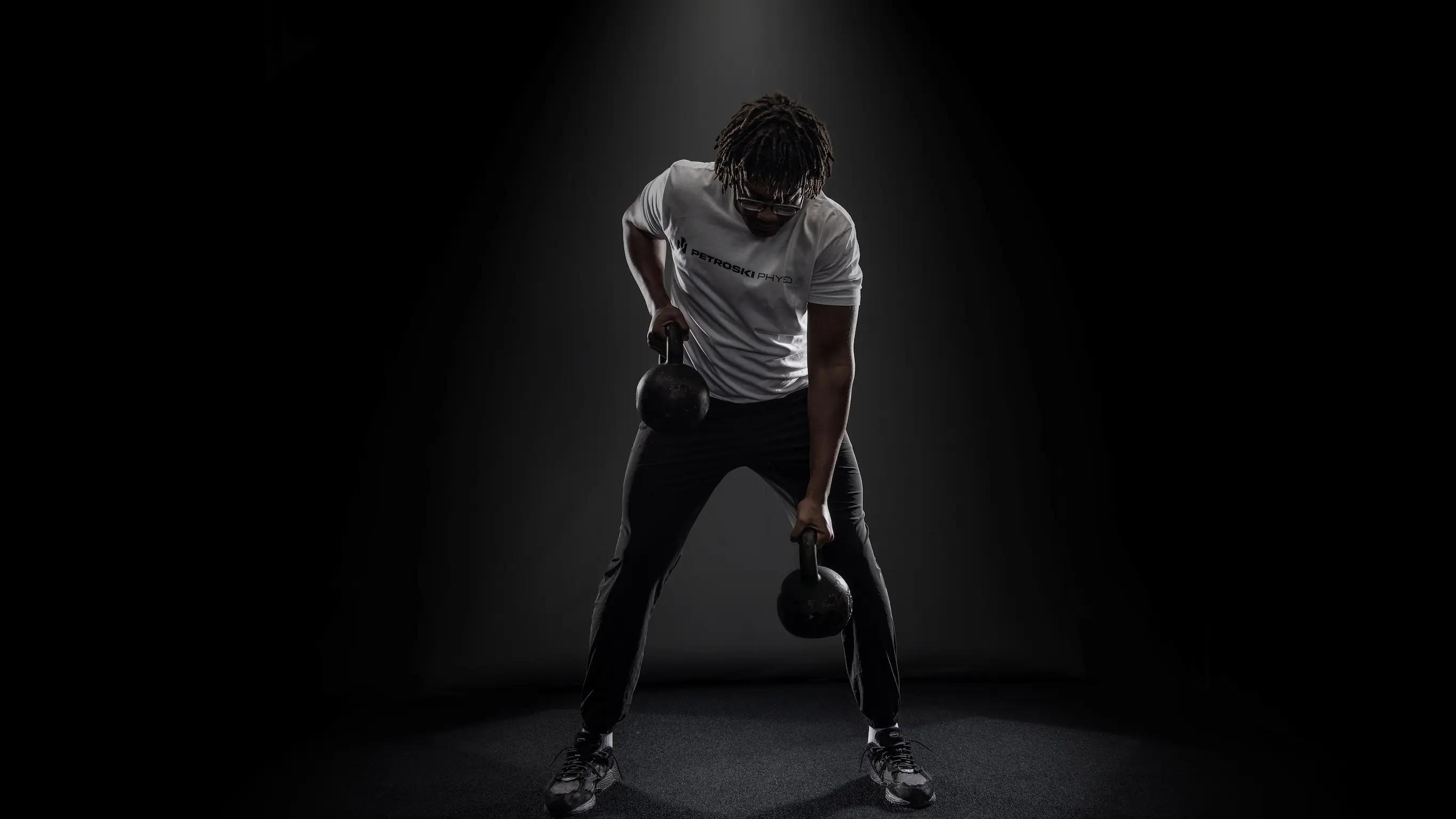
We guide you through every phase of recovery — from post-surgery rehab to performance training — so you don’t just return, you come back stronger.
Recovery Stories
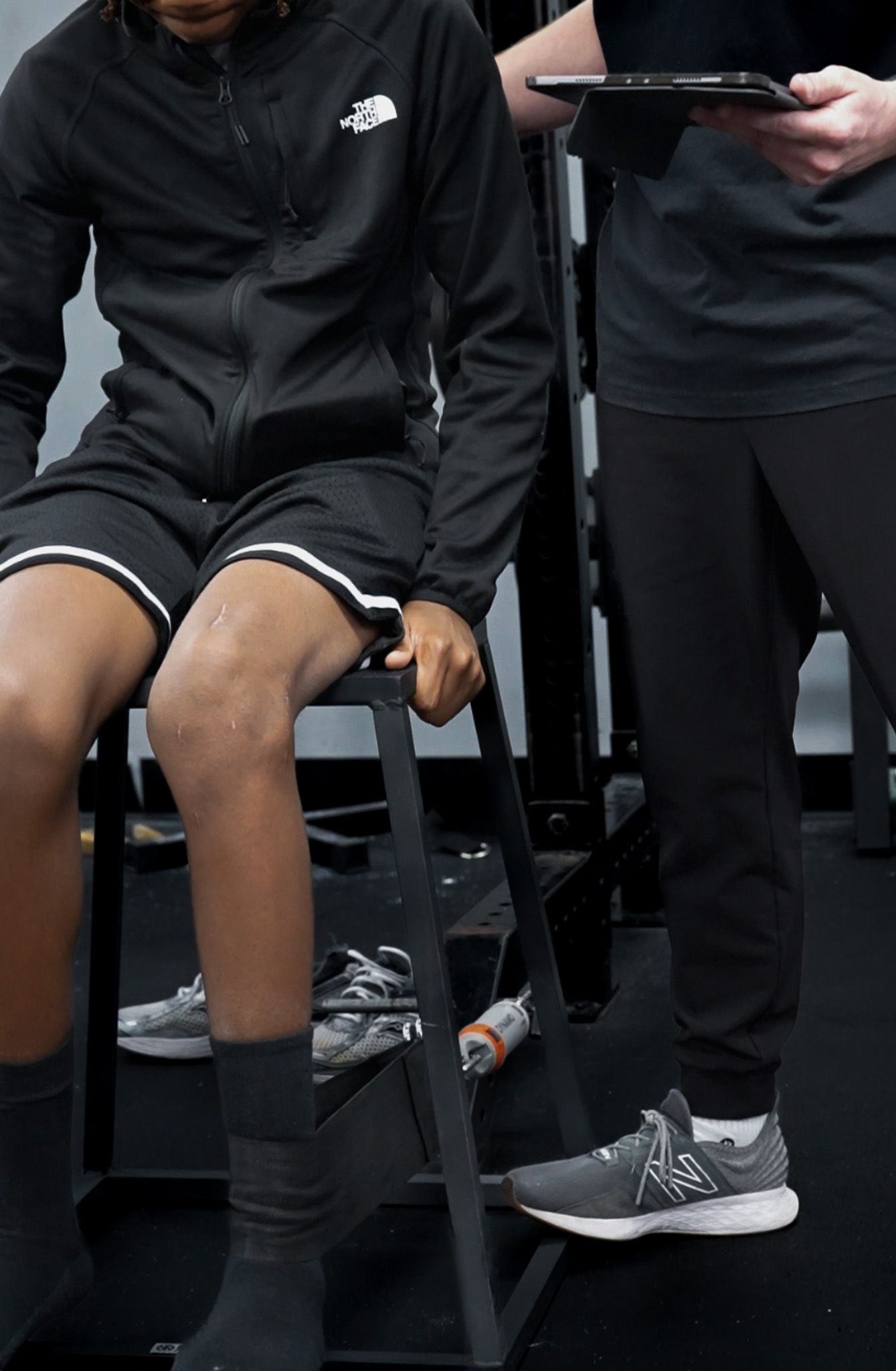
Chronic Patellar Tendinopathy: Restoring NBA-Level Knee Capacity
Rebuilding tendon capacity to restore performance from chronic knee pain.
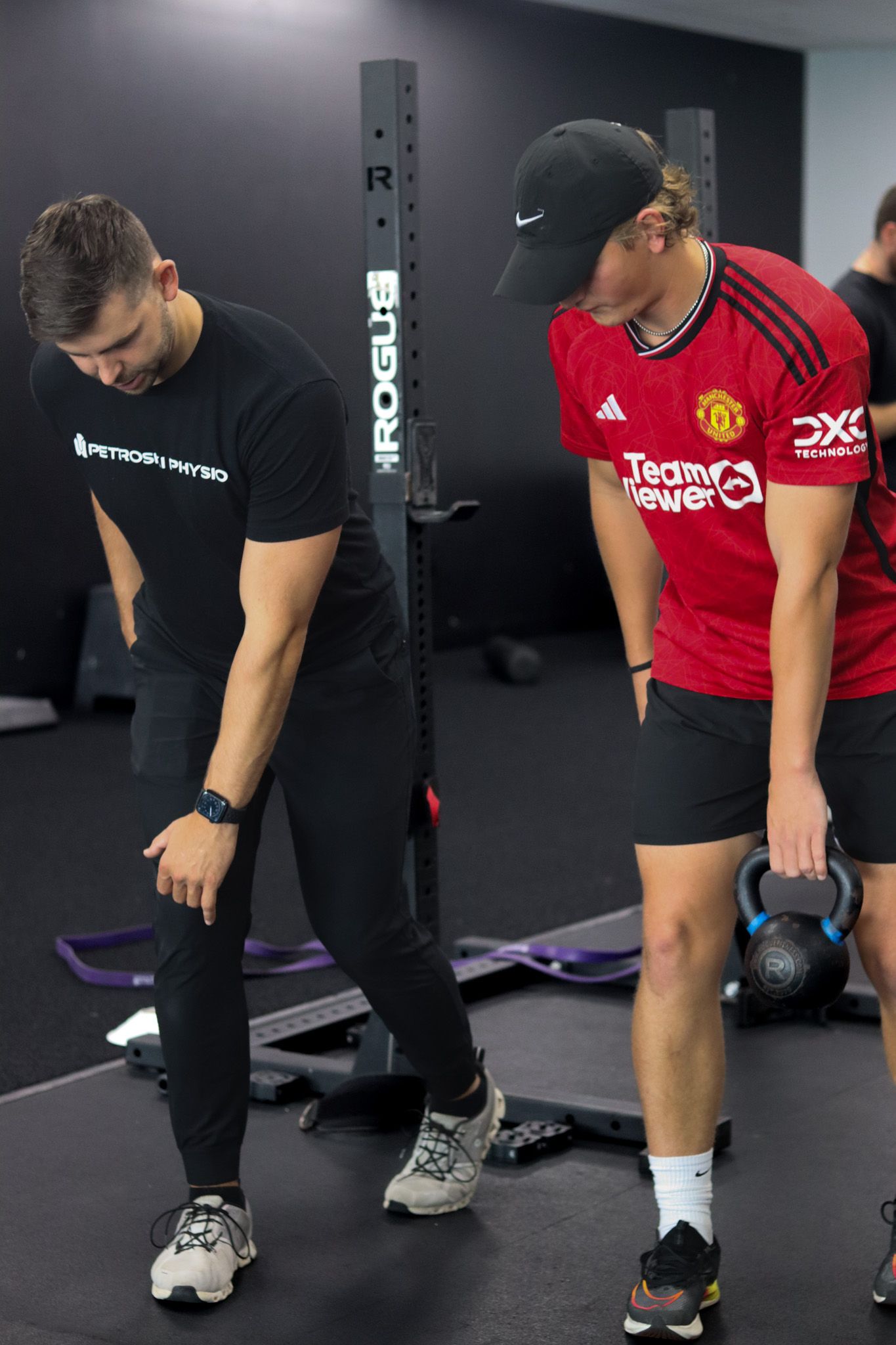
Patellar Tendinopathy: Returning for a Critical Senior Season
Stronger for recruitment after overcoming patellar tendon pain.
Chronic Patellar Tendinopathy: Restoring NBA-Level Knee Capacity
Rebuilding tendon capacity to restore performance from chronic knee pain.
Patellar Tendinopathy: Returning for a Critical Senior Season
Stronger for recruitment after overcoming patellar tendon pain.
Rehab, different.
Not a clinic. Not a gym.
A place built for progress.
A team built for performance.
A culture built for you.