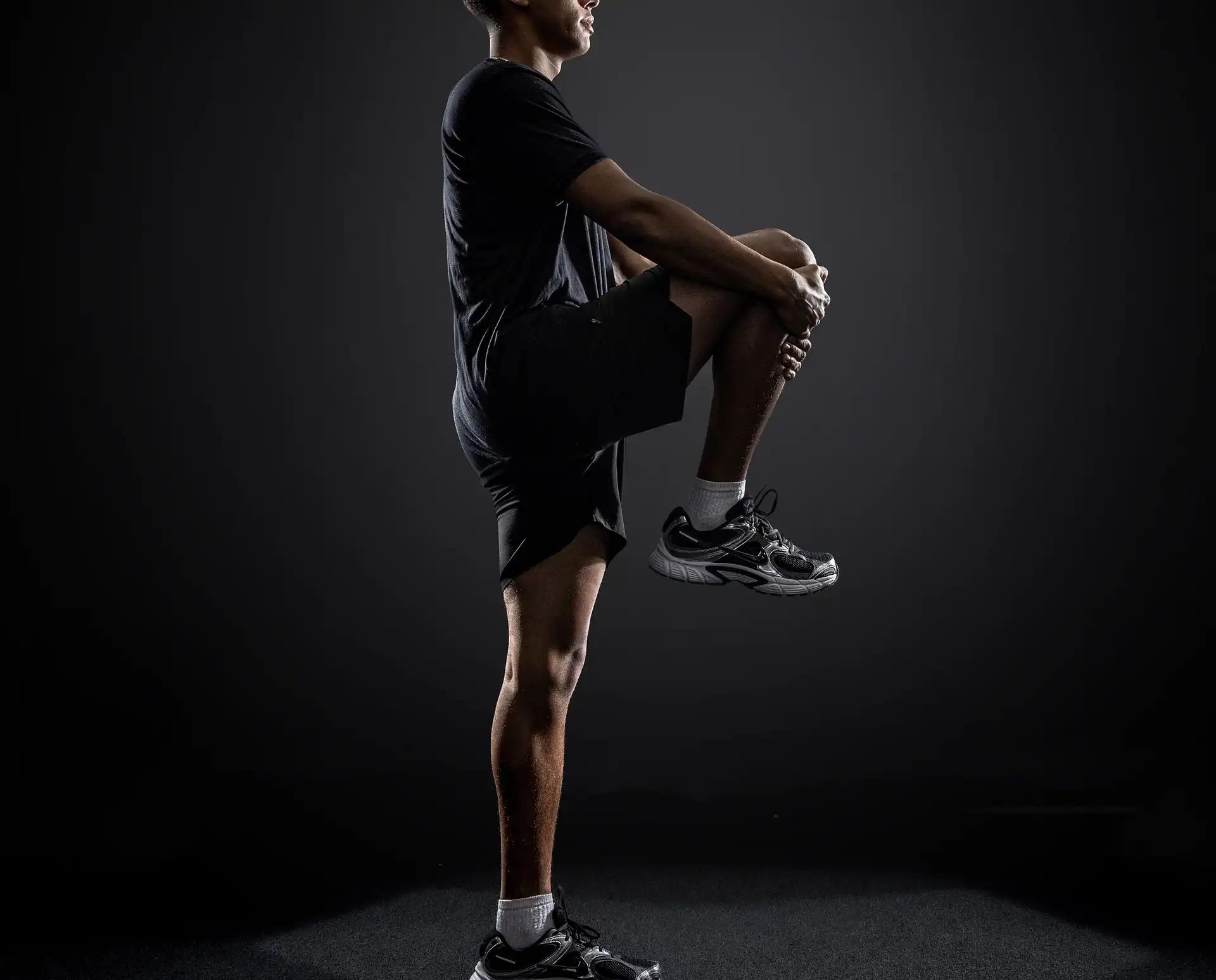
Adductor Injury: Returning Fully Ready for Fight Night
A UFC athlete overcame a hidden adductor injury to enter fight night fully prepared and pain-free.
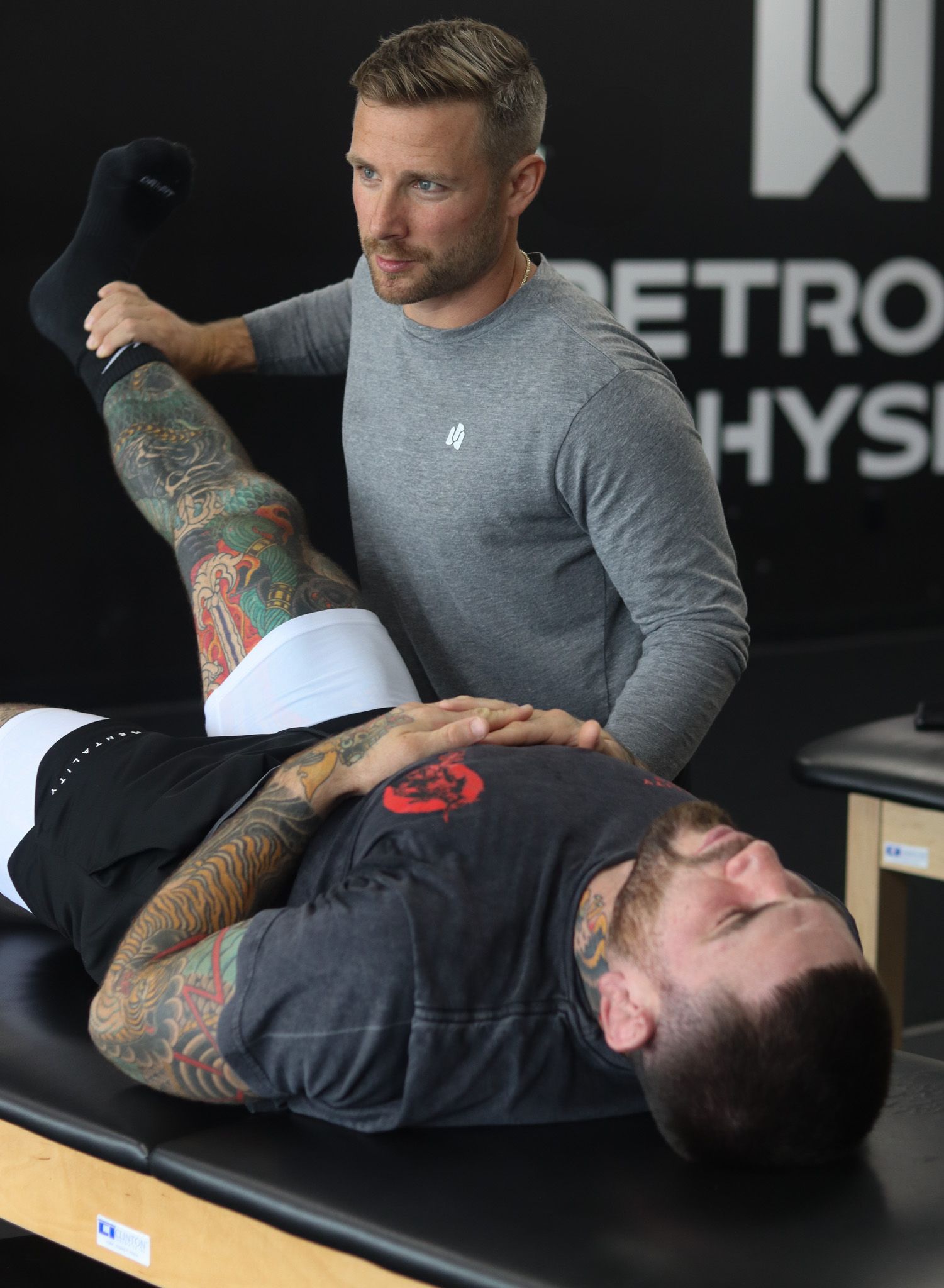
Nick Petroski, DPT, Petroski Physio
Meet the Athlete
Sean Brady is a world-class UFC welterweight whose game relies on relentless grappling pressure, explosive scrambles, rotational striking power, and positional strength under fatigue. His style requires full confidence in hip strength, adductor capacity, and the ability to change levels and generate power instantly.

Sean Brady
MMA Fighter
What was the challenge?
Heading into his training camp before facing Kelvin Gastelum, Sean was dealing with a lingering adductor injury, something the public never saw, but something that significantly impacted his preparation.
He struggled with:
Pain during explosive hip adduction
Limited power during scrambles
Sharp symptoms during rotational striking movements
Reduced ability to generate force off the inside leg
With a top-10 opponent scheduled and the clock ticking, this injury risked both performance and preparation.
What was our process?
We began with a precise fight-specific assessment to identify the source of symptoms, load tolerance, and required adaptations.
Step 1: Targeted Assessment
Sean completed:
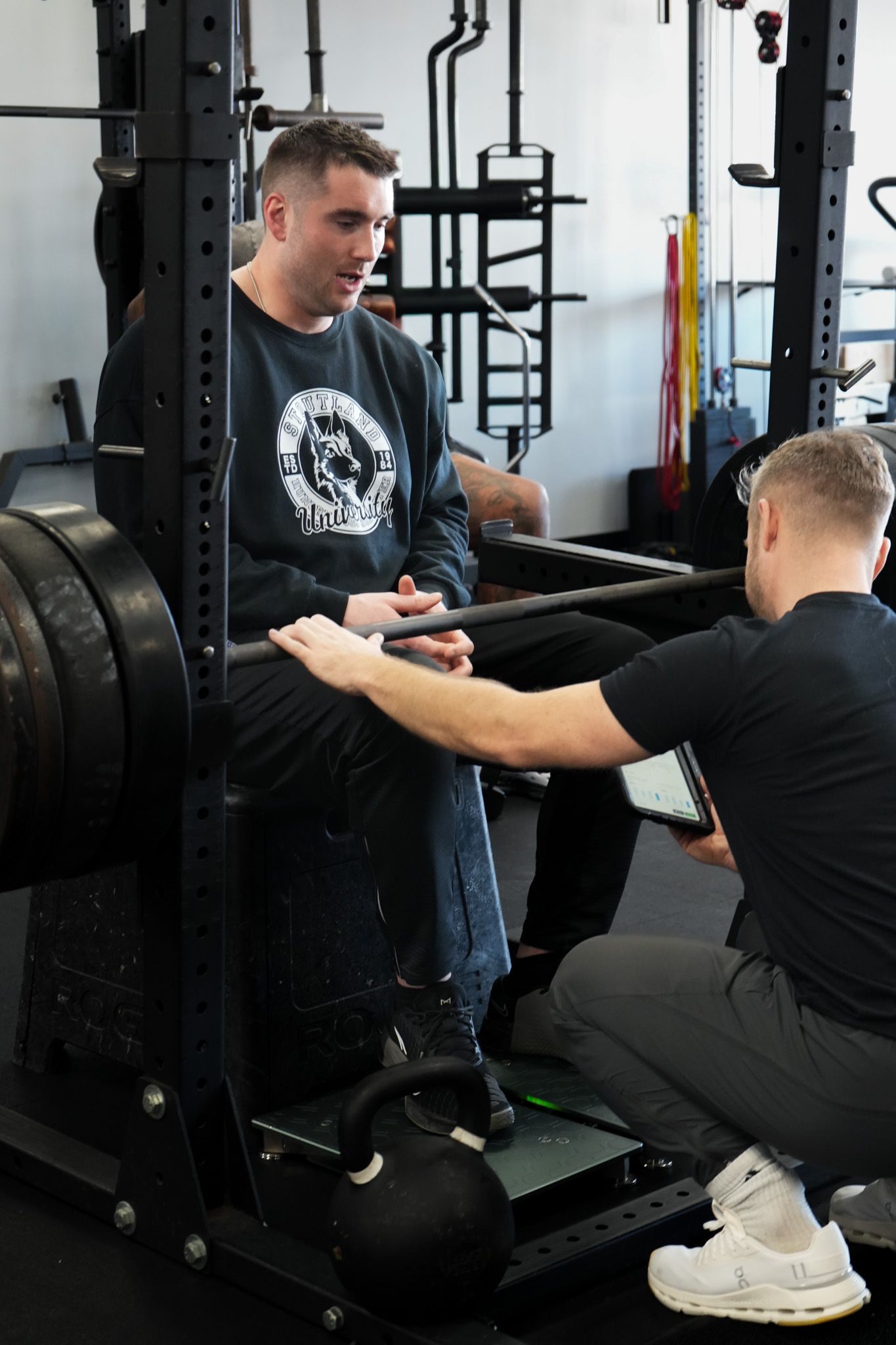
Adductor and abductor dynamometry To evaluate strength deficits, irritability, and asymmetry.
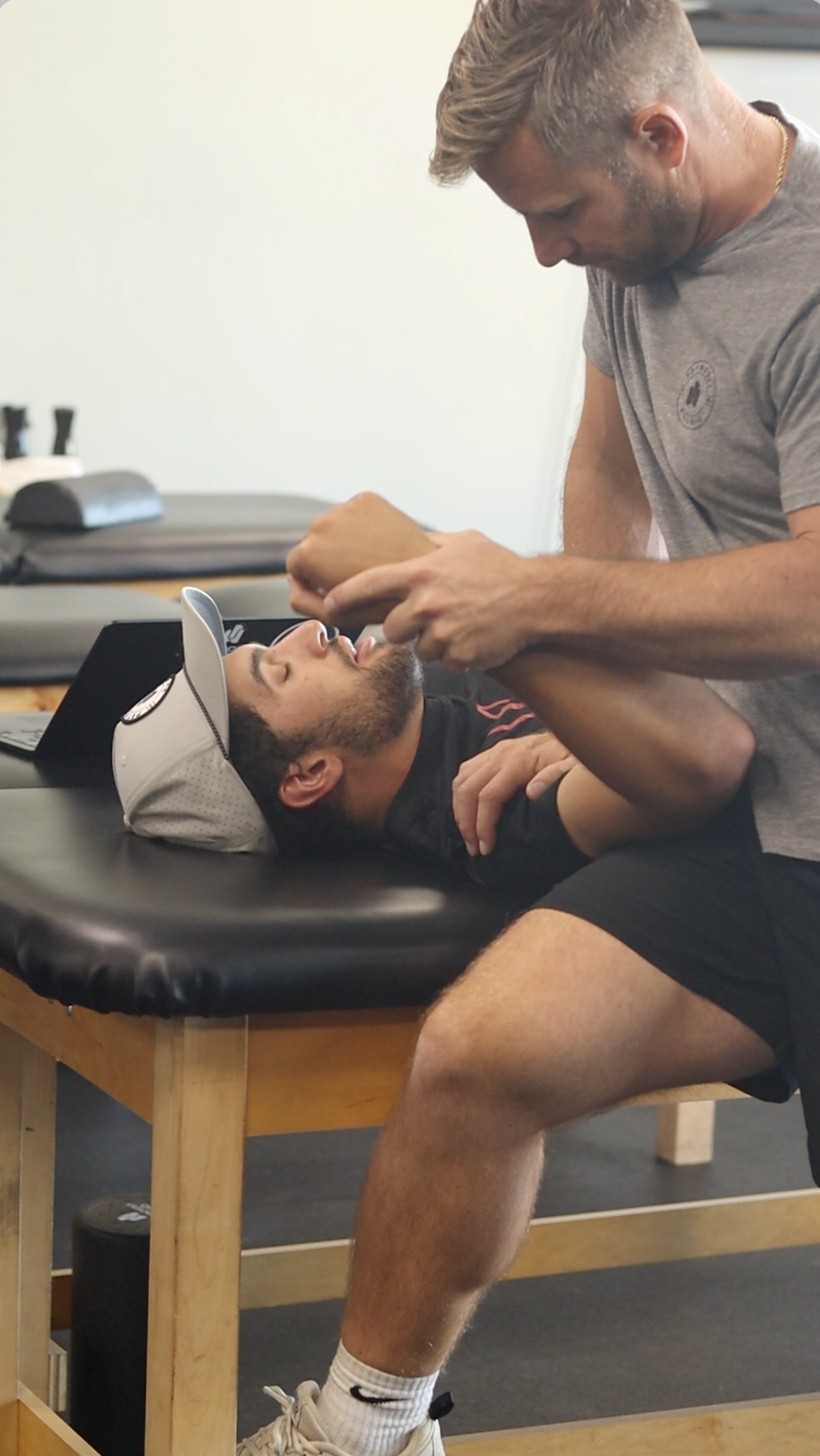
Hip IR/ER and abduction range of motion testing Since loss of motion is an early indicator of groin dysfunction.
Squeeze test variations (long-lever, bent-knee, unilateral) To determine pain thresholds and load positions.
Sport-specific movement screening Including cage pressures, sprawls, level-change mechanics, and striking pivots.
Trunk and foot-control assessment Since adductor pain often reflects upstream or downstream mechanical contributors.
Key findings included reduced long-lever adduction strength, mild IR loss, pain under explosive hip adduction, and compensatory patterns through trunk rotation and the lateral chain.
Step 2: Isometrics and Pain Modulation — While Keeping Him Training
Because fighters cannot simply stop training, early intervention focused on load tolerance without removing him from camp.
Programming included:
90/90 adductor isometric squeezes
Copenhagen Phase 1 holds
Supine band-resisted adduction
Long-lever supine bridge adduction
Lateral adductor band walks
Single-leg heel-elevated step-downs with resisted adduction
Goals for this phase were:
Reduce irritability
Restore symmetrical loading
Regain force output
Improve trunk control patterns
Within days, symptoms decreased, and he stayed in full training.
Step 3: Controlled Strength Loading
Once symptoms stabilized, we progressed to isotonic strengthening with exercises such as:
Glider adductor eccentrics
Cable-resisted single-leg adduction step-downs
Goblet landmine lateral lunge
Stationary velocity-controlled cable adduction
Lateral sled walks (1-1-1 tempo)
Rear-foot-elevated split-stance holds with adductor bias
During this phase, we also:
Reintroduced grappling mechanics under controlled load
Focused on deceleration capacity
Tested adductor/abductor strength weekly
Tracked hip range of motion post-session
This phase rebuilt capacity for producing and resisting force in fight-specific positions.
Step 4: Eccentrics → Reactive Loading → Fight-Speed Patterns
When strength and tolerance normalized, we progressed to reactive and explosive demands aligned with MMA.
Programming included:
Banded lateral bounds
Rotational and level-change med-ball work
Straight-leg bound progressions
Single-leg lateral hop variations
Strike-to-level-change and scramble-based drills
Simultaneously, training integrated:
Cage wall-walk progressions
Max-effort scramble exposures
Controlled time-based explosiveness
This stage rebuilt confidence in chaotic, unpredictable movement.
Step 5: Integration Into Full MMA Training
The final phase prepared Sean for the exact demands of a high-level UFC fight — not just practice.
This included:
Adductor-biased grappling sequences
High-output lateral and rotational load tolerance
Progressive conditioning under chaotic variables
Continued high-load gym training targeting strength and tendon resilience
Where is he now?
By fight week, Sean had:
Full adductor and abductor strength symmetry
Pain-free long-lever loading
Restored hip rotation and mobility
Complete confidence during scrambles, striking pivots, and grappling transitions
He entered the Octagon fully prepared, and delivered one of the most dominant performances of his career.
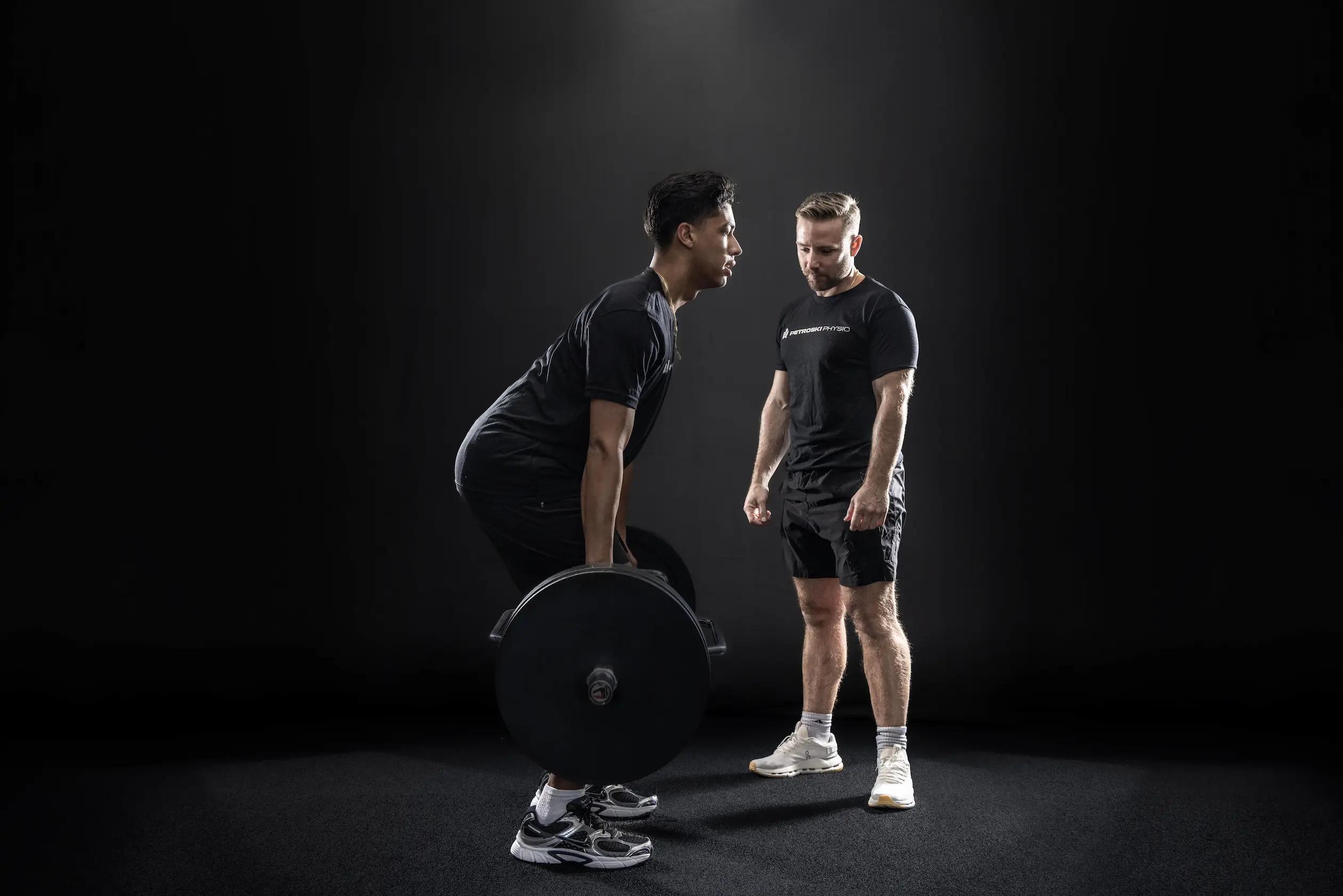
We create individualized recovery plans after injuries like ACL tears, shoulder surgeries, and muscle strains to help you safely return to sport and daily life.
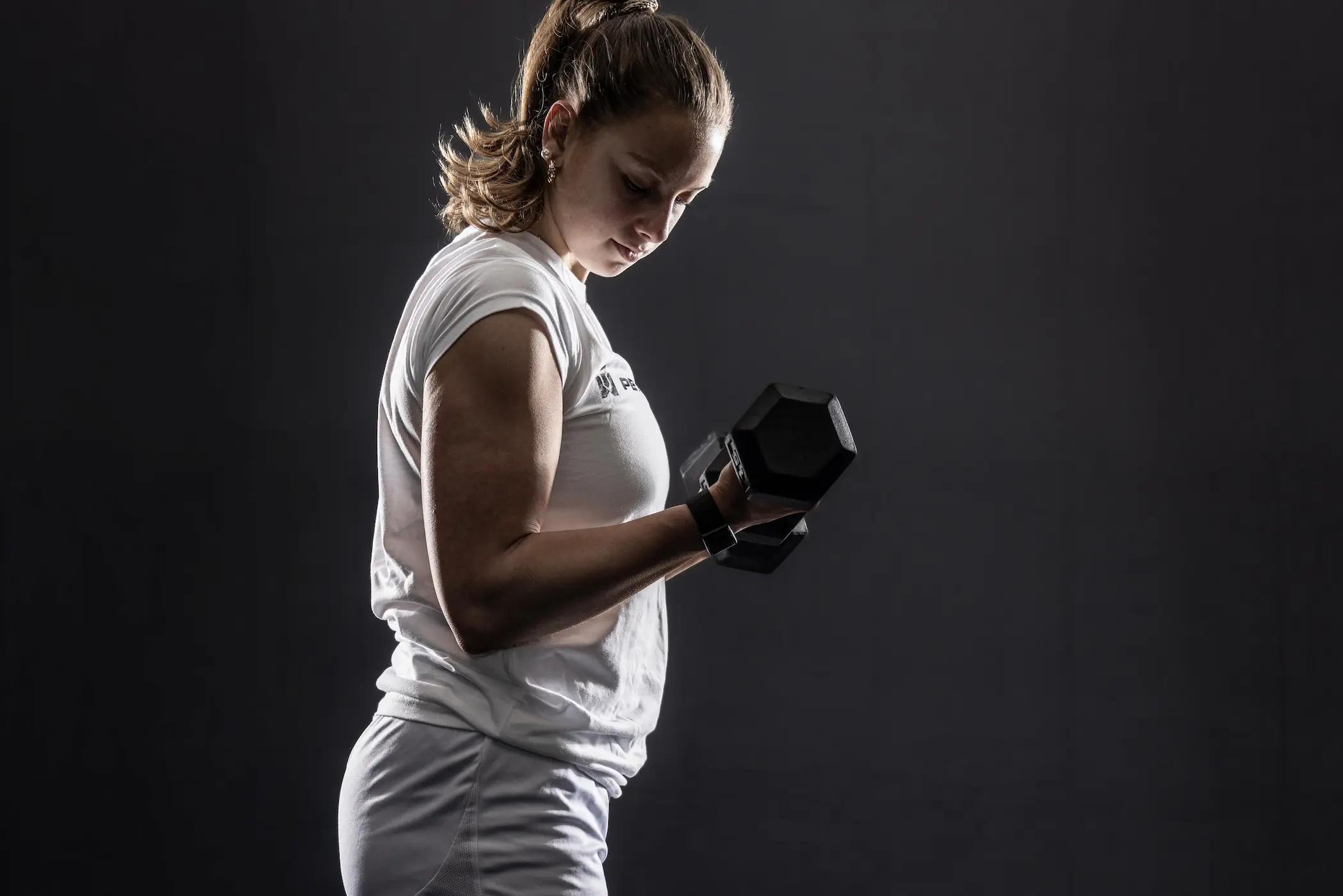
We help athletes rebuild strength and movement after common injuries like rotator cuff issues, tendinitis, and ligament sprains so you can perform with confidence again.
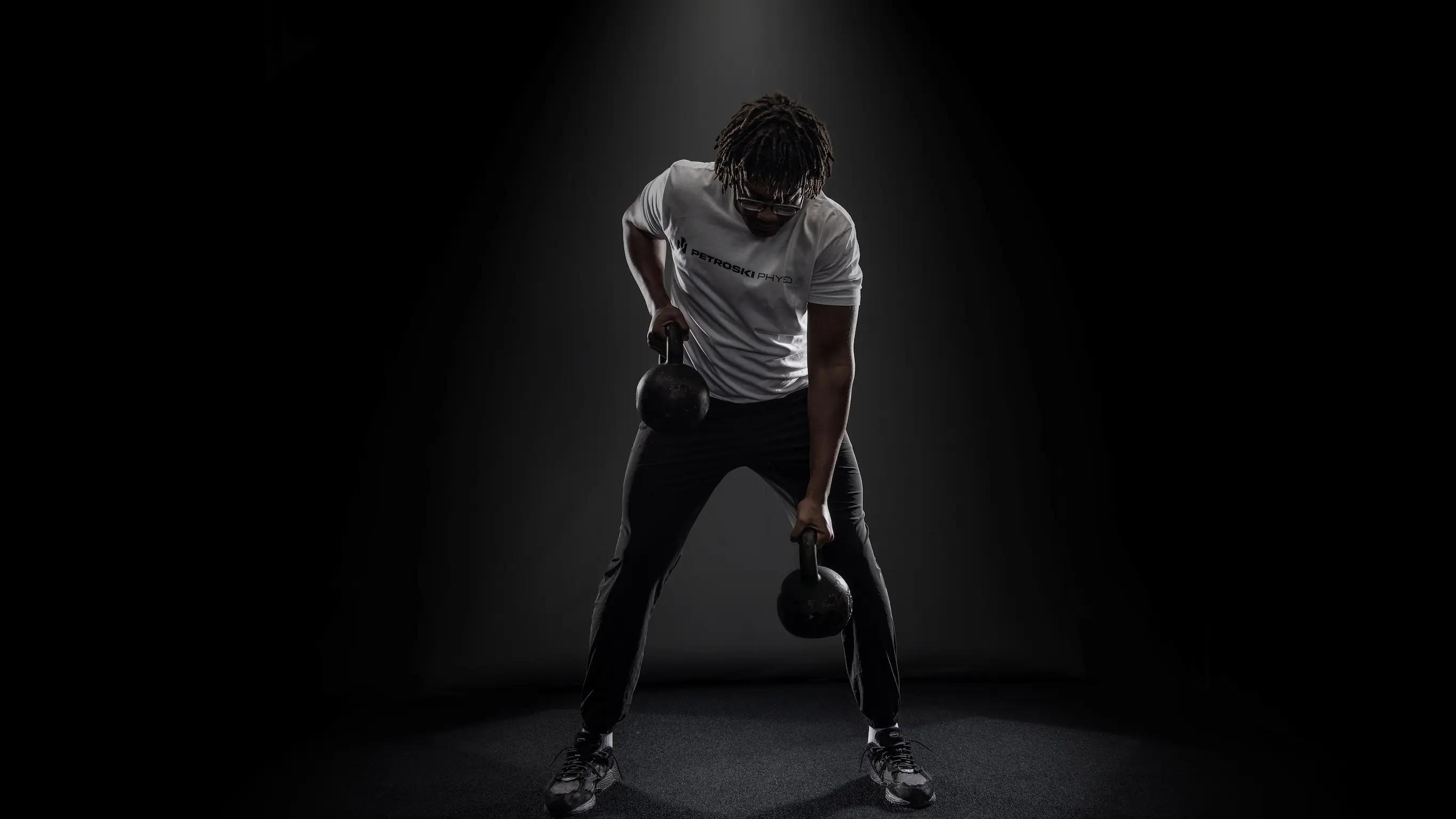
We guide you through every phase of recovery — from post-surgery rehab to performance training — so you don’t just return, you come back stronger.
Recovery Stories
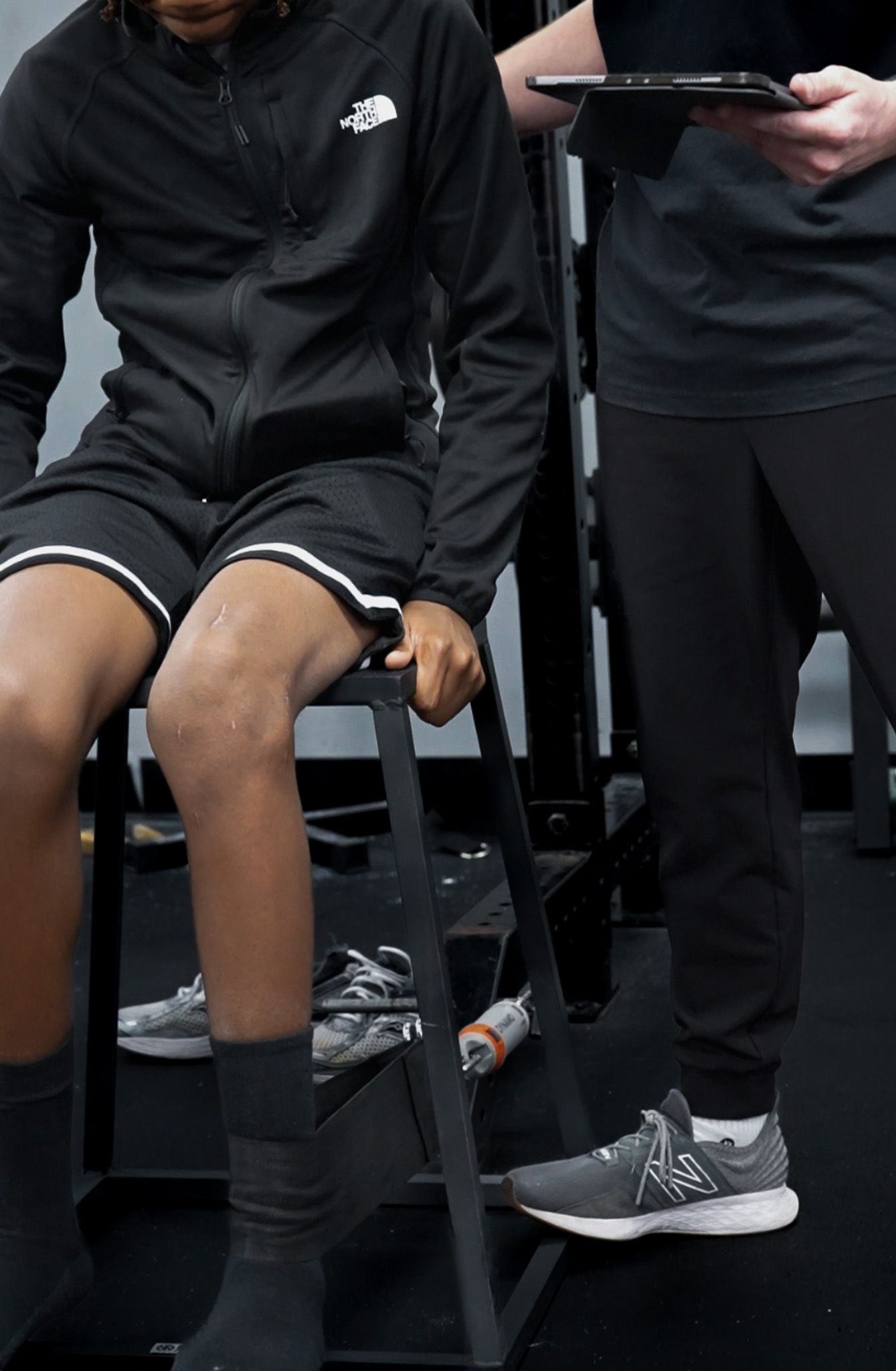
Chronic Patellar Tendinopathy: Restoring NBA-Level Knee Capacity
Rebuilding tendon capacity to restore performance from chronic knee pain.
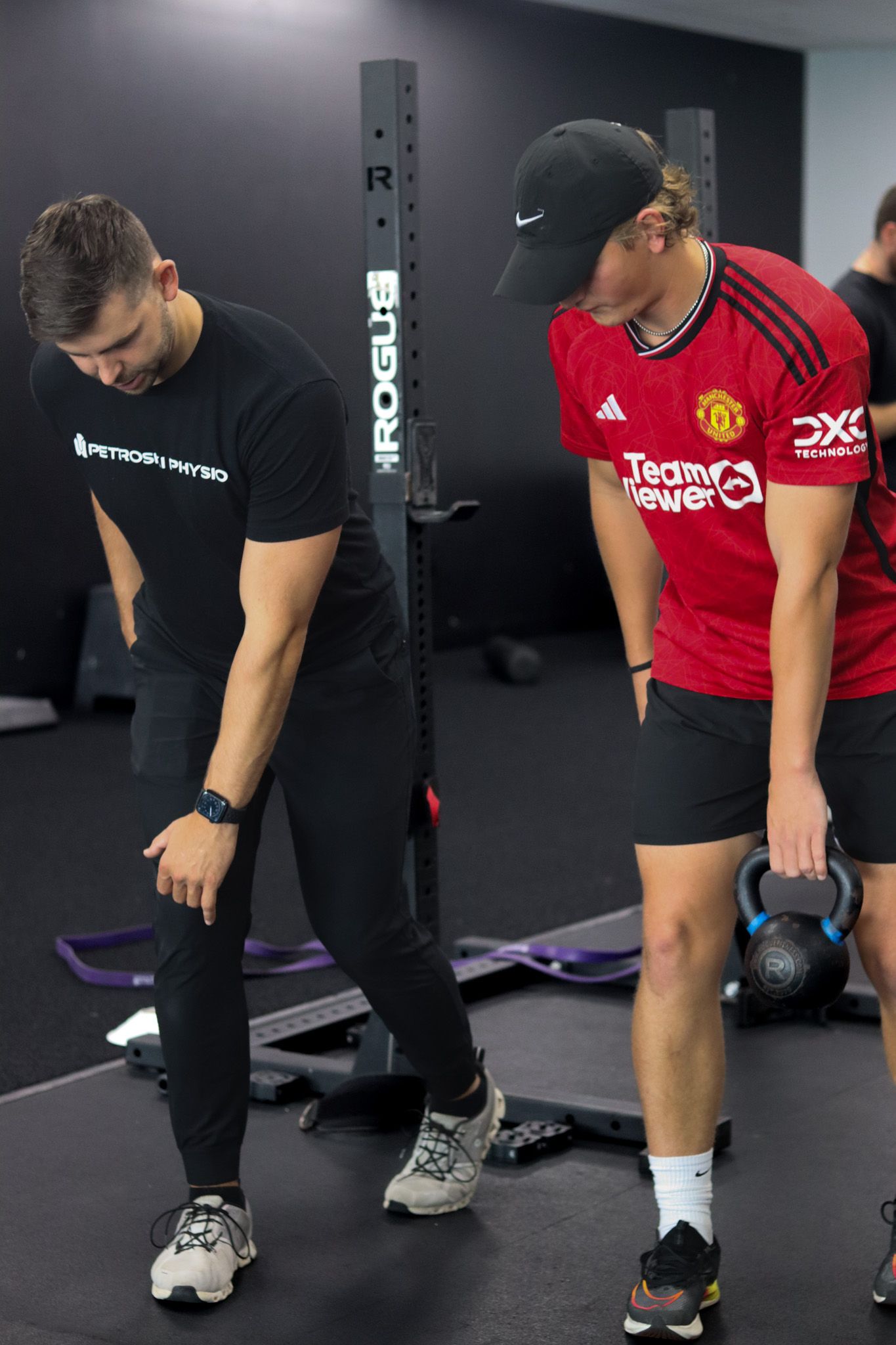
Patellar Tendinopathy: Returning for a Critical Senior Season
Stronger for recruitment after overcoming patellar tendon pain.
Chronic Patellar Tendinopathy: Restoring NBA-Level Knee Capacity
Rebuilding tendon capacity to restore performance from chronic knee pain.
Patellar Tendinopathy: Returning for a Critical Senior Season
Stronger for recruitment after overcoming patellar tendon pain.
Rehab, different.
Not a clinic. Not a gym.
A place built for progress.
A team built for performance.
A culture built for you.