Achilles Tendinopathy: A Marathon Runner’s Return to Full Training
Chronic Achilles pain threatened to derail training until objective assessment revealed reduced tissue capacity and force deficits. Through progressive loading and data-driven rehab, the athlete returned stronger, faster, and pain-free.
Nick Petroski, Owner, Petroski Physio
February 12, 2026
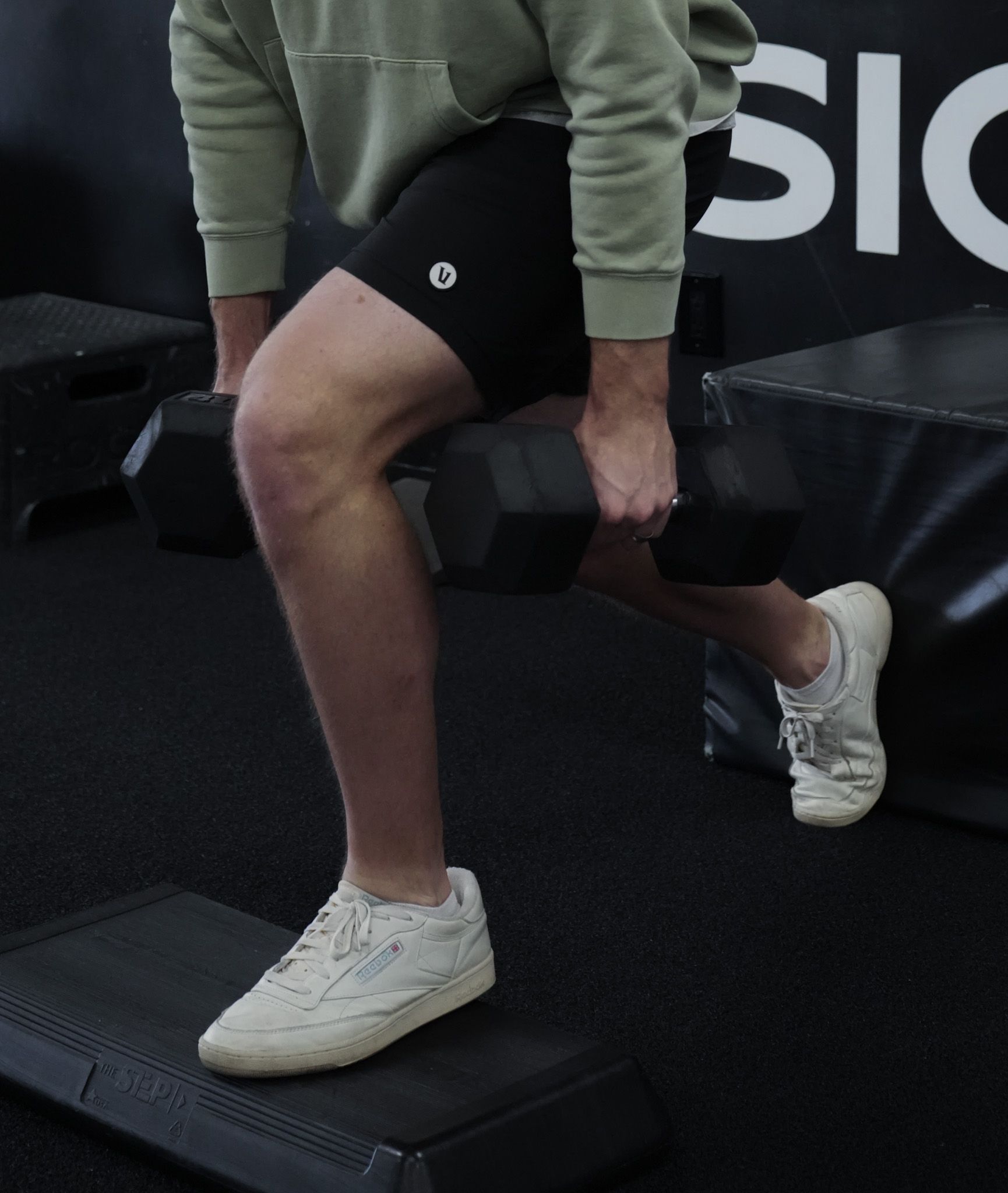
Meet the Athlete
Our athlete is a dedicated marathon runner whose training demands high levels of repetitive loading, elastic energy transfer, and sustained endurance. Running wasn’t just exercise — it was a core part of their identity, requiring consistent mileage, speed work, hill training, and efficient lower-body mechanics.
What was the challenge?
The injury began the way Achilles issues often do: subtle morning stiffness after longer runs and a dull ache that seemed to “warm up” after the first mile. At first, it was easy to ignore.
Over the following weeks, however, symptoms progressed quickly. The ache turned into sharp pain. Speed work became impossible, hills felt overwhelming, and even easy runs started to feel like a grind. The athlete faced the possibility of stepping away from training entirely.
After arriving at Petroski Physio, it became clear this wasn’t a case for rest alone. Achilles tendinopathy occurs when training load exceeds what the tendon can currently tolerate, reducing its ability to absorb and release force effectively.
They struggled with:
Progressive Achilles pain impacting running performance
Reduced tolerance to speed, hills, and sustained training volume
Morning stiffness and sensitivity with loading
Fear of losing fitness and momentum during training cycles
Rather than relying on generalized protocols, the athlete needed a structured, evidence-based approach focused on rebuilding tendon capacity and restoring performance.
What was our process?
We began with a comprehensive, objective assessment to understand both tissue health and performance limitations.
Step 1: Assessment and Planning
We completed:
Calf strength and force production testing using force plates
Running mechanics evaluation
Load tolerance assessment
Diagnostic ultrasound imaging of the Achilles tendon
This allowed us to identify key deficits, including suppressed strength, reduced sustained loading tolerance, and a tendon that could no longer keep up with training demands.
Step 2: Progressive Strength and Capacity Building
The solution wasn’t rest — it was rebuilding capacity.
Rehab focused on:
Heavy isometric loading to reduce pain and restore neuromuscular function
Heavy slow resistance training to promote tendon remodeling
Controlled tempo calf strengthening with objective progression markers
Strategic load management to prevent symptom flare-ups
Each phase was guided by measurable data to ensure safe progression.
Step 3: Data-Driven Return-to-Running
As strength and tolerance improved, rehab transitioned toward performance:
Plyometric drills and elastic rebound training
Running-specific movement progressions
Strategic monitoring of training volume and next-day symptoms
Ongoing force output tracking to guide progression
This approach retrained the Achilles tendon to tolerate speed, impact, and real-world running demands — not just controlled exercises.
Where is he now?
By the end of the process, calf strength exceeded pre-injury levels, force plate symmetry was restored, and both pain and morning stiffness were eliminated.
The athlete returned to full training, including speed work, hills, and race preparation, feeling stronger and more confident than before the injury began.
Achilles tendinopathy isn’t simply about “doing too much” — it’s about capacity not matching demand. By rebuilding strength, elasticity, and load tolerance in a structured progression, the athlete returned to running without uncertainty, prepared for the demands ahead.
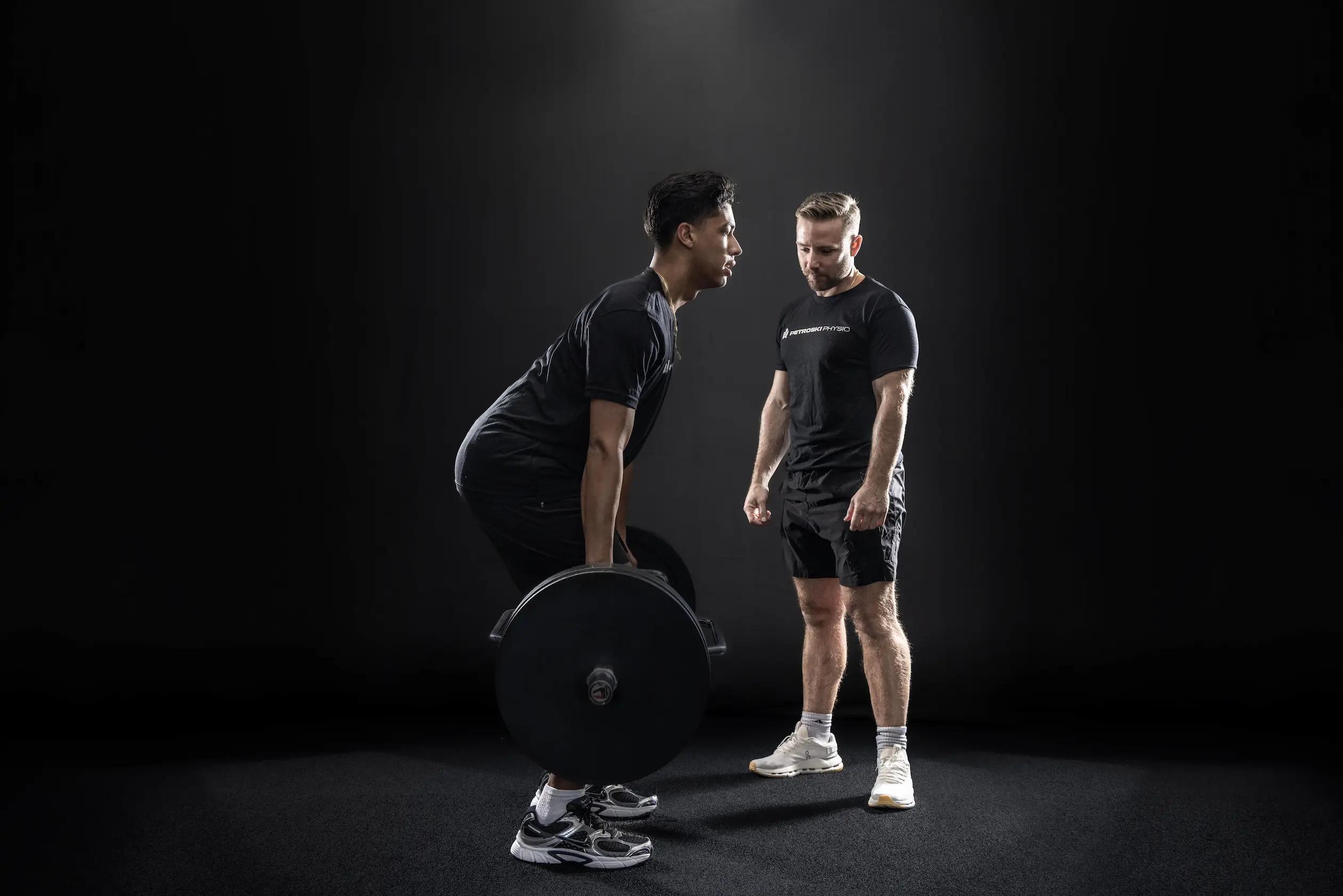
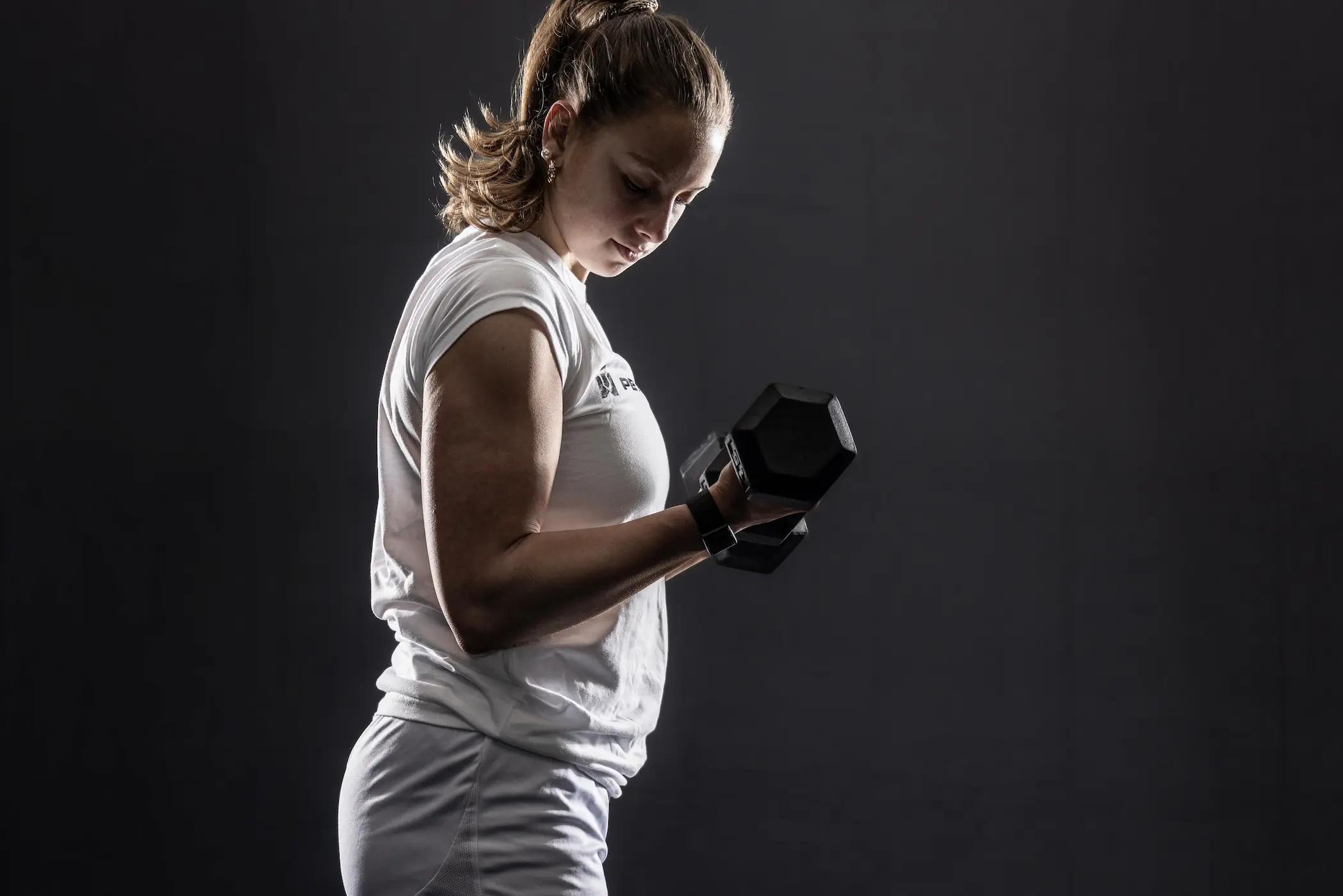

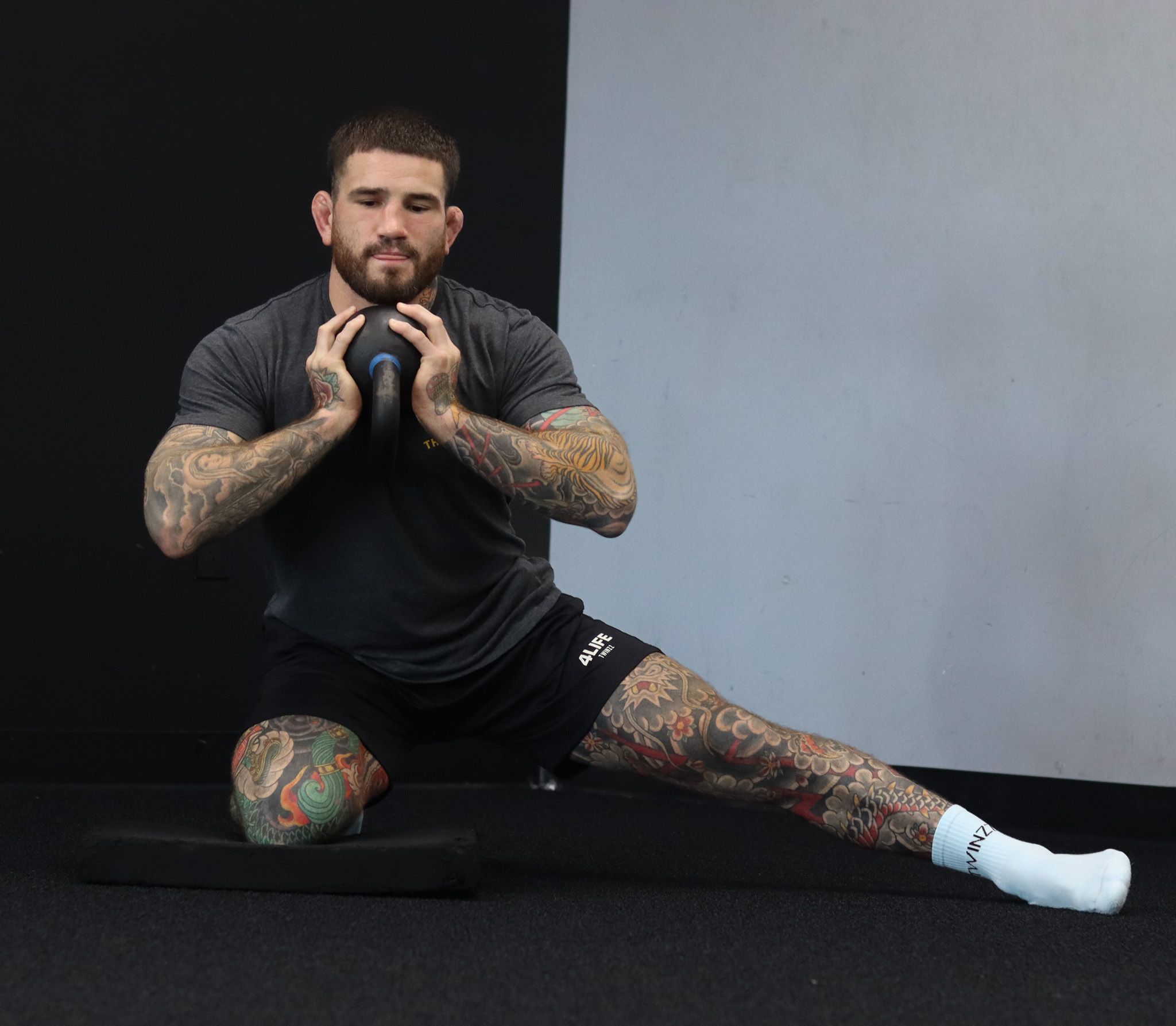
Adductor Injury: Returning Fully Ready for Fight Night
From hidden adductor injury to fight-night ready.
Patellar Tendinopathy: Returning for a Critical Senior Season
Stronger for recruitment after overcoming patellar tendon pain.
Adductor Injury: Returning Fully Ready for Fight Night
From hidden adductor injury to fight-night ready.
Patellar Tendinopathy: Returning for a Critical Senior Season
Stronger for recruitment after overcoming patellar tendon pain.