Shoulder recovery isn’t linear, and labrum rehab shouldn’t be either
Labrum surgery can feel deceptively straightforward. The incision is small, the joint often feels stable early on, and progress can seem fast, until it isn’t. For many athletes, setbacks happen not because they’re doing too much, but because they’re doing the wrong things at the wrong time. At Petroski Physio, labrum rehabilitation is built around understanding how the shoulder actually works. We focus on restoring stability, coordination, and trust through the entire shoulder complex, not just chasing strength or range of motion.
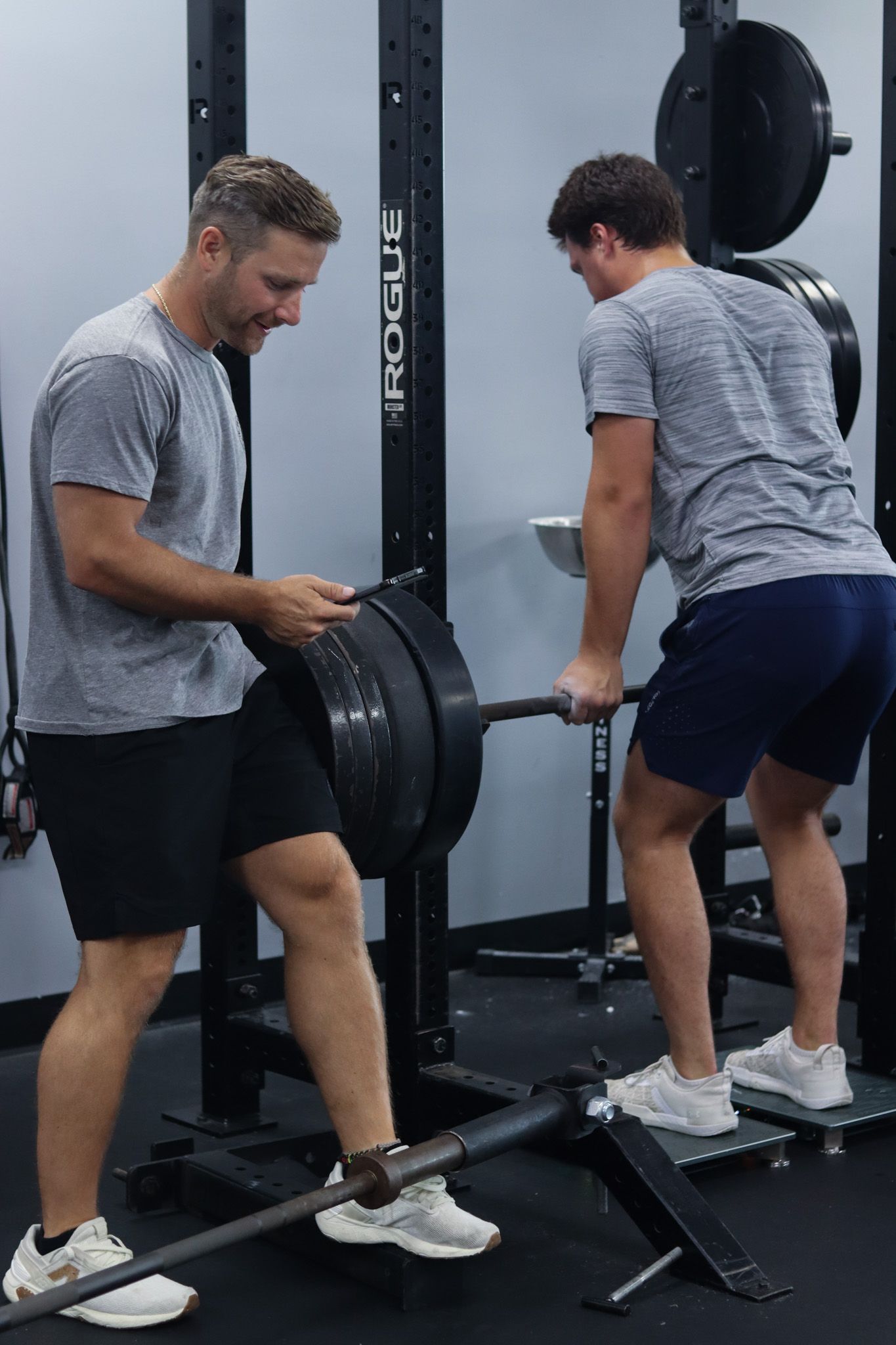
Nick Petroski, DPT
Petroski Physio
The Real First Step: Restoring Stability Without Stiffness
After labrum surgery, the shoulder often feels fragile, or oddly fine, depending on the day. Both can be misleading. Too much protection can lead to stiffness and poor movement patterns, while too much freedom can overload healing tissue.
The early phase of rehab is about finding the balance: restoring controlled motion while maintaining the stability your shoulder needs to function long term.
This phase isn’t about aggressive stretching or strengthening. It’s about teaching the shoulder how to move well again.
Common Pitfall #1
Chasing range of motion too aggressively. Forcing motion early can compromise stability and create irritation that lingers into later phases.
Common Pitfall #2
Strengthening without control. Building strength before restoring proper scapular and rotator cuff coordination often leads to pain and plateaus.
Our Approach
Labrum rehab is highly individualized. The demands on a swimmer, baseball player, weightlifter, or contact athlete are different, and your rehab should reflect that.
Phase 1: Controlled motion and positional awareness
We focus on restoring safe shoulder motion, improving scapular control, and reestablishing awareness of joint position, all while protecting the repair.
Phase 2: Strength with stability
Strength is layered in gradually, emphasizing rotator cuff endurance, scapular coordination, and trunk involvement to support shoulder function under load.
Phase 3: Return to sport-specific demand
Overhead movements, contact, and high-speed actions are reintroduced progressively. Decisions are guided by movement quality, load tolerance, and confidence, not just how strong the shoulder feels.
"Love this place because they want to see you be successful. If you are an injured athlete the only thing you want to do is get back out there and compete. They make that happen!"
FAQs
Rehab, different.
Not a clinic. Not a gym.
A place built for progress.
A team built for performance.
A culture built for you.
Recovery Stories
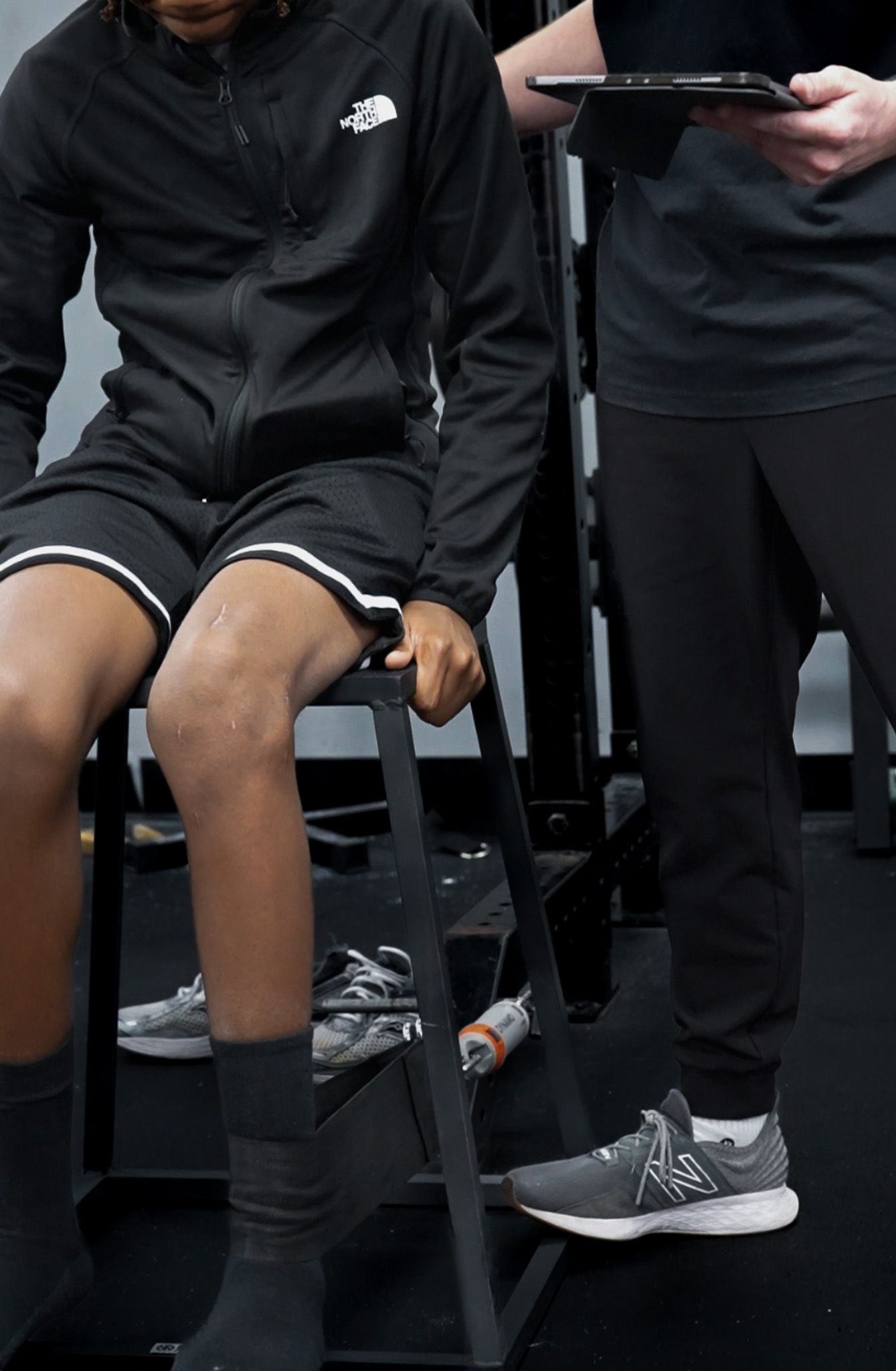
Chronic Patellar Tendinopathy: Restoring NBA-Level Knee Capacity
Rebuilding tendon capacity to restore performance from chronic knee pain.
Patellar Tendinopathy: Returning for a Critical Senior Season
Stronger for recruitment after overcoming patellar tendon pain.
Chronic Patellar Tendinopathy: Restoring NBA-Level Knee Capacity
Rebuilding tendon capacity to restore performance from chronic knee pain.
Patellar Tendinopathy: Returning for a Critical Senior Season
Stronger for recruitment after overcoming patellar tendon pain.